
Introduction
Many organizations invest time and resources into corporate social responsibility (CSR) programs with the hope of creating a positive impact in their communities. They partner with nonprofits, organize volunteer opportunities, and support charitable causes that align with their company values. Yet despite these efforts, one common challenge continues to limit the success of many CSR initiatives: low employee participation.
Employee participation can play an important role in the success of a CSR strategy. Employees who understand and believe in a company's purpose may be more likely to volunteer, participate in community initiatives, and become advocates for the organization's mission. When employees feel disconnected from a CSR program, even well-funded initiatives may struggle to achieve meaningful results.
Employee buy-in doesn't happen because leadership announces a new initiative or sends an email encouraging participation. It develops when employees understand why the program matters, how it aligns with the company's values, and how their individual contributions make a real difference. Organizations that successfully create this connection often see stronger employee engagement, improved collaboration, and a workplace culture built around shared purpose.
Creating that level of engagement requires more than good intentions. It requires a strategy that puts employees at the center of the experience. This guide explores why employee buy-in matters, why some CSR programs struggle to gain participation, and practical ways to build lasting engagement through meaningful community involvement.
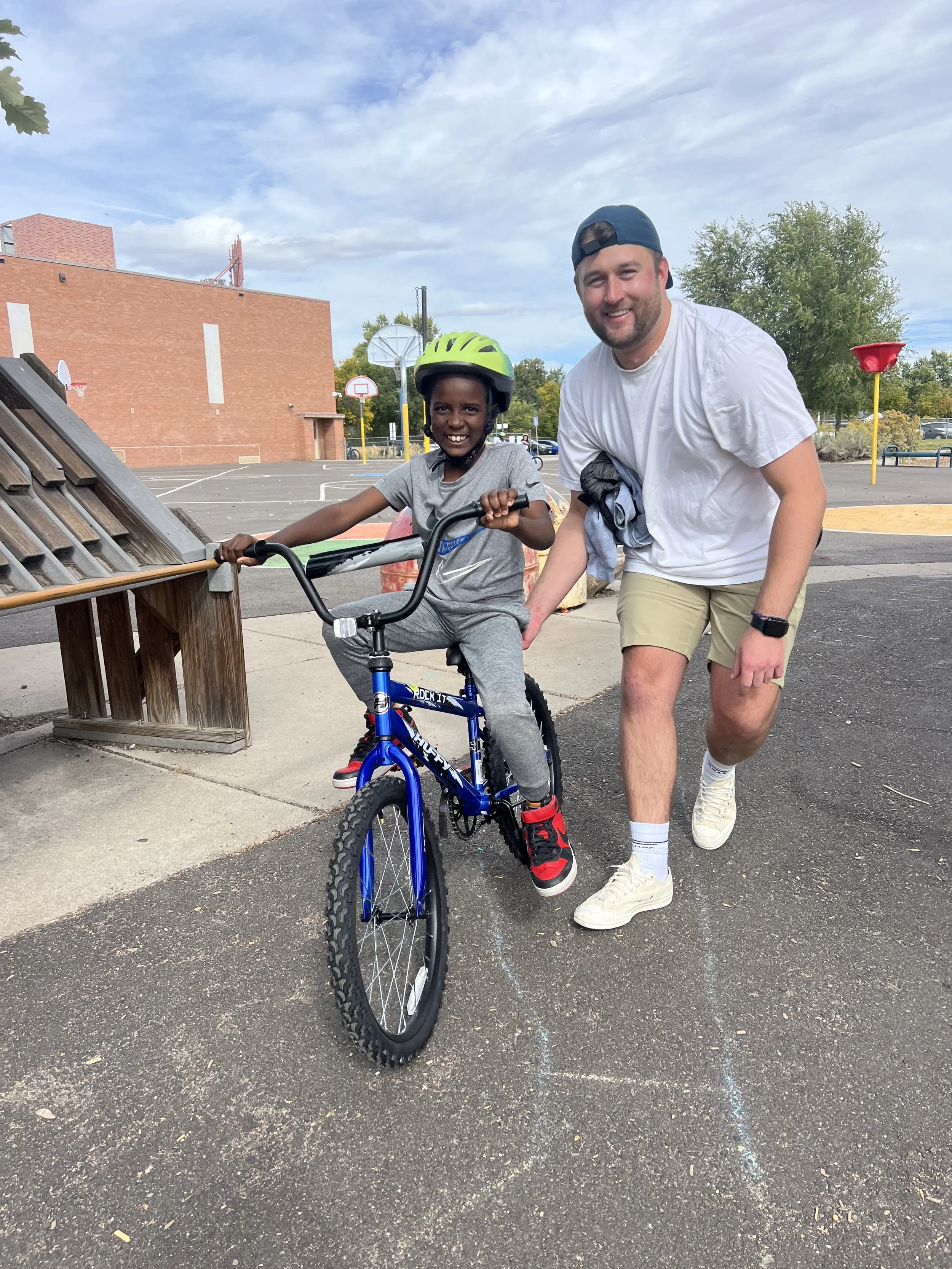
Why Employee Buy-In Is the Foundation of Every Successful CSR Strategy
A company can have ambitious CSR goals, generous charitable contributions, and strong partnerships with nonprofit organizations. However, if employees are not actively involved, those efforts often fail to reach their full potential.
Successful CSR programs are built around participation rather than publicity.
When employees believe in the purpose behind an initiative, they become active contributors rather than passive observers. They volunteer their time, encourage coworkers to participate, and help create a workplace culture where community involvement becomes part of everyday business rather than an occasional event.
Employee participation also increases authenticity.
Customers, partners, and local communities recognize when employees genuinely support the causes their company promotes. That authenticity builds trust because people see that community involvement is more than a marketing message. It becomes part of the organization's identity.
Purpose-driven participation also strengthens internal culture.
When employees work together on volunteer projects or community initiatives, they build stronger relationships outside their normal responsibilities. These shared experiences encourage communication, collaboration, and trust while reinforcing the organization's values through action.
Organizations looking to strengthen workplace culture through community involvement can also explore employee engagement and CSR, which explains why purpose-driven initiatives consistently improve employee engagement while supporting long-term business objectives.
Why Many CSR Strategies Struggle to Gain Employee Participation
Many organizations assume that announcing a volunteer opportunity or community initiative is enough to encourage participation.
Unfortunately, employee engagement rarely works that way.
Low participation is often not a sign that employees don't care about giving back. Instead, it usually indicates that the program has not been designed with employee motivation and experience in mind.
Understanding these challenges is the first step toward building a CSR strategy employees genuinely want to support.
Employees Don't Understand the Purpose
One of the most common reasons CSR programs struggle is that employees don't fully understand why the initiative exists.
If communication focuses only on the event itself rather than its broader purpose, employees may see participation as optional or unrelated to the organization's mission.
People are far more likely to become involved when they understand who benefits from the initiative and how their individual contributions make a meaningful difference.
Participation Feels Like Another Work Task
Employees already balance meetings, deadlines, projects, and personal responsibilities.
If a CSR initiative feels like another obligation added to an already busy schedule, participation naturally declines.
Successful organizations create experiences that employees genuinely enjoy rather than activities they feel required to attend.
Purpose-driven volunteer events often succeed because they combine meaningful community impact with engaging team-building experiences.
Employees Were Never Asked for Their Input
Many CSR programs are designed entirely by leadership without involving employees in the planning process.
While leadership plays an important role in setting the vision, employees are more likely to participate when they have an opportunity to share ideas, recommend causes, and help shape future initiatives.
Inviting employee feedback creates a stronger sense of ownership and increases long-term participation.
The Impact Isn't Visible
Employees want to know their efforts matter.
If they never see the results of a volunteer event or charitable initiative, it becomes difficult to feel connected to the program.
Organizations that share success stories, community outcomes, and measurable impact help employees understand the value of their contributions.
Purpose-driven initiatives naturally create these moments because employees can see the direct results of their work.
For example, organizations participating in Bike Build & Give experiences often witness the bicycles they assembled being prepared for donation, creating a powerful reminder that their teamwork directly benefits local children. As highlighted in Building Bikes for Kids: How Corporate teams give back to Communities, seeing tangible outcomes creates lasting emotional connections that encourage continued participation.
Offering the Same Activity Every Year
Even successful CSR initiatives can lose momentum if employees are asked to participate in the same type of event year after year. Introducing a variety such as rotating between volunteer projects, nonprofit partnerships, Bike Build & Give experiences, donation drives, or community outreach initiatives keeps participation fresh while allowing employees to support different causes over time.

The Business Benefits of Strong Employee Buy-In
Gallup's State of the Global Workplace: 2025 Report found that only 21% of employees worldwide are engaged at work, while disengagement costs the global economy an estimated US $438 billion in lost productivity each year. Organizations that earn employee buy-in for initiatives such as CSR are better positioned to strengthen engagement, collaboration, and long-term business performance.
Organizations that successfully engage employees in CSR initiatives often experience improvements across multiple areas of the business, from workplace culture to employee retention.
Higher Employee Engagement
Employees who participate in meaningful community initiatives often feel a stronger connection to their organization.
Instead of viewing work as simply completing daily responsibilities, they become part of a company that actively contributes to something larger than itself. This sense of purpose frequently leads to greater motivation, stronger commitment, and higher overall engagement.
Better Collaboration Across Teams
Volunteer activities create opportunities for employees from different departments to work together outside their normal responsibilities.
These shared experiences encourage communication, build trust, and strengthen professional relationships that continue after employees return to the workplace.
Organizations that have embraced Build Bikes for Charity have found that purpose-driven volunteer experiences naturally strengthen teamwork while creating measurable community impact.
Stronger Company Culture
Culture is built through shared experiences.
When employees participate together in meaningful CSR initiatives, they reinforce company values through action rather than words. These experiences help create a workplace where collaboration, service, and community involvement become part of the organization's identity.
Improved Employee Retention
Employees are more likely to remain with organizations where they feel connected to both their colleagues and the company's mission.
Purpose-driven CSR initiatives help create that connection by giving employees opportunities to contribute, collaborate, and make a positive difference together.
How to Build Employee Buy-In for Your CSR Strategy
Once employees understand why corporate social responsibility matters, the next challenge is turning awareness into action.
Successful organizations don't rely on occasional reminders or company-wide emails to encourage participation. Instead, they create an environment where employees feel personally connected to the organization's mission and are motivated to contribute because they genuinely want to, not because they feel obligated.
Building employee buy-in is an ongoing process that begins with communication and grows through meaningful experiences.
Communicate the "Why" Before the "What."
Employees may be more likely to support a CSR initiative when they understand its purpose.
Instead of starting with event logistics or volunteer sign-up forms, explain why the initiative matters. Share the community needs your organization hopes to address, the impact employees can help create, and how the program reflects your company's values.
People naturally connect with purpose before the process.
When employees understand that their efforts will directly improve someone's life or strengthen their local community, participation becomes much more meaningful than simply attending another company event.
Organizations that successfully connect purpose with participation often create stronger long-term engagement because employees see how their contributions fit into a larger mission.
Give Employees a Voice in the Process
One of the fastest ways to increase participation is to involve employees before launching the program.
Rather than deciding every initiative at the leadership level, ask employees which causes they care about most and what types of volunteer opportunities they would enjoy participating in.
Simple employee surveys, focus groups, or team discussions can provide valuable insight while helping employees feel their opinions are valued.
When people help shape a CSR program, they are much more likely to support it.
This collaborative approach also increases the likelihood that your initiatives reflect the interests and passions of your workforce rather than assumptions made by leadership.
Connect CSR to Your Company Values
Employees should never feel like CSR exists separately from the company's mission.
Instead, community involvement should reinforce the same values employees experience every day.
For example, if collaboration is one of your core values, choose initiatives that encourage teamwork. If innovation is important to your organization, create opportunities for employees to solve community challenges creatively. If service is central to your culture, volunteer programs become a natural extension of your business philosophy.
When employees see a clear connection between CSR and the organization's identity, participation feels authentic rather than promotional.
Organizations looking to strengthen this connection can also explore community service and employee engagement, which highlights how purpose-driven volunteer experiences reinforce workplace culture while improving employee engagement.
Make Participation Easy
Even employees who care deeply about community involvement may struggle to participate if the process feels complicated.
Complicated registration systems, unclear expectations, inconvenient schedules, or poor communication can discourage participation before an initiative even begins.
Instead, make participation as simple as possible.
Provide clear event details, flexible scheduling where possible, and straightforward registration. Communicate expectations early so employees can plan ahead without feeling pressured.
Removing barriers allows employees to focus on the experience rather than the logistics.
Lead by Example
Employees pay close attention to leadership.
When executives, managers, and department leaders actively participate in CSR initiatives, they send a powerful message that community involvement is genuinely important to the organization.
Leadership participation also creates opportunities for informal conversations that rarely happen during the workday.
Working together outside the office helps build trust while demonstrating that everyone, regardless of title, contributes equally to the organization's community impact.
Employees are much more likely to become involved when they see leaders volunteering alongside them rather than simply encouraging participation from a distance.
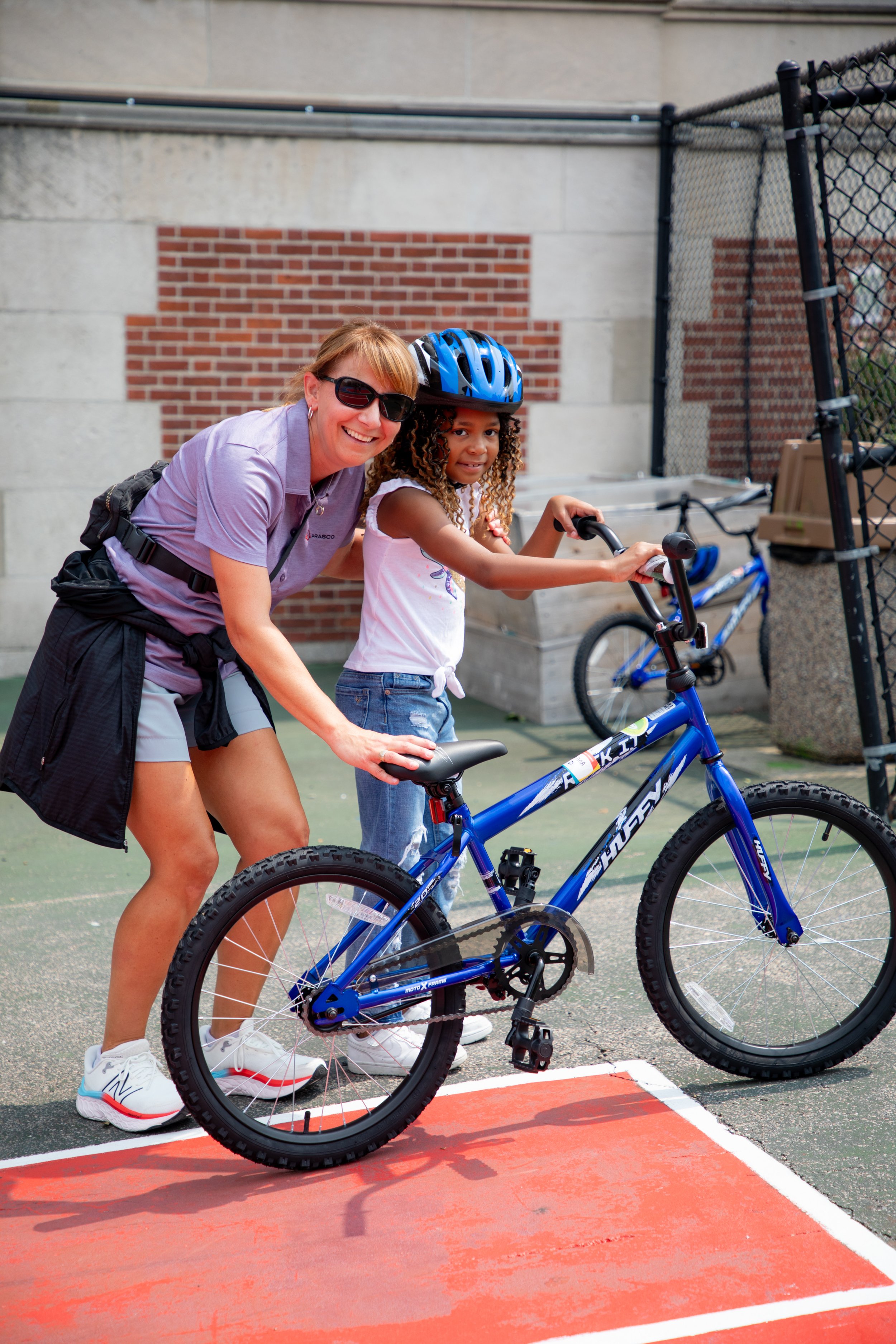
Create Experiences Employees Actually Enjoy
One reason some CSR initiatives struggle is that they focus entirely on community impact while overlooking the employee experience.
The most successful programs accomplish both.
Employees should leave feeling proud of the difference they made while also enjoying the opportunity to collaborate with colleagues.
Purpose-driven team-building experiences achieve this balance particularly well because they combine meaningful community service with engaging teamwork.
Employees communicate, solve problems together, celebrate shared accomplishments, and leave knowing their work directly benefited others.
Celebrate Participation and Share Success Stories
Recognition plays an important role in maintaining enthusiasm for CSR initiatives.
Employees appreciate knowing their efforts are valued, especially when they can see the positive impact their work has created.
After each initiative, share photos, volunteer highlights, community outcomes, and employee stories throughout the organization.
Celebrate participation across every department rather than focusing only on leadership or top contributors.
Sharing these stories reminds employees that their time and effort made a difference while encouraging others to participate in future initiatives.
It also reinforces the idea that community involvement is an ongoing part of company culture rather than a single event.
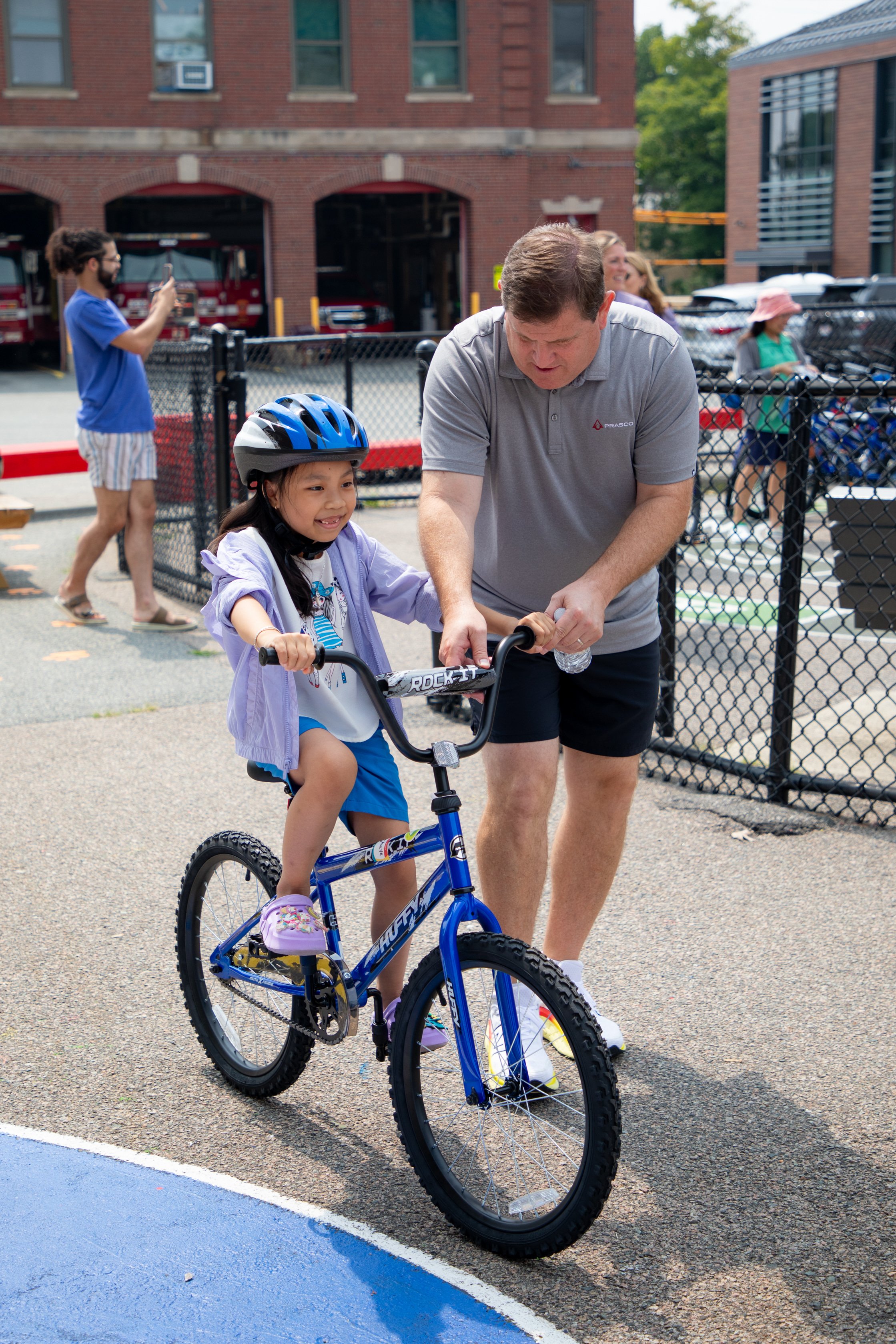
Purpose Creates Long-Term Participation
Many organizations focus on increasing attendance at individual volunteer events.
Successful organizations focus on something much bigger.
They build a culture where employees genuinely want to participate because community involvement reflects who they are as an organization.
Purpose-driven experiences create that connection.
Rather than asking employees to volunteer simply because the company organizes an event, they invite employees to become part of something meaningful.
That shift in perspective transforms CSR from another workplace initiative into a shared mission employees are proud to support.
As highlighted in choosing a corporate team-building event, the most successful employee engagement initiatives create lasting memories because they combine collaboration, purpose, and measurable community impact.
Measuring Employee Buy-In: How Do You Know Your CSR Strategy Is Working?
Launching a CSR initiative is an important milestone, but long-term success depends on more than simply organizing volunteer opportunities. Organizations should regularly evaluate whether employees are genuinely engaged with the program and whether participation is helping strengthen both workplace culture and community impact.
The encouraging news is that measuring employee buy-in doesn't require complicated analytics. A combination of employee feedback, participation data, and business outcomes can provide valuable insights into how your CSR strategy is performing.
Track Participation Rates
One of the clearest indicators of employee buy-in is participation.
Look beyond the total number of volunteers and consider who is getting involved. Are employees from different departments participating? Are both new hires and long-tenured employees taking part? Are managers and senior leaders actively involved alongside their teams?
Growing participation over time often signals that employees see value in the program and are becoming more invested in the organization's community initiatives.
Listen to Employee Feedback
Participation numbers tell only part of the story.
Regular feedback helps organizations understand how employees feel about their CSR initiatives and identify opportunities for improvement. Short post-event surveys or informal discussions can reveal what employees enjoyed, what could be improved, and which causes they would like to support in the future.
Questions such as these often provide valuable insights:
Did you feel your participation made a meaningful difference?
Would you participate in a future CSR event?
Did the activity help you connect with coworkers?
What types of community initiatives would you like to see next?
Gathering feedback also demonstrates that leadership values employee input, which strengthens engagement over time.
Measure Community Impact
Employees are more likely to stay engaged when they can clearly see the results of their efforts.
Instead of simply announcing that an event was successful, share measurable outcomes with the entire organization. This could include volunteer hours completed, bicycles donated, nonprofit organizations supported, students served, or funds raised for local causes.
Sharing these outcomes reinforces the purpose behind each initiative while reminding employees that their contributions create real change.
Organizations that host Bike Build & Give experiences often find that seeing completed bicycles ready for donation leaves a lasting impression because employees witness the direct impact of their teamwork.
Evaluate Business Outcomes
An effective CSR strategy benefits both the community and the organization.
Over time, companies should monitor indicators such as employee engagement, cross-department collaboration, retention, and workplace satisfaction. Many organizations also compare employee engagement survey results before and after major volunteer initiatives to better understand how community involvement influences company culture.
For organizations looking for a structured approach to evaluation, measuring team-building ROI provides practical guidance for measuring both employee engagement and long-term business impact.
Why Organizations Choose Wish for Wheels
Building employee buy-in becomes much easier when CSR initiatives combine meaningful community impact with engaging employee experiences.
This is one reason organizations across the country partner with Wish for Wheels.
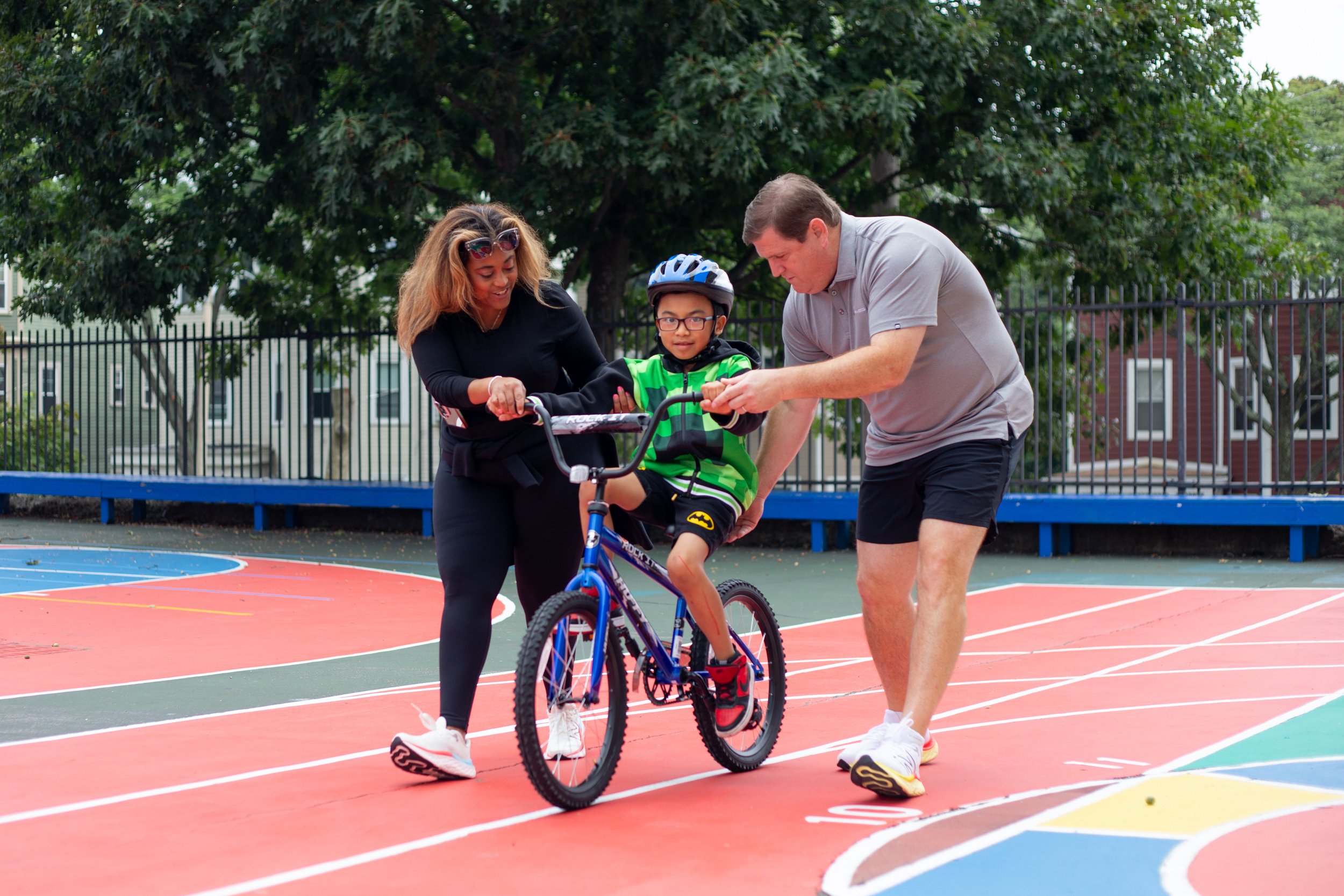
Employees Become Active Participants
Wish for Wheels Bike Build & Give events encourage employees to work together toward a shared goal rather than simply attending a volunteer activity.
Teams collaborate to assemble bicycles for Title I second-grade students, with each bicycle provided along with a new helmet and lock, creating an experience where every participant contributes to a meaningful outcome.
Because employees can see the direct impact of their work, they often develop a stronger emotional connection to both the event and the organization's CSR mission.
Community Impact Is Clear and Tangible
One challenge many CSR initiatives face is making the impact visible.
Bike Build & Give events solve this naturally.
Employees don't have to wonder whether their efforts made a difference. Every completed bicycle represents a child who will receive new opportunities for physical activity, independence, and confidence.
That tangible outcome helps employees understand exactly why their participation matters.
Organizations interested in learning more about these community partnerships can also explore Building Bikes for Kids: How Corporate Teams Give Back to Communities, which highlights how businesses create lasting impact through purpose-driven volunteer experiences.
Employee Engagement and Team Building Happen Together
Rather than organizing separate team-building activities and CSR programs, Wish for Wheels combines both objectives into a single experience.
Employees strengthen communication, build new workplace relationships, and collaborate across departments while making a meaningful contribution to their community.
This integrated approach often generates stronger employee buy-in because participation benefits both the organization and the people it serves.
Easy for Organizations to Implement
Launching a CSR initiative should not create additional stress for HR or people teams.
Wish for Wheels provides professionally managed Bike Build & Give experiences, helping organizations coordinate planning, logistics, and event execution from start to finish.
This allows internal teams to focus on engaging employees while Wish for Wheels handles the operational details.
Conclusion
A successful CSR strategy is not measured by the number of initiatives a company launches. It is measured by the number of employees who genuinely believe in its purpose and choose to participate.
Employee buy-in transforms CSR from a corporate program into a shared commitment. When employees understand why an initiative matters, have opportunities to contribute, and see the impact of their efforts, they become active ambassadors for both the organization and the communities it serves.
Building that level of engagement doesn't happen overnight. It requires clear communication, authentic leadership, meaningful experiences, and a willingness to involve employees in shaping the company's approach to community impact. Organizations that consistently invest in these areas often develop stronger workplace cultures, higher employee engagement, and more sustainable CSR programs.
Purpose-driven experiences are especially effective because they create benefits on multiple levels. Employees strengthen relationships, collaborate across departments, and contribute to meaningful causes at the same time. Rather than simply talking about company values, they experience those values through action.
The strongest CSR strategies are not the ones with the biggest budgets. They are the ones that inspire employees to take part, work together, and create positive change. When people believe in the mission, participation becomes natural, and the impact extends far beyond a single volunteer event.
Frequently Asked Questions
Why is employee buy-in important for a CSR strategy?
Employee buy-in ensures that CSR initiatives become part of the company culture rather than one-time events. When employees believe in the purpose behind a program, they are more likely to participate, encourage others to get involved, and contribute to long-term success.How can companies encourage more employees to participate in CSR initiatives?
Start by communicating the purpose behind each initiative, involve employees in choosing causes to support, make participation simple, and recognize employee contributions. Creating meaningful, hands-on experiences also helps build stronger engagement than simply asking employees to volunteer.What are the biggest barriers to employee participation?
Common barriers include lack of time, unclear communication, limited understanding of the program's purpose, and activities that don't align with employee interests. Removing these obstacles and involving employees in the planning process can significantly improve participation.Should employees help choose CSR initiatives?
Yes. Giving employees a voice in selecting nonprofit partners or volunteer opportunities creates a greater sense of ownership. When people feel their opinions matter, they are more likely to participate and remain engaged over time.How do purpose-driven team-building events improve employee buy-in?
Purpose-driven experiences combine teamwork with community impact, allowing employees to see the direct results of their efforts. These shared experiences strengthen relationships while creating a stronger emotional connection to the organization's CSR mission.How often should companies organize CSR activities?
The ideal schedule depends on your organization's size and goals. Many companies organize quarterly volunteer events while maintaining ongoing partnerships with local nonprofits throughout the year. Consistency is generally more effective than hosting a single annual event.How can organizations measure employee buy-in?
Employee participation rates, volunteer hours, engagement surveys, employee feedback, retention, and cross-department collaboration all provide valuable insight into how well a CSR strategy is resonating with employees.Can CSR initiatives improve employee retention?
Yes. Employees who feel connected to their organization's mission and values are often more engaged and more likely to remain with the company. Purpose-driven initiatives help strengthen that connection while creating a more positive workplace culture.Why are Bike Build & Give events effective for CSR programs?
Bike Build & Give events combine employee engagement, collaboration, and measurable community impact in one experience. Employees work together to assemble bicycles for Title I second-grade students, with each bicycle provided along with a new helmet and lock. This allows employees to see the direct results of their efforts while strengthening workplace relationships.How can my company partner with Wish for Wheels?
Wish for Wheels partners with organizations of all sizes to deliver customized Bike Build & Give experiences that align with employee engagement, CSR, and community impact goals. The team manages planning, logistics, and event facilitation, making it easy for companies to create meaningful experiences for both employees and local communities.
Build a CSR Strategy Employees Want to Support
The most successful CSR programs don't rely on participation because employees are asked to attend. They succeed because employees believe in the purpose behind the initiative and want to be part of making a difference.
Wish for Wheels helps organizations create Bike Build & Give experiences that combine employee engagement, team building, and meaningful community impact. By working together to assemble bicycles for Title I second-grade students, employees strengthen workplace relationships while contributing to a cause that creates lasting opportunities for children and families. Each completed bicycle is provided along with a new helmet and lock.
Whether you're launching your first CSR initiative or looking to increase participation in an existing program, Wish for Wheels can help you create an experience that inspires employees, reinforces your company values, and delivers measurable community impact.
Ready to build a CSR strategy your employees will genuinely support? Contact Wish for Wheels today to learn how a Bike Build & Give event can strengthen employee engagement while making a lasting difference in your community.
Wish for Wheels believes the most impactful team-building experiences benefit both employees and communities. Every bike built helps create new opportunities for a child while bringing teams together around a shared purpose.
Wish for Wheels is a 501(c)(3) organization. EIN: 59-3803048.
