
Introduction
Corporate Social Responsibility (CSR) is no longer something reserved for multinational corporations with large philanthropic budgets. Today, businesses of every size are finding meaningful ways to give back to their communities while creating positive experiences for their employees. Whether you're a growing startup, a family-owned business, or a large enterprise, investing in your community can strengthen your company culture without requiring a significant financial commitment.
Many business leaders assume CSR initiatives require large donations, expensive fundraising campaigns, or dedicated corporate foundations. While financial contributions certainly make a difference, they're only one part of a successful CSR strategy. Some of the most impactful initiatives are built around employee participation, volunteerism, and partnerships with local nonprofit organizations.
Employees are increasingly looking for workplaces that share their values. They want to know their employer is committed to making a positive impact beyond business goals. Organizations that create opportunities for employees to contribute to meaningful causes often see stronger engagement, improved collaboration, and greater pride in the workplace.
The good news is that creating a successful CSR program doesn't have to strain your budget. Small, consistent actions can make a meaningful difference for your employees, your business, and the communities you serve.
Whether you're launching your first initiative or looking for fresh ideas, this guide explores practical CSR activities companies can implement today, explains why purpose-driven programs deliver long-term value, and shows how organizations can create lasting community impact without making a major financial investment.
Why CSR Matters for Businesses of Every Size
Corporate social responsibility has evolved significantly over the past decade.
What was once viewed as an optional business initiative has become an important part of how organizations build trust, strengthen their reputation, and engage employees. Customers, employees, and business partners increasingly expect companies to contribute positively to the communities where they operate.
The encouraging news is that meaningful CSR isn't limited by company size.
Small and mid-sized businesses often have the advantage of being deeply connected to their local communities. They can build strong relationships with schools, nonprofit organizations, and community groups while creating opportunities for employees to volunteer and give back.
When employees participate in volunteer activities together, they build relationships outside their normal work responsibilities. They collaborate in new ways, communicate more openly, and develop a stronger sense of shared purpose. These experiences often improve teamwork long after the volunteer event has ended.
Organizations interested in strengthening workplace culture through community involvement can also exploreemployee engagement and CSR, which explains how purpose-driven initiatives support both employees' and businesses' objectives.
The Biggest Myth About Corporate Social Responsibility
One of the biggest misconceptions about CSR is that it requires a large budget.
Many business owners believe meaningful community impact only comes from making large financial donations or sponsoring expensive charitable events. While financial support certainly helps nonprofit organizations, it is not the only way companies can make a difference.
In reality, successful CSR programs are built on participation, consistency, and authentic community partnerships.
Employees can volunteer their time, share professional skills, mentor students, organize donation drives, or participate in community improvement projects. These initiatives often require far less financial investment while creating lasting benefits for both employees and the organizations they support.
Purpose matters more than budget.
Employees are far more likely to engage with initiatives that feel authentic and align with company values. A thoughtfully planned volunteer event can create stronger employee engagement than a large financial donation that employees never experience firsthand.
Community partnerships also create long-term value.
Rather than organizing one-time charitable activities, many organizations choose to build ongoing relationships with nonprofit organizations that share their mission. These partnerships allow employees to see the impact of their contributions over time while strengthening the company's connection to the local community.
Organizations looking for practical examples can learn more from Build Bikes for Charity: Turning Team Building into Social Good, which demonstrates how businesses combine employee engagement with meaningful community impact through purpose-driven volunteer experiences.
Affordable CSR Activities Your Company Can Start Today
Creating a successful CSR program doesn't require months of planning or a significant financial investment.
Many of the most effective initiatives are simple to organize, encourage broad employee participation, and create meaningful benefits for local communities. The key is choosing activities that align with your organization's values while making it easy for employees to get involved.
Below are several practical CSR activities that companies of almost any size can begin implementing today.
1. Organize Employee Volunteer Days
One of the easiest ways to launch a CSR program is by organizing volunteer days.
Employees can spend a few hours supporting local nonprofit organizations, food banks, schools, parks, or community improvement projects. These experiences give employees the opportunity to work together outside of their normal responsibilities while supporting causes that matter to them.
Volunteer days also strengthen relationships across departments. Employees who rarely interact during the workday often collaborate naturally while working toward a shared goal.
2. Host a Purpose-Driven Team-Building Event
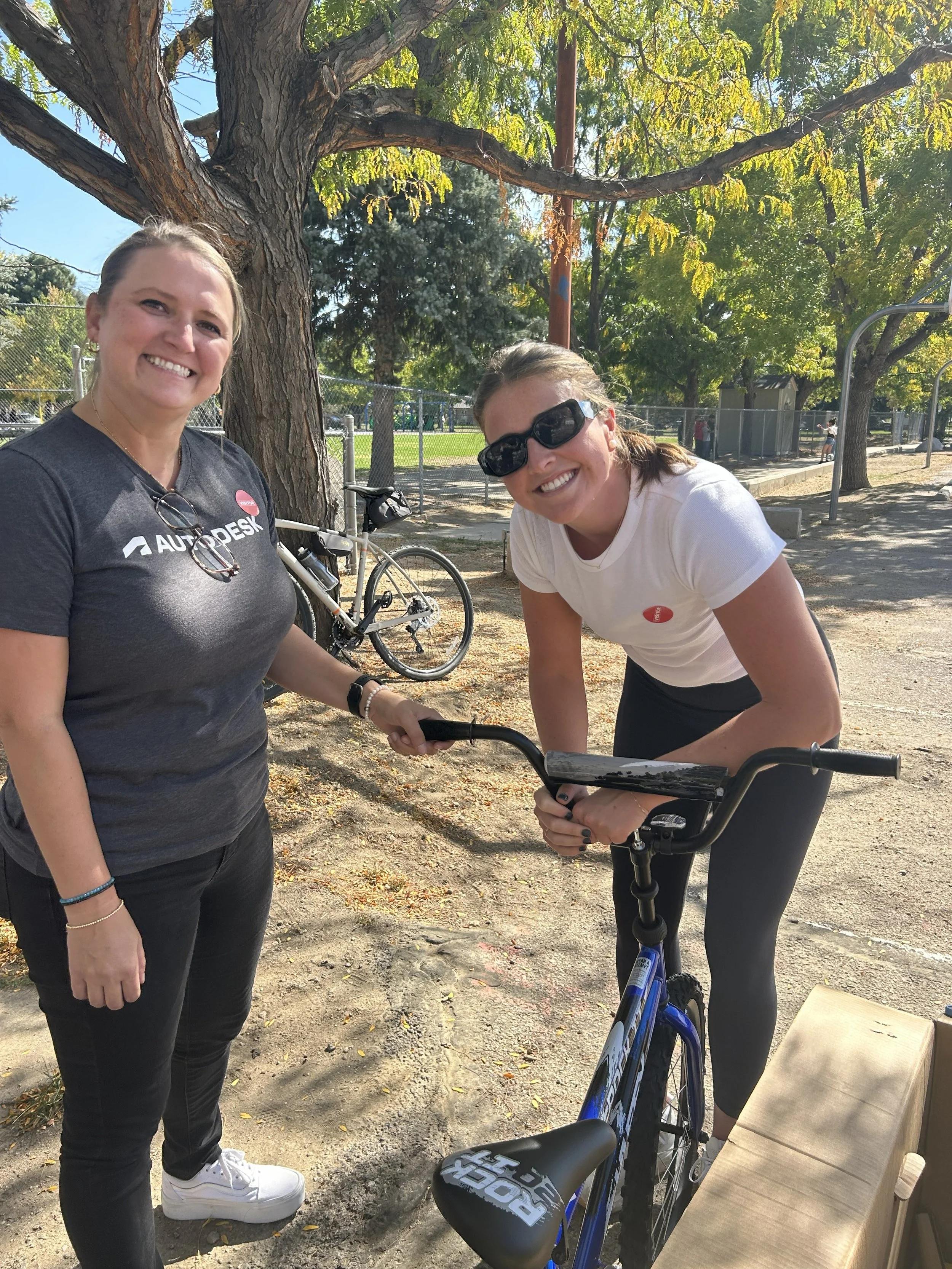
Team building and CSR can work together. Build & Give experiences allow employees to assemble bicycles for children while strengthening teamwork and supporting the community.
3. Partner With Local Schools
Schools often need additional support throughout the year.
Businesses can donate classroom supplies, sponsor reading programs, provide career speakers, or organize employee volunteer opportunities that directly support students and teachers.
These partnerships create lasting relationships while allowing employees to see the positive impact of their involvement firsthand.
4. Encourage Skills-Based Volunteering
Not every employee needs to volunteer through physical activities to make a meaningful impact. One of the most valuable resources any organization has is the knowledge and expertise of its people.
Skills-based volunteering allows employees to use their professional experience to support nonprofit organizations, schools, and community groups. Marketing teams can help charities improve their outreach, HR professionals can assist with interview preparation, finance teams can provide budgeting guidance, and IT professionals can offer technical support.
These initiatives often require little or no financial investment while creating significant value for nonprofit organizations that may not have access to specialized expertise.
5. Organize Donation Drives
Donation drives are simple to organize and encourage employees to support local food banks, schools, or charities through collective contributions.
6. Offer Paid Volunteer Time
Many organizations encourage community involvement by providing employees with paid volunteer hours each year.
Even one volunteer day annually can have a meaningful impact.
Employees appreciate working for organizations that actively support causes they care about, and paid volunteer time demonstrates that community involvement is more than a company statement. It becomes part of the workplace culture.
Organizations often find that employees return from volunteer experiences feeling energized, motivated, and more connected to both their colleagues and their employer.
7. Build Long-Term Partnerships With Local Nonprofits
One-time volunteer events are valuable, but long-term partnerships often create even greater community impact.
By supporting the same nonprofit organization throughout the year, companies develop stronger relationships and gain a better understanding of the community's ongoing needs.
Employees also experience the satisfaction of seeing how their contributions make a difference over time rather than participating in a single isolated event.
For organizations looking to combine employee engagement with long-term community partnerships, purpose-driven initiatives often create stronger outcomes than one-time charitable donations.
Comparing Affordable CSR Activities
Not every CSR initiative requires the same level of investment or employee involvement.
The table below compares several affordable activities organizations can implement while balancing budget, employee engagement, and community impact.
| CSR Activity | Typical Cost Level | Level of Employee Involvement | Type of Community Impact |
|---|---|---|---|
| Employee Volunteer Day | Low | Hands-on participation | Direct support for local organizations |
| Donation Drive | Low | Contribution-based | Provides needed goods or resources |
| Skills-Based Volunteering | Low | Uses professional expertise | Supports organizations with specialized skills |
| Paid Volunteer Time | Low to Medium | Individual or team participation | Ongoing support for community causes |
| School Partnership | Low | Varies by activity | Builds longer-term local relationships |
| Bike Build & Give Team-Building Event | Moderate | Collaborative team experience | Provides bicycles, helmets, and locks to students |
As the table shows, different CSR activities serve different purposes. Some are designed for ongoing community relationships, while others focus on direct volunteering, employee participation, or providing specific resources. The best option depends on an organization's budget, goals, and the type of involvement it wants to create.
While many of the activities in this guide can be launched with little or no financial investment, organizations looking to combine employee engagement with a structured team-building experience may consider a Bike Build & Give event. This approach brings employees together around a shared goal while creating a tangible outcome for children in the local community.
Purpose-driven programs often stand out because they create benefits on multiple levels. Employees strengthen relationships, organizations reinforce company values, and local communities receive meaningful support through a single initiative.
Why Purpose-Driven CSR Delivers Greater Impact
Many CSR activities create positive outcomes, but purpose-driven initiatives often produce longer-lasting benefits because employees become personally involved in the experience.
Writing a donation check certainly helps nonprofit organizations, but employees rarely feel connected to the impact if they are not involved in the process.
Purpose-driven programs change that dynamic.
Instead of observing the company's community involvement from a distance, employees actively contribute their time, effort, and teamwork toward a shared objective. This participation creates a stronger emotional connection to both the cause and the organization.
Employees Feel Part of Something Meaningful
People naturally want their work to have meaning.
When organizations create opportunities for employees to support local communities, they reinforce the idea that success extends beyond financial performance.
Employees often leave volunteer experiences feeling proud of both their contributions and the organization they represent.
Teamwork Happens Naturally
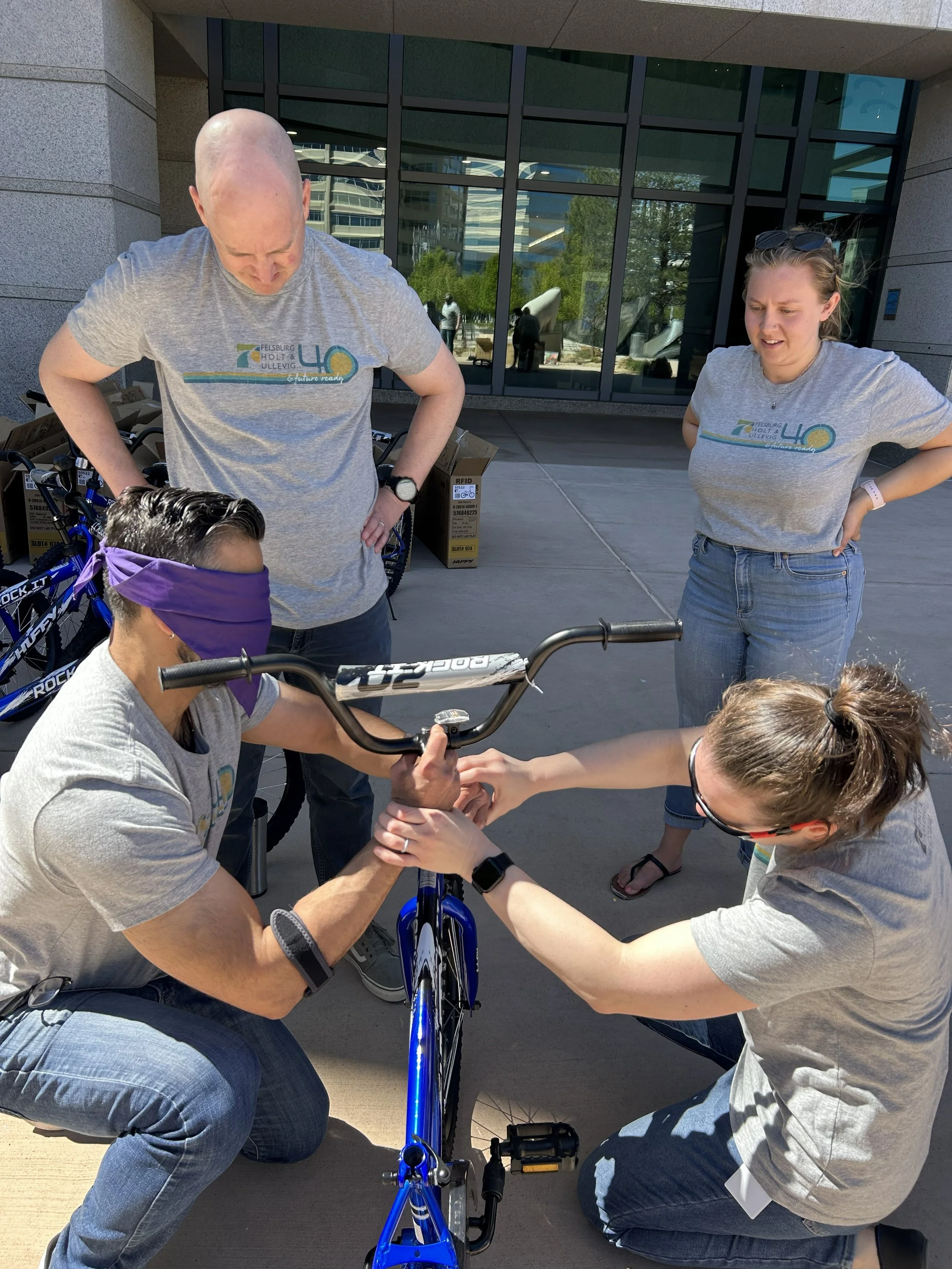
Volunteer projects create opportunities for employees from different departments to collaborate outside their normal work environment.
Without the pressures of deadlines or daily responsibilities, conversations become more relaxed and authentic.
These interactions often strengthen workplace relationships and improve communication long after the event has ended.
Organizations interested in strengthening collaboration through community involvement can also explore employee engagement through community service, which explains why volunteer experiences consistently improve teamwork and employee satisfaction.
CSR Strengthens Workplace Culture
Company culture is shaped by shared experiences.
Purpose-driven CSR initiatives demonstrate organizational values through action rather than words.
When employees see their organization consistently investing in local communities, they develop greater trust in leadership and stronger pride in where they work.
These shared experiences become part of the organization's identity and contribute to a culture employees want to be part of.
Small Actions Create Long-Term Change
One of the greatest advantages of affordable CSR initiatives is consistency.
Organizations do not need to wait until they have a larger budget or dedicated CSR department before making a difference.
Small volunteer projects, school partnerships, employee giving initiatives, and purpose-driven team-building events all contribute to meaningful community impact over time.
Rather than asking, "What can our budget afford?" Many organizations are now asking, "How can we involve our employees in making a difference?"
That shift in thinking often leads to stronger engagement, better collaboration, and more authentic community relationships.
Measuring the Success of Your CSR Initiatives
Once your CSR program is underway, measuring success doesn't have to be complicated. Simple indicators such as employee participation, a short post-event survey, and visible community outcomes like volunteer hours, bicycles donated, or meals provided can quickly show whether your efforts are making a meaningful difference. Organizations looking for a deeper measurement framework can explore measuring team-building ROI, which provides practical strategies for evaluating long-term employee engagement and business impact.
Common CSR Mistakes to Avoid
Corporate Social Responsibility doesn't need to be complicated, but there are a few common mistakes that can reduce the effectiveness of even the best intentions.
Understanding these challenges helps organizations create programs that employees genuinely value.
Treating CSR as a One-Time Event
Hosting a single volunteer day is a great start, but lasting impact comes from consistency.
Employees are more likely to stay engaged when community involvement becomes an ongoing part of company culture rather than an annual activity.
Even small quarterly initiatives can build stronger relationships and create greater long-term impact than one large event each year.
Focusing Only on Financial Donations
Financial contributions are important, but they should not be the only component of a CSR strategy.
Employees often feel more connected when they actively participate through volunteering, mentoring, donation drives, or purpose-driven team-building experiences.
Giving employees opportunities to contribute their time and skills creates stronger engagement while reinforcing organizational values.
Not Involving Employees in the Planning Process
The most successful CSR programs reflect the interests of employees as well as the goals of the organization.
Ask employees which causes matter most to them and invite ideas for future initiatives. When people have a voice in the planning process, they are more likely to participate enthusiastically.
Choosing Activities That Don't Reflect Company Values
Community initiatives should feel authentic.
Employees quickly recognize when a CSR activity feels disconnected from the organization's mission or culture.
Instead, choose programs that naturally align with your company's values and create opportunities for employees to experience those values through meaningful action.
Why Organizations Partner With Wish for Wheels
Many companies want to expand their CSR efforts but are unsure where to begin.
Wish for Wheels helps organizations simplify the process by combining employee engagement, community impact, and purpose-driven team building into one memorable experience.
Employee Engagement and Community Impact Together
Rather than planning separate volunteer activities and team-building events, organizations can achieve both goals through a single Build & Give experience.
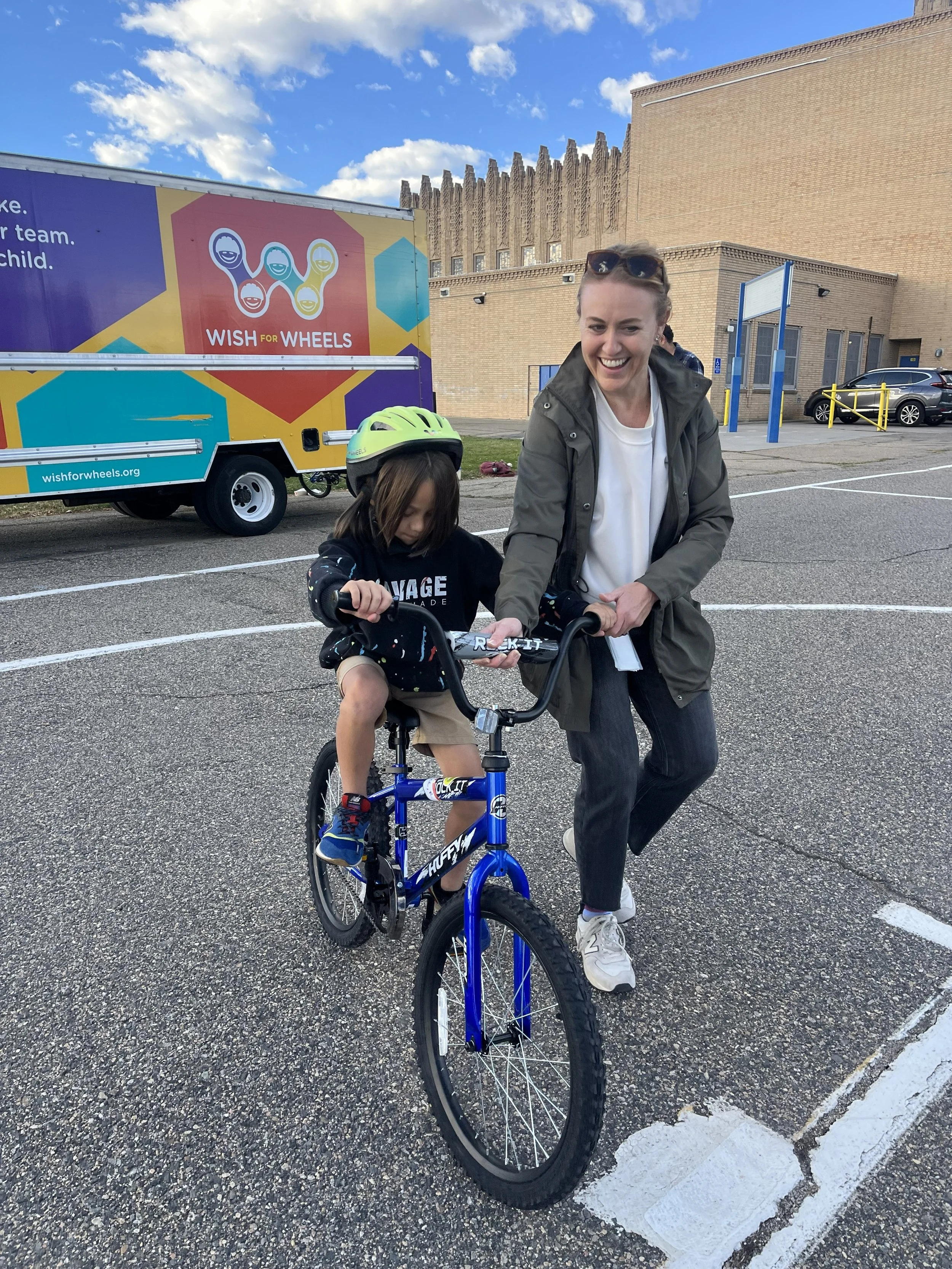
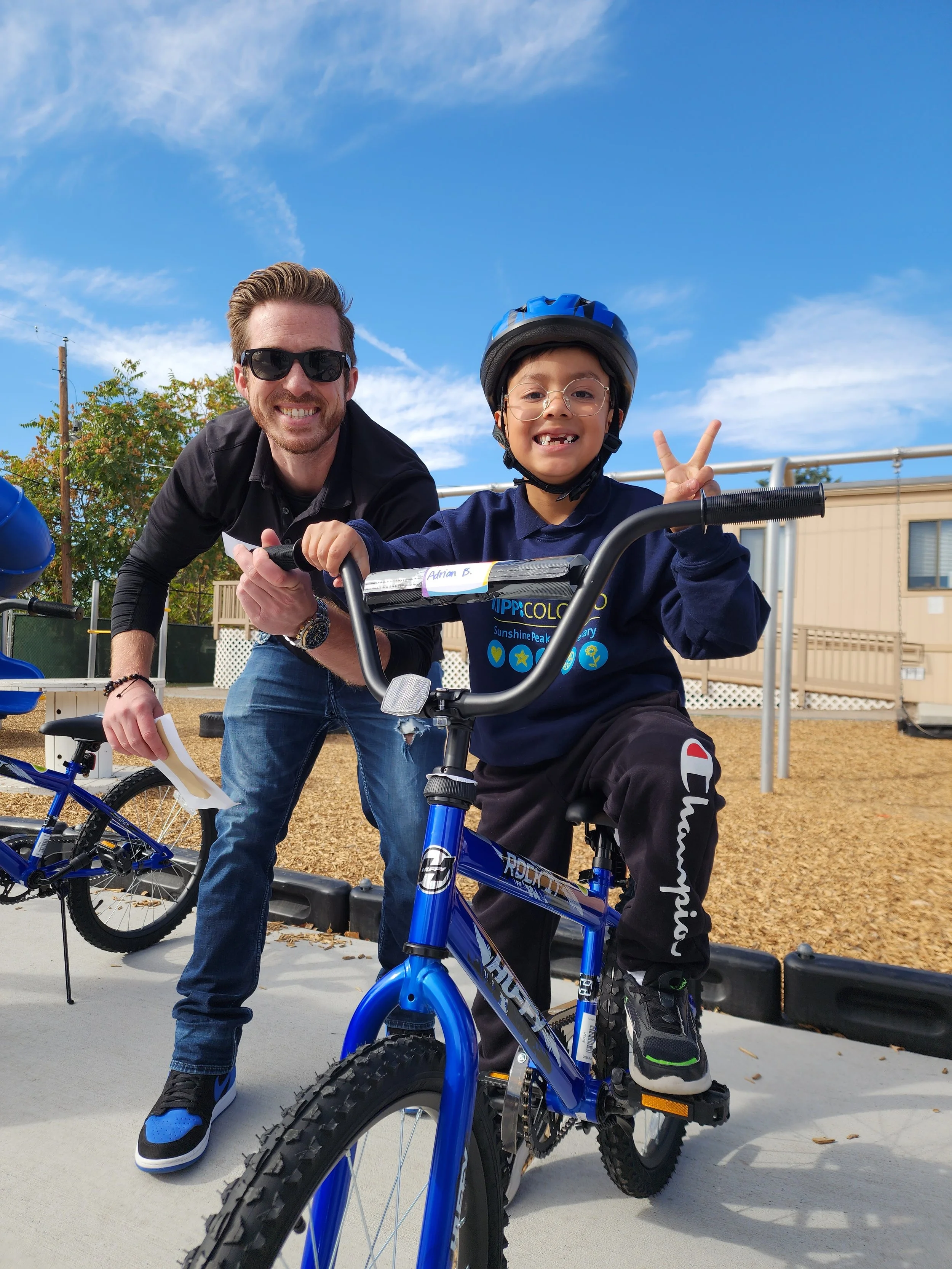
Employees strengthen workplace relationships while building bicycles and helmets for Title I second-grade students, creating an experience that benefits both the organization and the community.
Easy to Plan
Launching a CSR initiative shouldn't create additional stress for HR or people teams.
Wish for Wheels provides a turnkey experience, helping organizations coordinate logistics, facilitate the event, and create a meaningful experience from start to finish.
This allows internal teams to focus on employee participation instead of event management.
An Experience Employees Remember
Many volunteer events are meaningful, but Build & Give experiences create a lasting emotional connection.
Employees don't simply volunteer for a few hours. They work together to build something that directly impacts a child's life.
That shared accomplishment often becomes one of the most memorable experiences employees have with their organization.
Companies looking for inspiration can also read Build Bikes for Charity, which explores how purpose-driven volunteer events strengthen employee engagement while creating measurable community impact.
Conclusion
Meaningful CSR isn't defined by the size of a company's budget but by its willingness to take consistent action. Whether through volunteer days, school partnerships, donation drives, or purpose-driven team-building experiences, organizations of any size can create lasting value for employees and their communities. The most effective CSR programs simply give people meaningful opportunities to make a difference.
Frequently Asked Questions
What are CSR activities?
Corporate Social Responsibility (CSR) activities are programs and initiatives that help businesses make a positive contribution to society. These can include employee volunteering, nonprofit partnerships, environmental sustainability efforts, charitable giving, community outreach, and purpose-driven team-building events.Can small businesses implement CSR programs?
Absolutely. CSR is not limited to large corporations. Small businesses can organize volunteer days, support local schools, partner with nonprofit organizations, or encourage employees to participate in community service. Even modest initiatives can create meaningful impact when they are consistent and aligned with company values.What are some low-cost CSR activities?
Many affordable CSR initiatives require very little financial investment. Examples include employee volunteer days, donation drives, skills-based volunteering, mentoring programs, community clean-up projects, and partnerships with local nonprofits. These activities primarily rely on employee participation rather than large budgets.How do CSR activities improve employee engagement?
CSR initiatives give employees opportunities to contribute to meaningful causes while working alongside their colleagues. These shared experiences strengthen workplace relationships, reinforce company values, and help employees feel more connected to both their team and the organization.What is a Bike Build & Give event?
A Bike Build & Give event is a purpose-driven team-building experience where employees work together to assemble bicycles that, along with new helmets and locks, are provided to Title I second-grade students. The event combines employee engagement, collaboration, and community impact in one meaningful experience.How often should companies organize CSR activities?
There is no single schedule that works for every organization. Many companies organize quarterly or annual volunteer events, while others support ongoing community partnerships throughout the year. Consistency is often more important than frequency because regular involvement helps strengthen both employee engagement and community relationships.How can companies measure the success of CSR programs?
Organizations can evaluate CSR initiatives by tracking employee participation, volunteer hours, community impact, employee feedback, engagement survey results, and long-term workplace outcomes such as collaboration and retention. Measuring both business and community impact helps organizations improve future initiatives.Why is employee volunteering important?
Employee volunteering allows people to contribute their time, skills, and energy to causes that matter. These experiences often strengthen teamwork, improve communication, and create a stronger sense of purpose while helping organizations build meaningful relationships within their communities.Can CSR improve company culture?
Yes. Purpose-driven CSR initiatives encourage collaboration, reinforce organizational values, and create shared experiences that strengthen workplace relationships. Employees often feel greater pride in working for organizations that actively invest in their communities.How can my company partner with Wish for Wheels?
Wish for Wheels works with organizations of all sizes to create customized Bike Build & Give experiences that combine employee engagement with community impact. The team helps coordinate planning, event logistics, and bicycle delivery, making it easy for companies to create a meaningful experience that brings employees together while supporting local children.
Create Meaningful Community Impact Without a Big Budget
A successful CSR program doesn't have to begin with a large financial commitment. It starts by creating opportunities for employees to work together, support meaningful causes, and make a positive difference in the communities where they live and work.
Wish for Wheels helps organizations of all sizes combine employee engagement with community impact through Build & Give experiences that provide bicycles and helmets to Title I second-grade students. Employees strengthen workplace relationships while working together toward a shared purpose, creating an experience that benefits both your team and your community.
Whether you're launching your first CSR initiative or looking to expand an existing program, Wish for Wheels can help you create an experience that aligns with your company values, supports employee engagement, and delivers measurable community impact.
Ready to strengthen your CSR strategy through purpose-driven team building? Contact Wish for Wheels today to learn how a Bike Build & Give event can help your organization make a lasting impact.
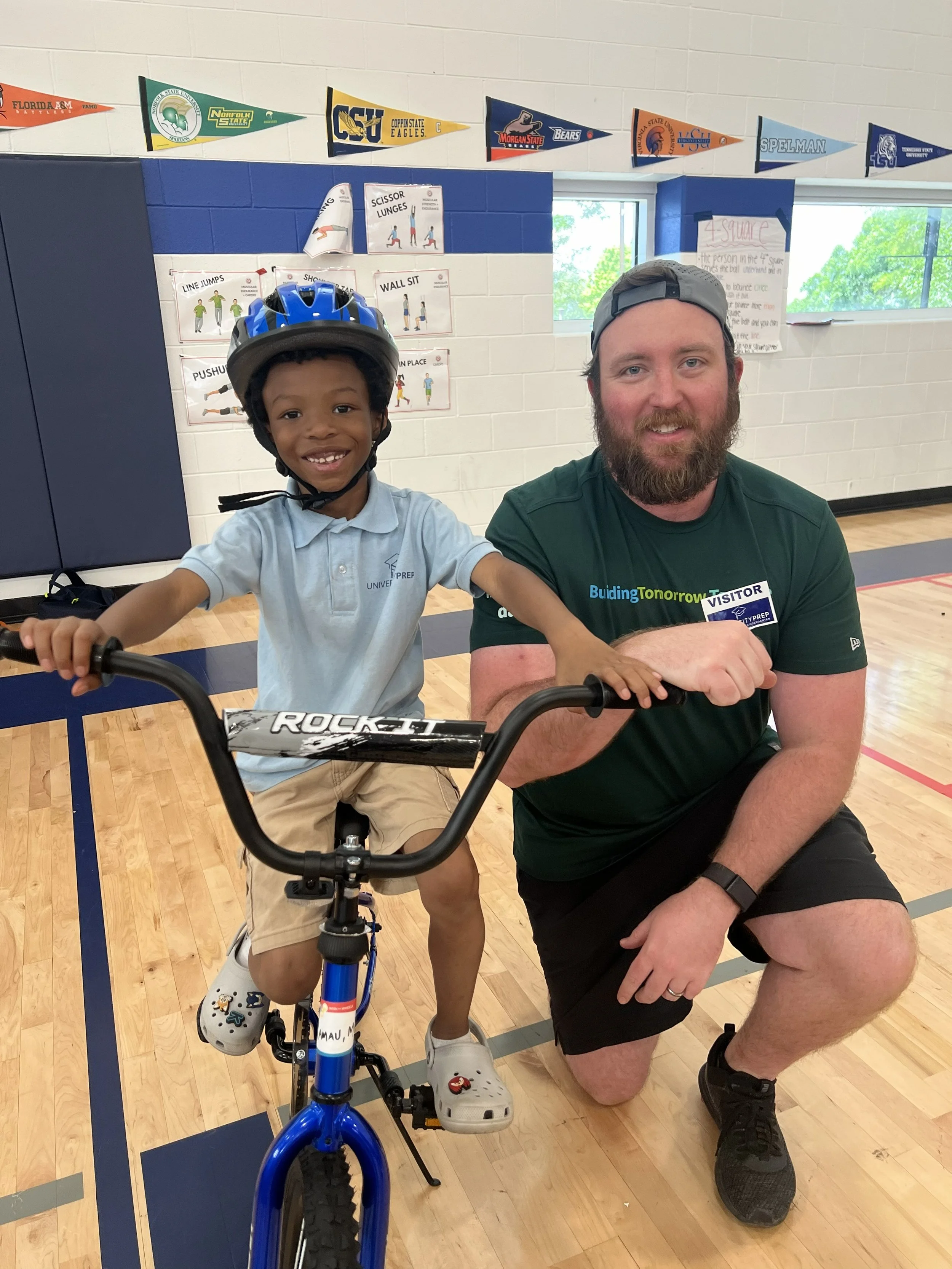
During a Bike Build & Give event, employees work together to assemble bicycles for Title I second-grade students. Each completed bicycle is provided along with a new helmet and lock, helping create a meaningful experience for both participating employees and the children in the local community.
Wish for Wheels believes the most impactful team-building experiences benefit both employees and communities. Every bike built helps create new opportunities for a child while bringing teams together around a shared purpose.
Wish for Wheels is a 501(c)(3) organization. EIN: 59-3803048.
