
How to Measure the ROI of a Corporate Team Building Event
Introduction: Why ROI Matters More Than Ever
Corporate team building has evolved from a “nice-to-have” activity into a strategic investment.
In today’s workplace, organizations are under constant pressure to justify how time, budget, and resources are spent. Leadership teams want to see clear outcomes. HR leaders are expected to demonstrate measurable impact. And employees expect experiences that feel meaningful and worthwhile.
This is where measuring ROI becomes essential.
Gallup research has consistently shown that highly engaged teams outperform less engaged workplaces in productivity, retention, and profitability, making employee engagement a measurable business priority rather than simply an HR initiative.
Team-building events are no longer just about participation or enjoyment. They are about outcomes. Companies want to know if these experiences actually improve engagement, strengthen collaboration, and contribute to long-term business success.
The challenge is that ROI in team building is not always as straightforward as revenue metrics. It requires a broader perspective that includes both quantitative and qualitative outcomes.
This guide breaks down how to measure the ROI of a corporate team-building event, what metrics matter most, and how to connect these experiences to real business value.
As workplace expectations continue to evolve, companies are placing greater focus on experiences that improve both employee satisfaction and business performance. Measuring ROI helps organizations move beyond assumptions and make smarter decisions about where to invest time, budget, and leadership attention.
What ROI Means in Corporate Team Building
ROI, or return on investment, is typically associated with financial returns.
In the context of team building, ROI is more nuanced.
In corporate team building, ROI extends beyond direct financial return. Organizations often evaluate success through improvements in collaboration, retention, communication, engagement, and long-term workplace culture. While some outcomes can be measured through data such as retention rates or participation levels, others are reflected through stronger team relationships, improved morale, and better cross-department interaction over time.
A successful team-building event should contribute to both.
For example, stronger communication between departments may not show immediate financial return, but it can improve project efficiency, reduce workplace friction, and strengthen long-term collaboration. These outcomes create measurable business value over time.
Instead of asking, “Did employees enjoy the event?” organizations should ask:
Did this improve how our teams work together?
Did it increase engagement?
Did it align employees with our company values?
This broader definition of ROI reflects how team building contributes to overall organizational success.
Why Measuring ROI Is Critical in 2026
In 2026, expectations around accountability have increased.
Organizations are no longer satisfied with anecdotal feedback. They want measurable results.According to Deloitte research, 94% of executives say workplace culture is important to long-term business success, increasing pressure on organizations to measure the impact of employee engagement initiatives more effectively.
In 2026, organizations are under greater pressure to connect workplace initiatives to measurable business outcomes. Leadership teams increasingly expect HR and employee engagement programs to demonstrate clear value rather than relying only on anecdotal feedback or participation numbers.
At the same time, employee engagement has become more closely tied to retention, productivity, and workplace performance. Companies are also investing more heavily in CSR initiatives and culture-building strategies, making ROI measurement an important part of long-term decision-making. Many organizations are now connecting broader CSR initiatives to measurable business performance. As discussed in CSR to ROI, community impact initiatives can contribute to stronger engagement, retention, and long-term workplace outcomes.
Without measurable outcomes, team-building programs can easily be viewed as optional expenses rather than strategic investments.The ROI conversation should also consider the cost of inaction. Disengagement, turnover, communication breakdowns, and siloed teams all carry measurable business costs that often exceed the investment required for a well-designed team-building experience. Evaluating ROI means looking not only at what an event costs, but also at what organizations risk losing when employee engagement and workplace culture are neglected.
Key Metrics to Measure Team-Building ROI
Measuring ROI requires identifying the right metrics.
1. Employee Engagement Levels
Engagement is one of the most important indicators of success.As organizations continue addressing the growing cost of disengagement, leadership teams are placing greater emphasis on measuring employee engagement more effectively across the workplace.
You can measure engagement through:
Post-event surveys
Participation rates
Employee feedback
As explored in employee engagement through community service, meaningful experiences often lead to higher engagement and stronger emotional connection.
2. Team Collaboration and Communication
Improved collaboration is a key goal of most team-building events.
Measure:
Cross-team interaction
Communication effectiveness
Feedback from managers
You may also observe improvements in how teams work together on projects after the event.
3. Employee Retention
Retention is directly impacted by workplace culture and engagement. SHRM estimates that replacing an employee can cost between six and nine months of their salary once recruiting, onboarding, and lost productivity are considered.
Track:
Turnover rates before and after events
Employee satisfaction scores
Exit interview feedback
Organizations that invest in stronger workplace culture and employee engagement initiatives often see improved retention, participation, and long-term team stability over time. When employees feel valued and connected to their workplace culture, they are more likely to stay engaged and committed. Retention improvements reduce hiring costs, improve team stability, and strengthen long-term organizational performance.
4. Productivity and Performance
While harder to measure directly, productivity can be influenced by stronger teamwork and communication.
Look for:
Improved project outcomes
Faster problem-solving
Increased efficiency
Even small improvements can contribute to long-term ROI.
5. Participation and Involvement
Participation is a basic but important metric.
High participation rates indicate:
Strong interest
Relevance of the event
Positive perception among employees
Low participation may signal a need to rethink the approach.
6. CSR and Community Impact
For community-based events, impact is a critical metric.
As discussed in employee engagement and corporate social responsibility, aligning engagement with impact creates both cultural and organizational benefits.
Measure:
Number of beneficiaries impacted
Employee perception of impact
Alignment with company values
Quantitative vs Qualitative ROI
A complete ROI analysis includes both quantitative and qualitative data.
Quantitative Metrics
Participation rates
Retention statistics
Productivity improvements
Qualitative Metrics
Employee feedback
Emotional engagement
Perceived value of the experience
Both are important.
Relying only on numbers can miss the emotional and cultural impact of a successful event. At the same time, feedback alone may not provide enough evidence for leadership teams making budget decisions. A balanced approach creates a clearer picture of true ROI.
Quantitative data provides measurable evidence, while qualitative insights help explain the deeper impact of the event.
A Simple Formula for Calculating Team-Building ROI
One of the biggest mistakes companies make when evaluating team-building ROI is treating it as impossible to measure financially. While not every outcome can be tied directly to revenue, organizations can still calculate ROI using a practical business framework.
A simple formula looks like this:
ROI = (Value of outcomes − Cost of event) ÷ Cost of event × 100
For example, imagine a company spends $15,000 on a 100-person team-building event. If the event helps improve retention enough to prevent just one employee resignation, the financial impact may already outweigh the cost. According to SHRM, replacing an employee often costs between six and nine months of their salary when recruiting, onboarding, and productivity loss are included.
If the avoided turnover cost equals $34,000 and the event cost was $15,000, the organization has already generated a positive return before accounting for additional benefits such as stronger engagement, improved collaboration, or productivity gains.
How to Measure ROI Step by Step
Step 1: Define Your Objectives
Start with clear goals.
Ask:
What do we want to achieve?
How will we define success?
Common objectives include improving collaboration, increasing engagement, or supporting CSR initiatives.
Step 2: Establish Baseline Metrics
Before the event, collect data on:
Engagement levels
Team performance
Retention rates
This provides a reference point for measuring change.
Step 3: Collect Data During the Event
Observe:
Participation levels
Team interactions
Engagement during activities
This helps assess immediate impact.
Step 4: Gather Post-Event Feedback
Use surveys and feedback forms to understand:
Employee experience
Perceived value
Suggestions for improvement
Step 5: Analyze Long-Term Impact
Measure changes over time in:
Engagement
Collaboration
Retention
This is where true ROI becomes visible.
Why Community-Based Events Often Deliver Stronger ROI
Community-based team-building events often create stronger emotional engagement and more measurable long-term outcomes.
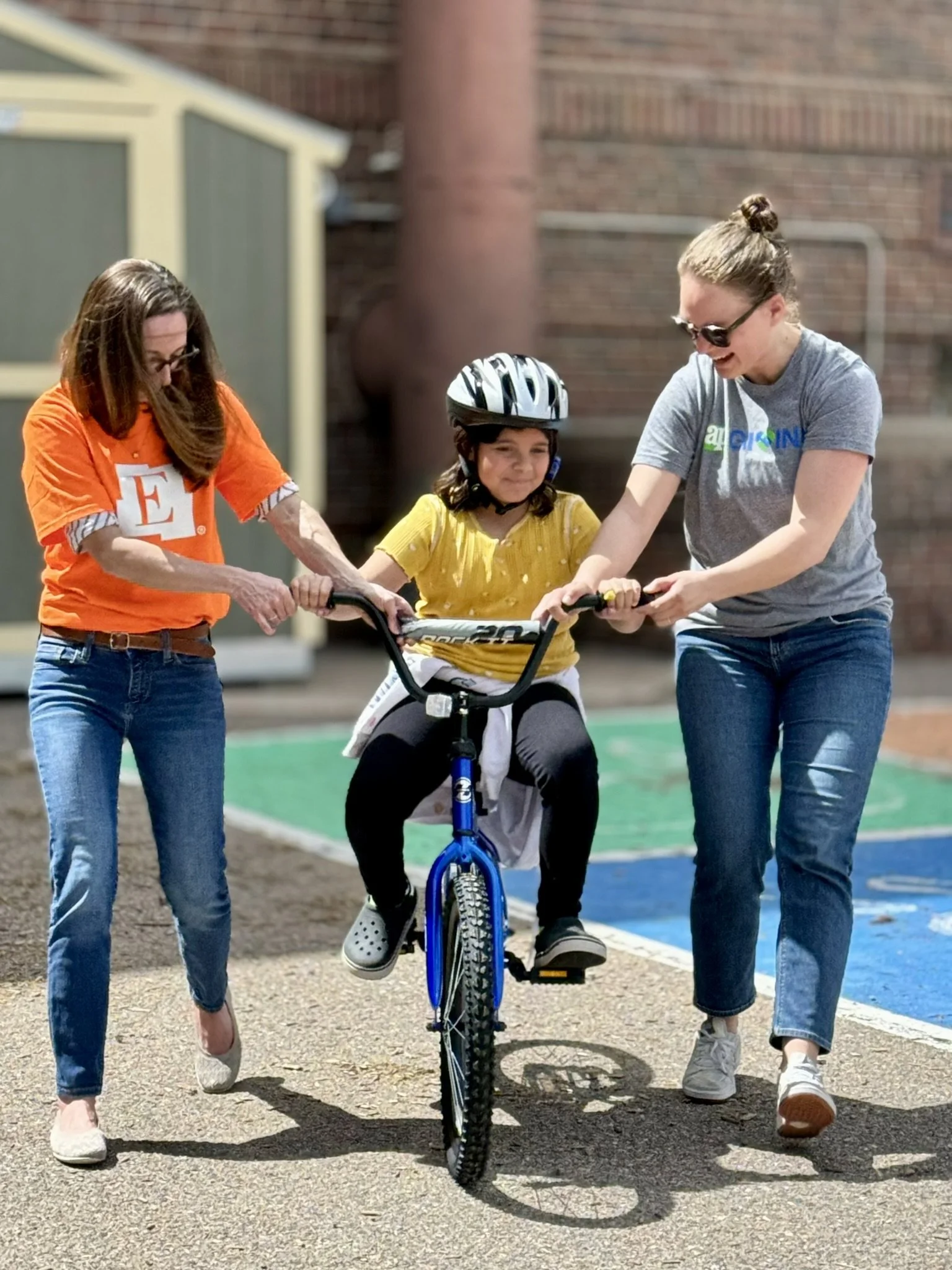
Programs like the Bike Build & Give program combine team-building with community impact, creating both emotional and measurable value.
Employees respond more positively when team-building activities create a visible connection between their effort and a meaningful outcome.
This leads to:
Higher participation
Stronger emotional connection
More memorable experiences
Community-based experiences often create stronger emotional connection and more memorable long-term engagement outcomes.
Want a Team-Building Event That Makes ROI Easier to Measure?
See how Wish for Wheels structures its Bike Build & Give program to create measurable engagement, collaboration, and community impact from day one.
Explore the Bike Build & Give program to see how community-based team-building experiences can create measurable engagement, collaboration, and CSR impact.
Common Challenges in Measuring ROI
Measuring ROI in team building is not without challenges.
Intangible Outcomes
Some benefits, such as improved morale, are difficult to quantify.
Time Lag
The full impact may not be visible immediately.
Data Collection
Collecting accurate and consistent data requires planning.
Attribution
It can be difficult to isolate the impact of a single event from other factors.
Despite these challenges, measurement is still essential for continuous improvement. Organizations that build ROI tracking into the planning process from the beginning often achieve better results. Clear goals, stronger data collection, and regular follow-up make it easier to identify what is working and where future improvements are needed.
How to Present Team-Building ROI to Leadership
Leadership teams are more likely to support team-building investments when ROI is presented in business terms rather than HR language alone. Instead of focusing only on employee satisfaction or participation, organizations should connect engagement initiatives to measurable operational outcomes such as retention savings, productivity improvement, and reduced hiring costs.
For example, SHRM estimates that replacing an employee can cost between six and nine months of their salary. Framing team building as a retention and engagement strategy rather than an entertainment expense often creates a much stronger business case for leadership approval.
Organizations can also strengthen ROI discussions by highlighting CSR and ESG-related outcomes, especially when events include measurable community impact such as bikes donated, volunteer participation, or charitable contributions.
Gallup also estimates that disengaged employees cost businesses billions annually in lost productivity, making retention and engagement improvements financially significant for leadership teams.
Real-World Example of Team-Building ROI
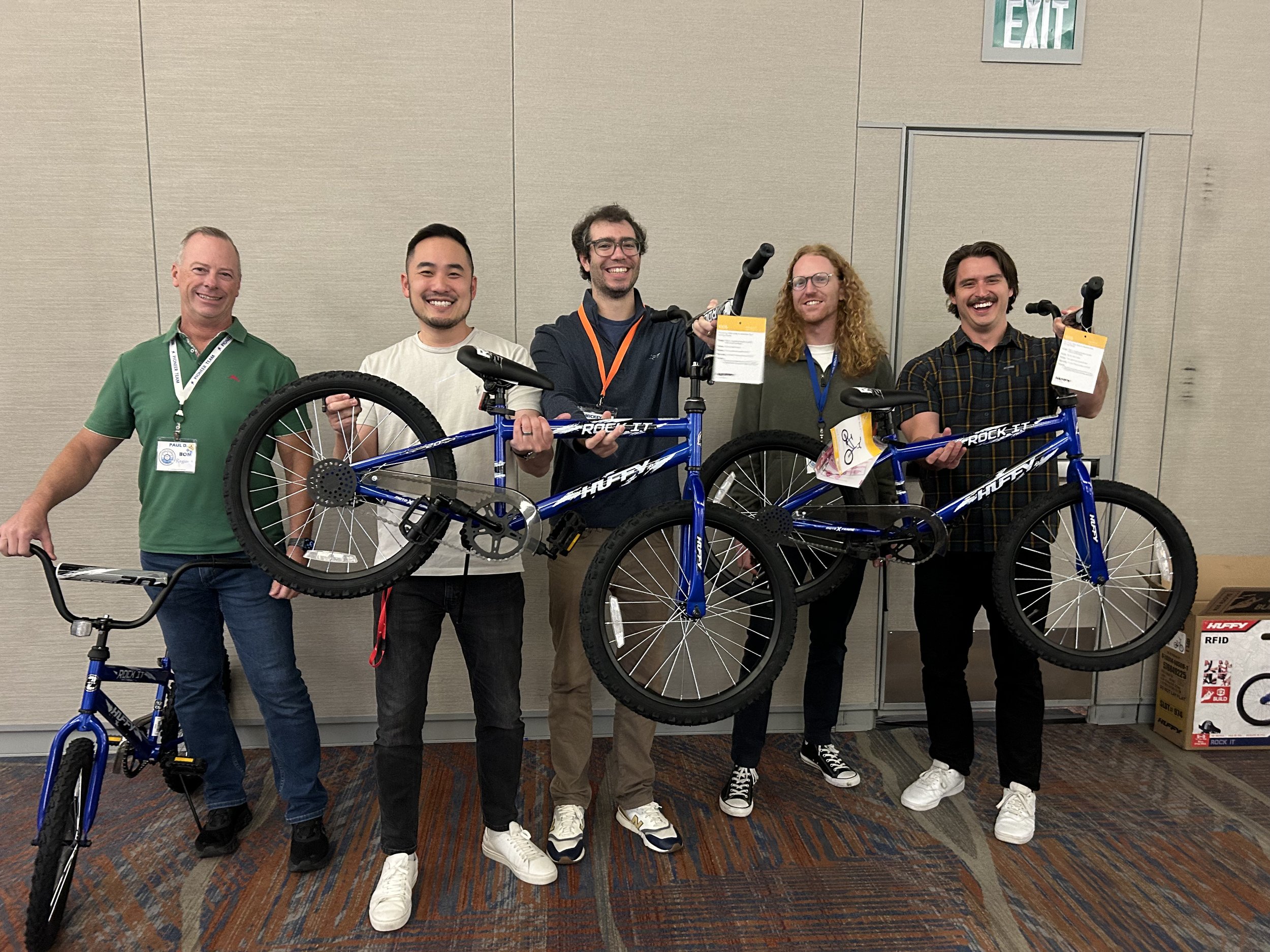
Wish for Wheels works with companies across the US to create team-building experiences that combine employee engagement with meaningful community impact. Through programs like Bike Build & Give, employees collaborate to assemble bikes that are donated to local children, turning a traditional team-building event into something more memorable and purpose-driven.
Because employees can directly see the outcome of their efforts, community-focused events often create stronger emotional connection, higher participation, and more lasting collaboration than traditional workplace activities. Many companies also include these experiences as part of broader CSR and workplace culture initiatives.
Conclusion: Turning Team Building Into Measurable Impact
Measuring the ROI of a corporate team-building event is essential for understanding its true value.
It allows organizations to:
Justify investment
Improve future events
Align team-building with business goals
The most effective approach combines quantitative data with qualitative insights.
When done correctly, team building becomes more than an activity. It becomes a strategic tool for improving engagement, strengthening culture, and driving long-term success.
Ready to Plan a Team-Building Event Your Employees Will Actually Remember?
Wish for Wheels helps companies create purpose-driven team-building experiences that strengthen collaboration while making a meaningful impact in local communities. From bike builds to larger CSR events, every experience is designed to create stronger employee connection and measurable engagement outcomes.
Talk to Our Team
Frequently Asked Questions About Team-Building ROI
What is a good ROI for a corporate team-building event?
A strong ROI for a team-building event is often measured against employee retention, engagement, and long-term workplace performance rather than immediate revenue alone. According to SHRM, replacing an employee can cost between six and nine months of their salary, meaning that preventing even one resignation may offset the cost of the event. Many organizations see measurable engagement and retention improvements within several months of a well-executed team-building initiative.How do I calculate the ROI of a team-building event?
A simple formula for calculating team-building ROI is:ROI = (Value of outcomes − Cost of event) ÷ Cost of event × 100
Organizations typically measure outcomes through retention improvements, engagement scores, productivity gains, participation rates, and collaboration improvements over time. While some benefits are qualitative, many companies can still connect engagement improvements to measurable business outcomes.
What metrics should I track before and after a team-building event?
Common ROI metrics include employee engagement scores, voluntary turnover rates, participation levels, post-event survey feedback, and manager observations around collaboration and communication. Establishing baseline measurements before the event makes it easier to identify meaningful changes afterward.How long does it take to see ROI from team building?
Some results, such as participation rates and immediate employee feedback, are visible within days of the event. Longer-term outcomes such as retention improvements, productivity gains, and stronger workplace collaboration typically become measurable over a period of three to six months.How do I present team-building ROI to leadership?
Leadership teams typically respond best to business-focused ROI framing rather than general engagement language alone. Instead of focusing only on employee satisfaction, organizations should connect team-building initiatives to measurable outcomes such as reduced turnover costs, stronger retention, improved collaboration, and productivity improvement.What makes charity-based team building easier to measure?
Charity-based team-building events often create clearer and more visible outcomes than traditional activities. Organizations can track measurable impact such as bikes donated, children served, volunteer participation, and employee engagement data alongside standard workplace metrics. This creates a stronger business and CSR reporting opportunity for leadership teams.Can team-building ROI be tracked for virtual or hybrid events?
Yes. While virtual and hybrid events may require different measurement methods, organizations can still track participation rates, survey completion, engagement feedback, collaboration improvements, and post-event communication effectiveness. Many companies also evaluate hybrid team-building success through long-term team interaction and cross-location collaboration.What data should I collect before a team-building event?
Before the event, organizations should establish baseline metrics such as employee engagement scores, turnover rates, participation trends, and team sentiment feedback. Without baseline data, it becomes much more difficult to measure post-event improvements accurately.How do I get leadership approval for a team-building budget?
Leadership approval becomes easier when team-building events are presented as investments in retention, engagement, and workplace performance rather than entertainment expenses alone. Connecting the event to measurable business outcomes, turnover reduction, and CSR impact often creates a much stronger business case for budget approval.Does Wish for Wheels provide measurable event outcomes?
Wish for Wheels events create visible community impact alongside employee engagement benefits. Organizations can measure outcomes such as bikes donated, participation levels, employee feedback, and charitable impact, giving leadership teams meaningful data they can include in engagement and CSR reporting discussions.
