
Beyond the Trust Fall: How to Select a Corporate Team Building Event That Actually Works
Most corporate team-building events are well-intentioned but rarely deliver lasting impact. While activities like trust falls and icebreakers may create temporary engagement, they often fail to improve real collaboration or team dynamics. Yet many organizations still invest in events that deliver short-term engagement without long-term results.
Traditional formats like trust falls, icebreakers, and passive workshops often fail to create meaningful change. Employees may enjoy the moment, but the experience rarely translates into better teamwork or improved workplace culture.
Selecting the right corporate team-building event requires thoughtful planning. Organizations must consider not only how enjoyable an activity may be, but whether it encourages collaboration, strengthens relationships, and delivers lasting value.
Why Traditional Team-Building Activities Often Miss the Mark
Many companies have experimented with different team-building activities over the years. However, traditional formats often struggle to deliver meaningful outcomes.
Lack of Purpose
Without a clear goal or meaningful outcome, activities can feel disconnected from everyday work.
Limited Engagement
Passive formats such as lectures or simple icebreakers often fail to encourage collaboration.
Short-Term Impact
Some activities generate temporary excitement but fail to create lasting improvements.
These limitations have encouraged organizations to explore more purposeful team-building experiences that create lasting engagement.
What Makes a Corporate Team Building Event Actually Effective
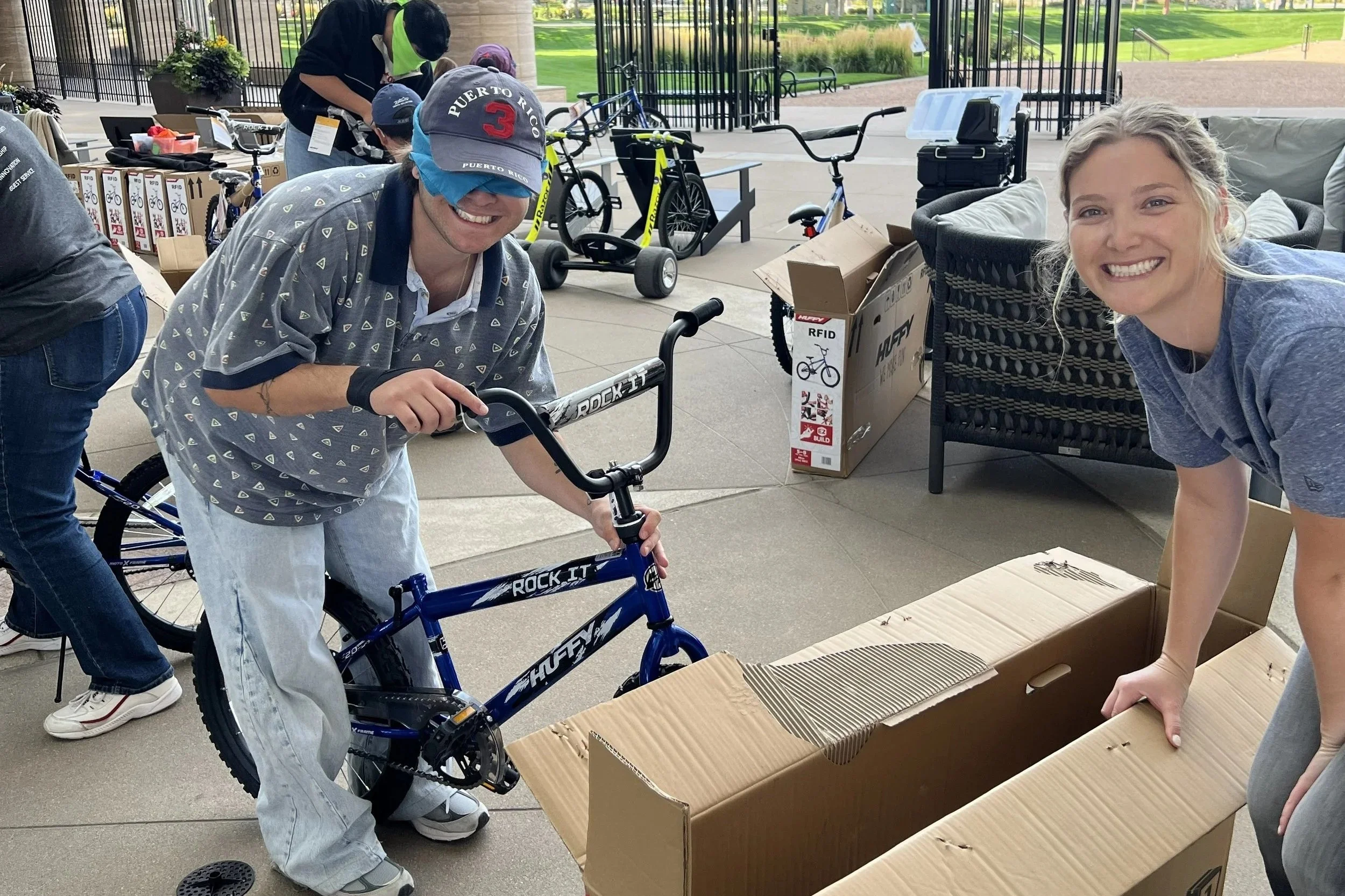
An effective team-building experience should create opportunities for employees to collaborate in meaningful ways. Instead of focusing only on entertainment, the best events emphasize shared goals, participation, and real outcomes.
Clear Shared Objective
Successful team-building programs provide a clear goal that participants can work toward together. When teams share a common purpose, collaboration becomes more natural and productive.
Hands-On Collaboration
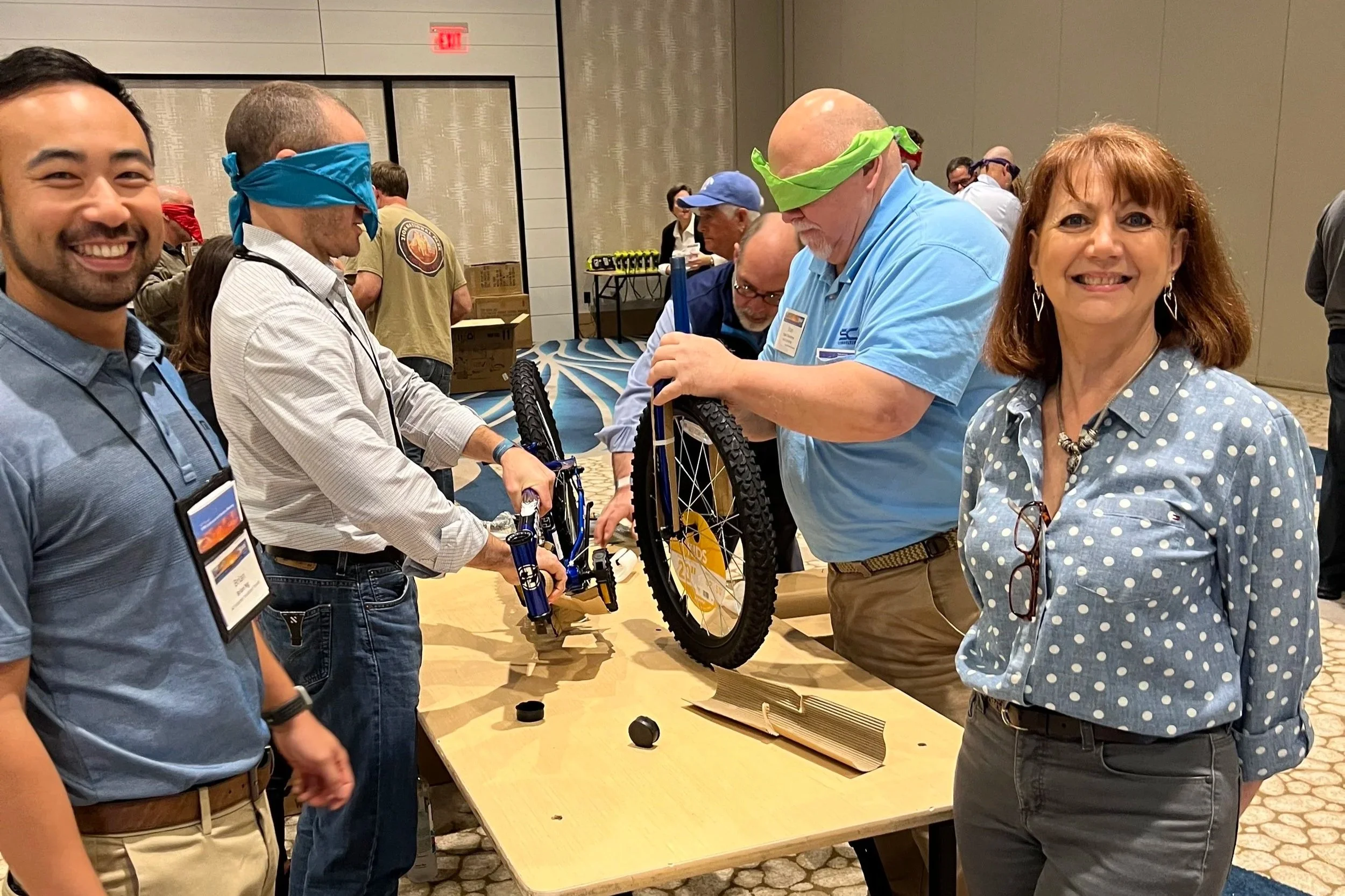
Interactive experiences tend to generate the most engagement. Activities that involve building, solving problems, or working toward a shared result encourage employees to actively participate.
Purpose also plays an important role. When employees understand that their efforts contribute to something meaningful, motivation increases and the experience becomes more memorable.
Meaningful Purpose
Activities that support charitable initiatives or community programs often resonate more strongly with participants. Employees are more likely to feel motivated when their efforts contribute to a meaningful cause.
Inclusive Participation
Effective team-building events create shared experiences that encourage employees to collaborate naturally. When participants work toward a common objective, communication improves and teams build stronger connections.
Memorable Experience
The most effective team-building events combine collaboration, participation, and meaningful outcomes into one cohesive experience.
Programs such as theWish for Wheels Bike Build & Give program offer a more impactful alternative by bringing teams together to work toward a shared goal while supporting their communities.
Key Factors to Consider When Selecting a Team Building Event
Organizations planning a team-building event should evaluate several important factors before selecting a program.
Alignment With Company Values
Many organizations are incorporating Practices for Corporate Social Responsibility into their employee engagement strategies. Choosing a team-building activity that supports community impact can help align employee experiences with company values.
Group Size Compatibility
Some activities work best with smaller groups, while others can accommodate large corporate gatherings. It is important to select an event that can scale appropriately for your team.
Level of Engagement
Activities that require teamwork, problem-solving, and creativity often generate stronger engagement than passive experiences.
Professional Facilitation
Experienced facilitators help guide participants, maintain energy throughout the event, and ensure that teams remain focused on their shared goals.
Tangible Results
Programs that produce visible outcomes, such as building something or contributing to a charitable initiative, tend to leave a stronger impression on participants.
The Rise of Purpose-Driven Team Building
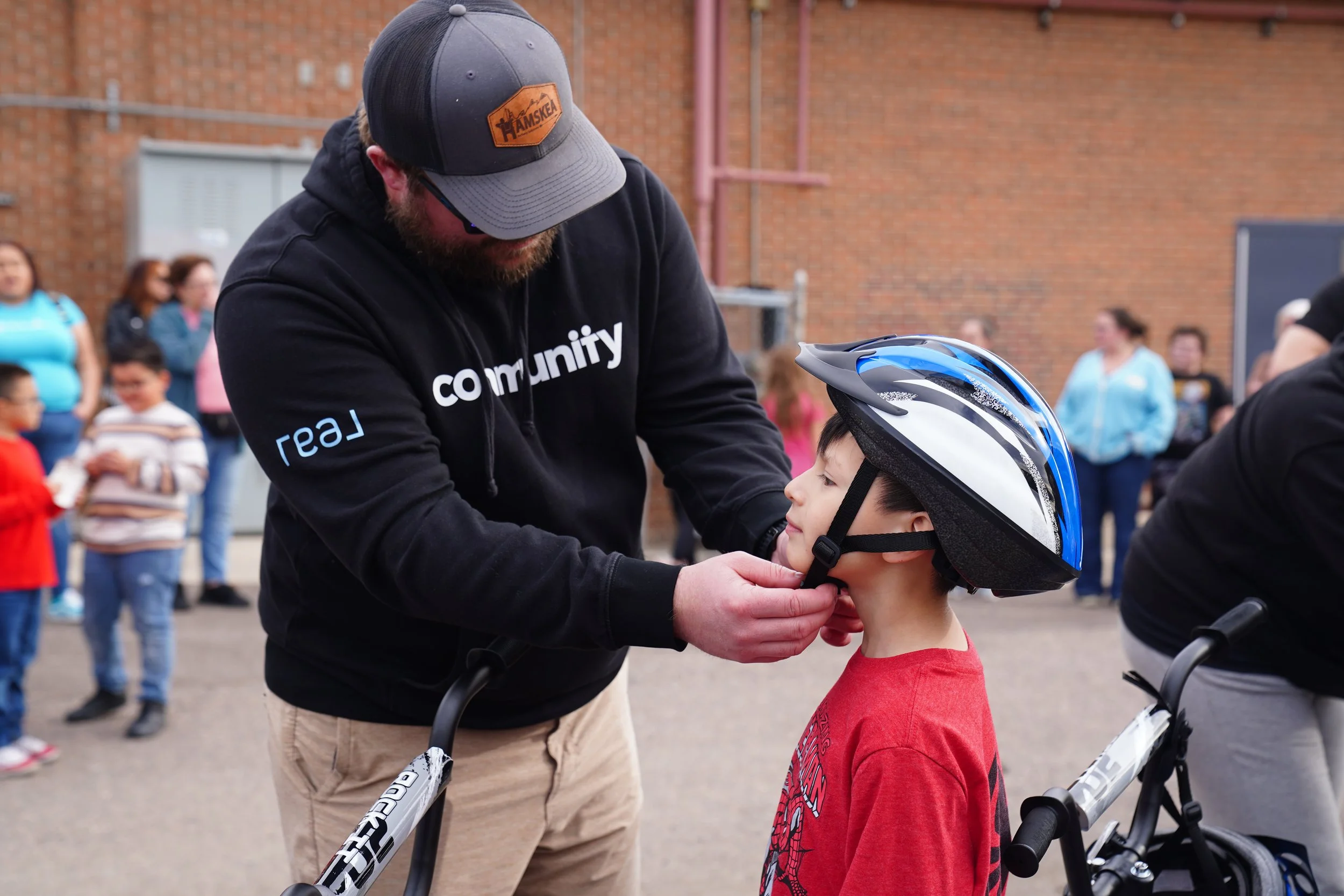
Purpose-driven team-building programs have gained popularity as organizations look for experiences that combine collaboration with meaningful outcomes.
When employees work together toward a shared goal that benefits others, engagement becomes more authentic and memorable. These experiences strengthen workplace relationships while supporting broader community initiatives.
One example of this approach is bike build team-building programs.
How Bike Build Programs Combine Teamwork and Community Impact
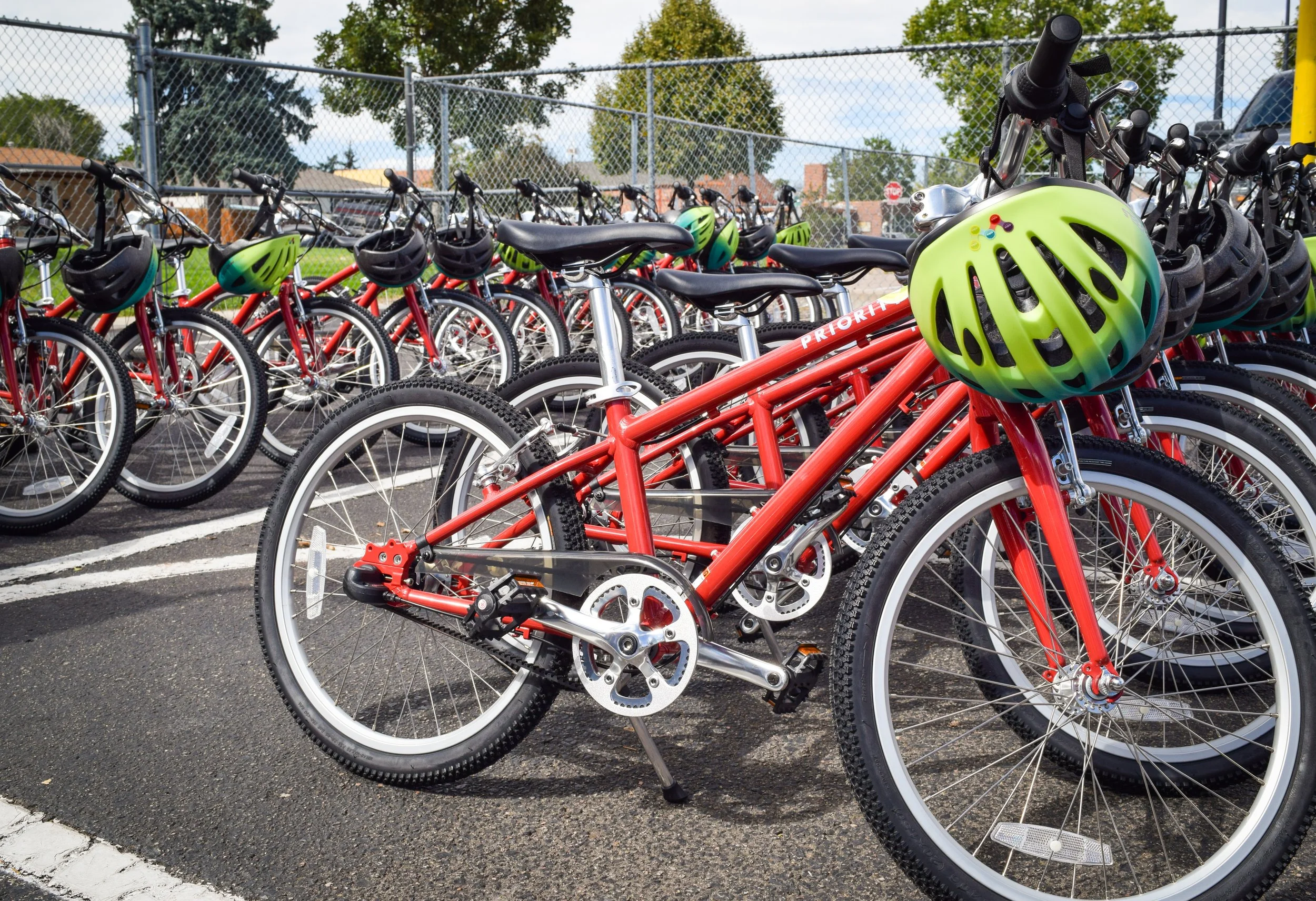
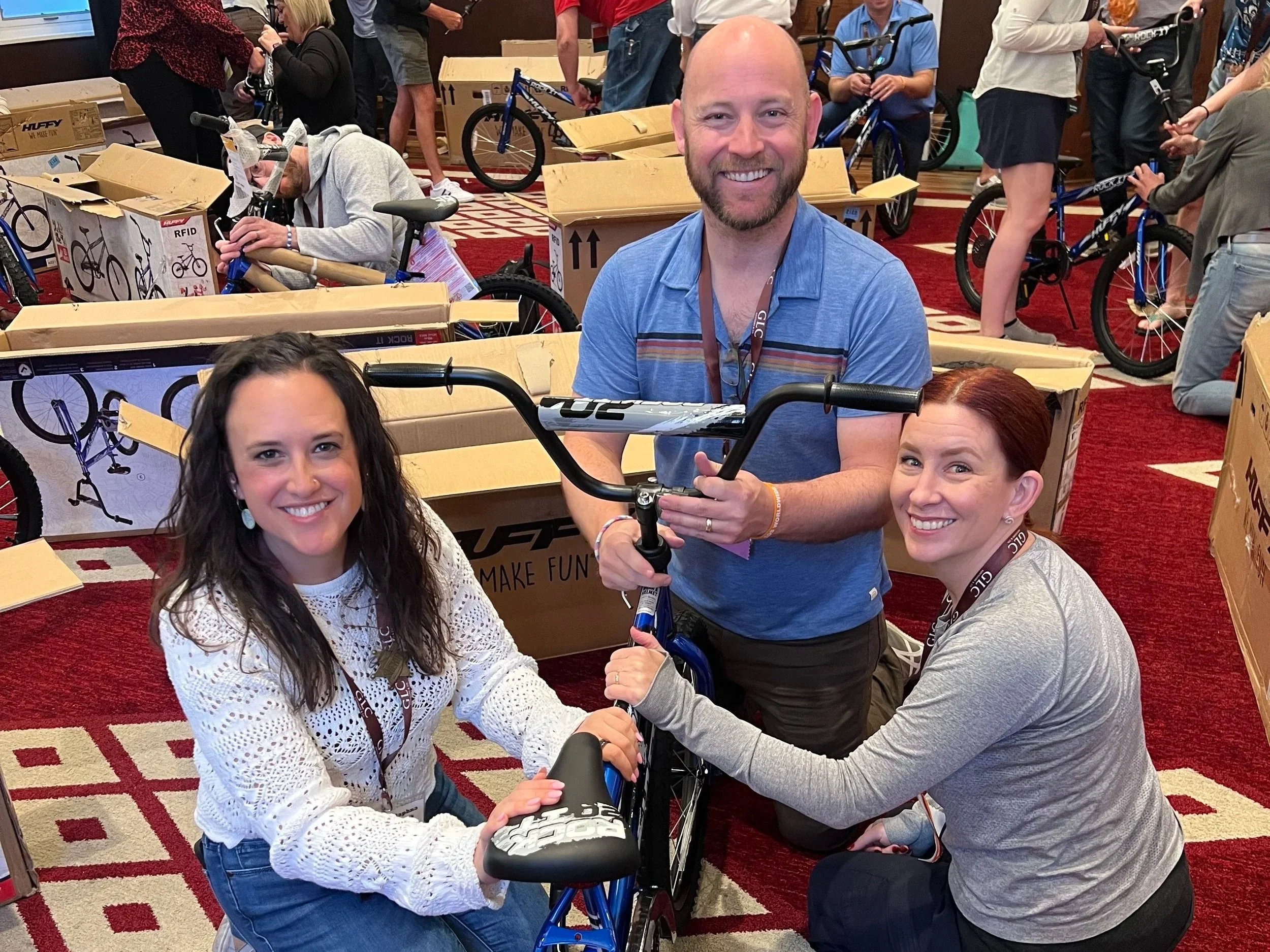
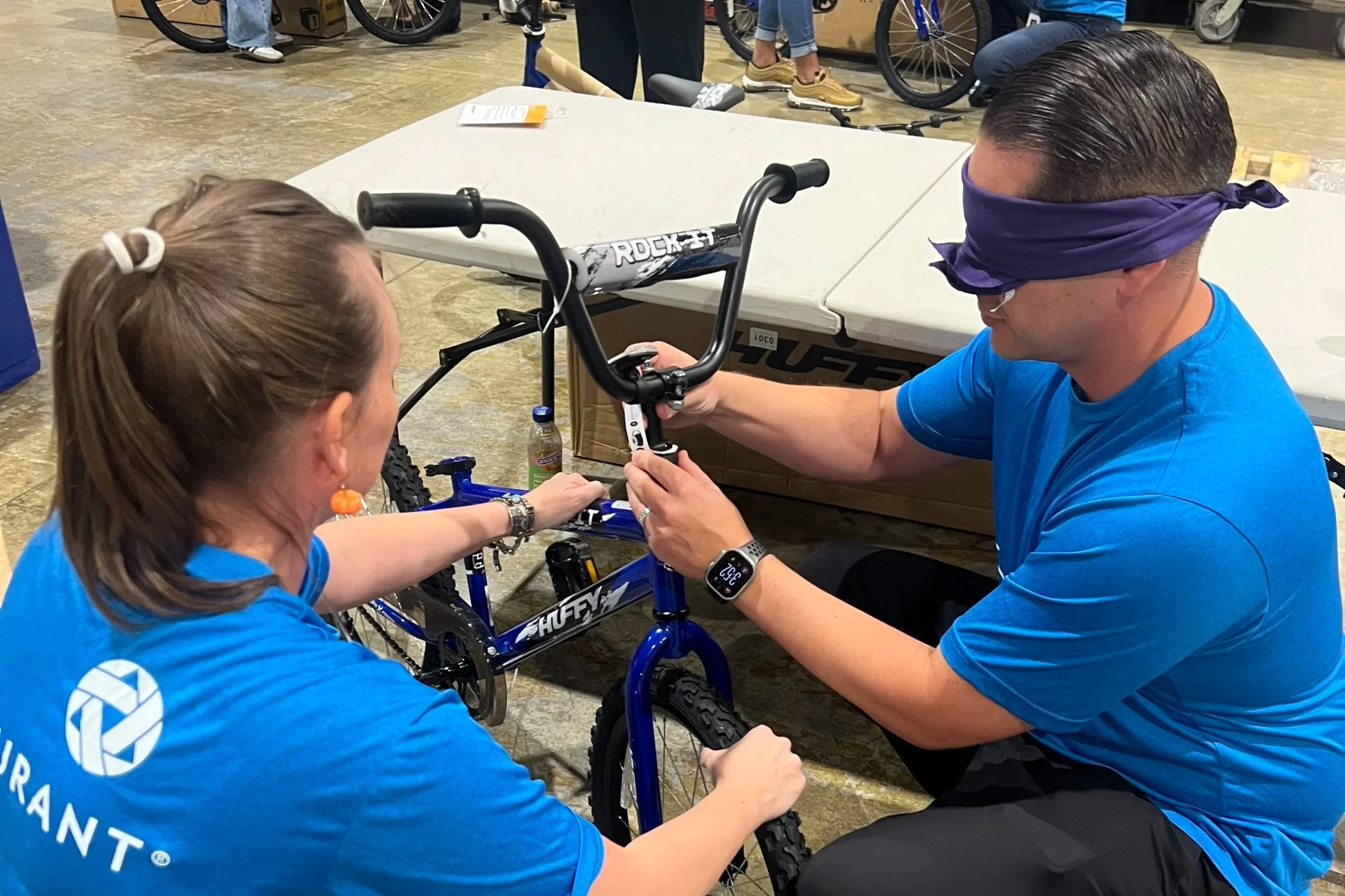
Bike build charity programs provide a powerful example of purpose-driven team building. Employees work together in teams during these events to assemble bicycles, which they will later donate to children in need.
The experience encourages communication, cooperation, and problem-solving as participants work together to complete each bicycle build.Unlike traditional team-building activities, these experiences produce a visible, shared outcome, something teams can point to and say, “we built that together.”
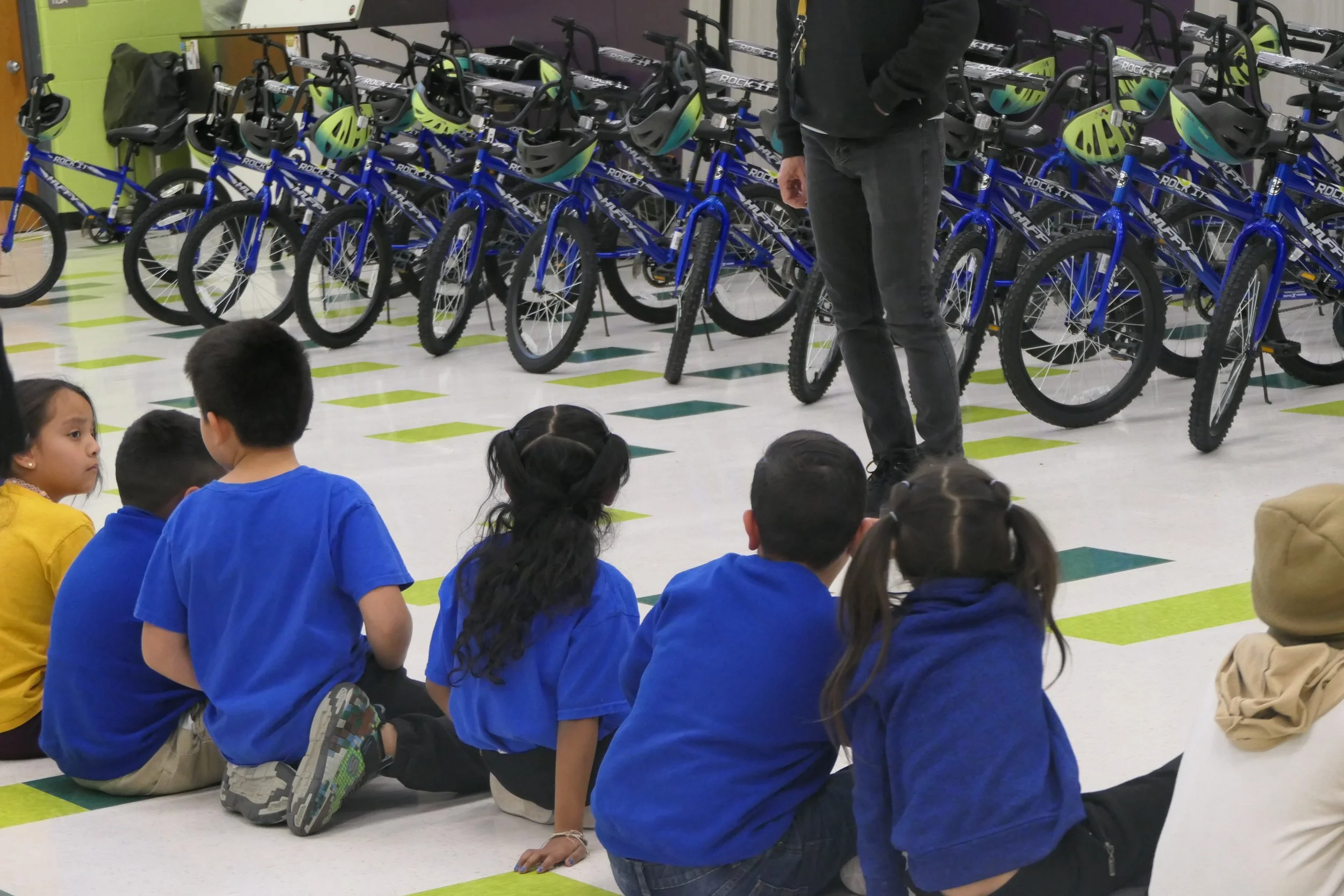
Often, these programs culminate in a presentation ceremony where participants witness the delivery of bicycles to children or community organizations. This moment helps employees connect their teamwork with the positive impact it creates.
These programs are available across multiple regions, allowing companies to host events across regions including Utah, California, and major cities like Houston.
Because bike build events combine collaboration, hands-on engagement, and meaningful impact, they have become one of the most effective modern team-building solutions for organizations seeking lasting results.
Why Organizations Choose Wish for Wheels
Organizations across industries such as technology and healthcare consistently choose Wish for Wheels because it delivers both engagement and measurable impact. Since 2004, Wish for Wheels has delivered thousands of bicycles through its Wish for Wheels Bike Build & Give program across the United States. Organizations partner with Wish for Wheels because the program combines meaningful community impact with professionally facilitated team-building experiences.
Key reasons organizations choose Wish for Wheels include
National Operation
Wish for Wheels delivers corporate bike build programs across multiple states, including Utah, California, Texas, Colorado, and other regions. This national reach allows companies with distributed teams to implement consistent engagement programs across offices.
Organizations from industries such as technology, healthcare, finance, and manufacturing partner with Wish for Wheels to align employee-engagement initiatives with community impact.
Hands-On Facilitation
Every event is guided by experienced Wish for Wheels facilitators who manage logistics, structure collaboration, and maintain energy throughout the build process.
Programs are designed to accommodate groups of many sizes, from small leadership teams to large corporate gatherings, while maintaining an engaging and well-organized experience.
Whenever possible, employees participate in the bicycle presentation itself, allowing teams to witness the immediate impact of their efforts and strengthening the connection between teamwork and community contribution.
Questions to Ask Before Booking a Team Building Event
Before choosing a corporate team-building program, organizations should evaluate several important questions.
Does the event encourage genuine collaboration between employees? Activities that require teamwork and problem-solving tend to create stronger engagement.
Is the experience inclusive for participants with different skills and personalities? The most successful programs allow everyone to contribute in meaningful ways.
Are experienced facilitators guiding the activity? Professional facilitators help maintain structure, engagement, and energy throughout the event.
Does the event align with company culture and community initiatives? Programs such as the Bike Build & Give program help organizations connect employee engagement with community impact.
Finally, does the activity produce a visible result that participants can take pride in? Tangible outcomes often create stronger and more memorable team experiences.
Moving Beyond Traditional Team Building
Traditional team-building activities can sometimes fall short of creating meaningful engagement. As workplace expectations evolve, organizations are increasingly searching for experiences that offer deeper impact.
The most effective team-building programs create shared experiences that strengthen relationships and improve how teams work together. When employees work together toward a meaningful goal, the experience can strengthen relationships and improve workplace culture.
Purpose-driven initiatives allow companies to combine employee engagement with community impact. By selecting programs that align teamwork with charitable causes, organizations can create experiences that benefit both their employees and their communities.
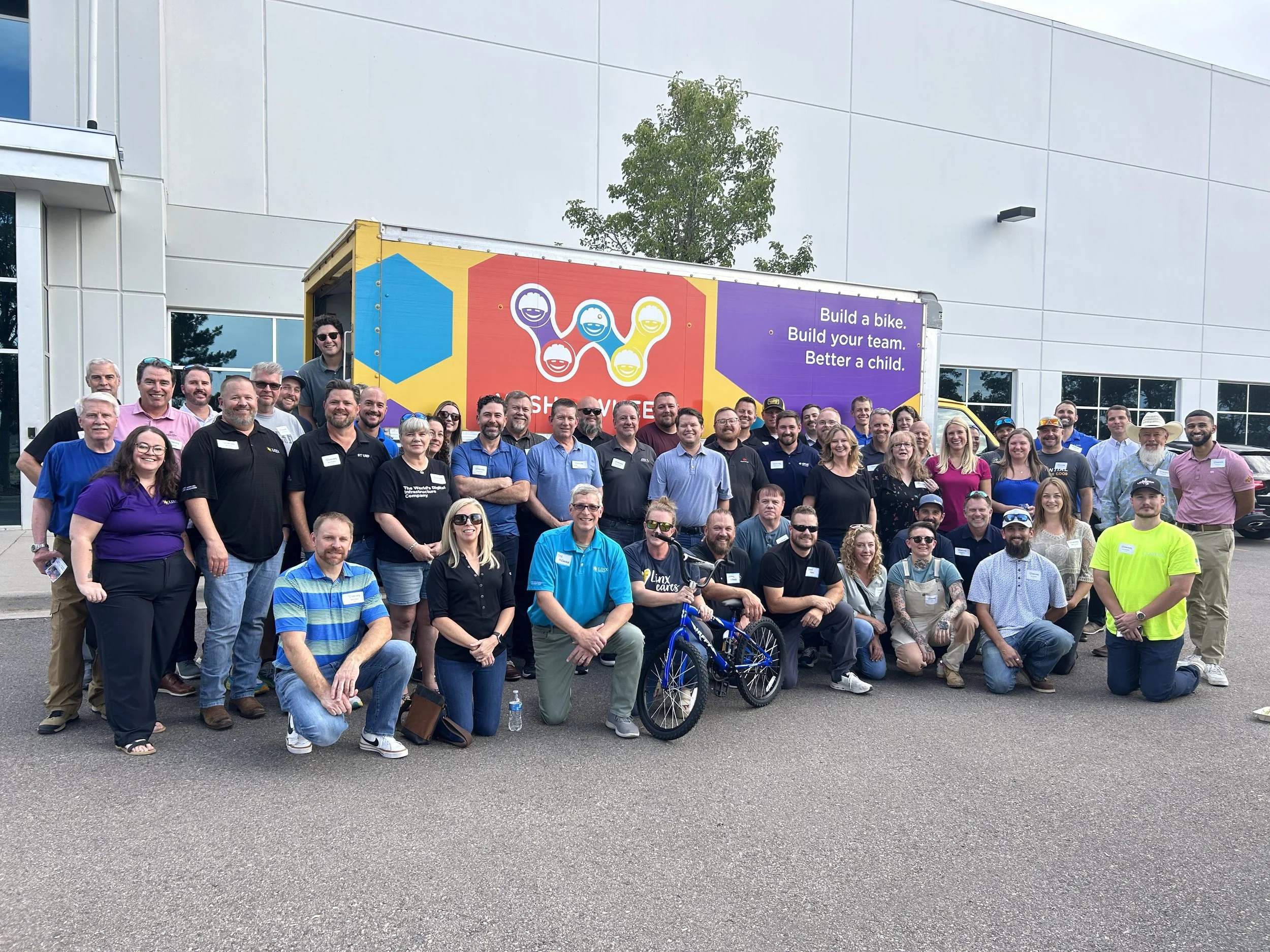
For many companies, programs like bike build events demonstrate how modern team-building can combine collaboration, purpose, and lasting impact.
Conclusion
Choosing the right corporate team-building event requires more than selecting an activity that fills time on the calendar. The most effective experiences encourage meaningful collaboration, strengthen communication, and create lasting engagement among employees.
As organizations move beyond traditional formats, many are turning to purpose-driven team-building experiences that combine teamwork with real-world impact. These programs not only help employees connect with one another but also create shared accomplishments that teams remember long after the event ends. The right team-building experience doesn’t just engage employees in the moment but it creates a lasting connection between teams, purpose, and impact.
The Wish for Wheels Bike Build & Give program offers one such approach by combining hands-on collaboration with meaningful community contribution. By working together toward a shared goal, employees strengthen relationships while supporting children and families in their communities.
FAQs
What makes a corporate team-building event effective?
Events that encourage collaboration, participation, and shared goals tend to be most effective.Why do some team-building activities fail?
Activities without clear purpose or engagement often create short-term results.What are purpose-driven team-building programs?
Programs that combine teamwork with community impact.How do bike build team-building events work?
Teams assemble bicycles that are donated to children in need.Can corporate bike build programs support large teams?
Yes, most programs accommodate both small and large groups.How do team-building events support corporate social responsibility?
Organizations can select activities that contribute to community initiatives or charitable causes, aligning employee engagement with CSR strategies.Are charity bike build events available in different locations?
Yes, many programs operate across multiple regions.
