
Employee Engagement Through Community Service: Why It Works
Introduction: The Growing Importance of Employee Engagement
Employee engagement directly impacts productivity, retention, and workplace culture. Yet many organizations still struggle to create experiences that truly connect employees, especially as teams become more distributed.
Traditional engagement strategies often fall short because they fail to create meaningful experiences that employees remember. As a result, companies are increasingly exploring community service initiatives that bring employees together while creating measurable outcomes for both teams and communities.
By integrating service-based experiences into employee engagement strategies, organizations can strengthen collaboration, improve morale, and foster stronger workplace connections.
What Employee Engagement Really Means Today
Employee engagement today extends beyond traditional perks and benefits. Employees increasingly value experiences that foster collaboration, support well-being, and align with company values.
Organizations that prioritize engagement often see improvements in retention, reduced burnout, and stronger team experience across teams. These factors have become especially important in hybrid and remote work environments, where maintaining connection requires more intentional effort.
These expectations reflect broader Workplace Culture Trends shaping modern organizations. Employees want to know that their work matters and that their company contributes positively to society. When employees feel connected to a larger purpose, they are more likely to remain motivated and engaged.
Community service programs offer one way to strengthen engagement by creating shared experiences that bring employees together outside their daily responsibilities.
Why Community Service Strengthens Employee Engagement
Community service initiatives help employees collaborate in new ways while supporting their communities. These experiences often strengthen relationships, improve communication, and increase engagement.

Employees also benefit from working toward shared goals outside their usual responsibilities. These experiences can build stronger connections between teams and departments.
Organizations that integrate community service into their engagement strategies often see improved morale, stronger collaboration, and increased employee satisfaction.
Corporate Social Responsibility and Engagement
Corporate social responsibility (CSR) plays an increasingly important role in shaping employee engagement strategies. Companies that prioritize social impact often experience improved morale, stronger recruitment outcomes, and greater long-term loyalty from employees.
Integrating volunteer programs into Practices for Corporate Social Responsibility allows organizations to align their internal culture with their public commitments. Employees who see their company investing in community initiatives often feel proud to be part of the organization.
CSR programs also provide opportunities for employees to actively participate in the company’s mission. Instead of simply observing corporate giving initiatives, employees can directly contribute through volunteer activities and service-based events.
These programs not only benefit communities but also create meaningful experiences that strengthen workplace relationships and team experience.
Why Team-Based Community Service Drives Better Engagement
Not all community service programs create the same level of engagement. While individual volunteering opportunities can be valuable, structured team-based experiences often produce stronger outcomes. When employees collaborate toward a shared goal and see a visible result, the experience becomes more meaningful, memorable, and impactful for both teams and communities.

How Hands-On Service Projects Improve Team Dynamics
Hands-on volunteer activities often produce stronger engagement outcomes than passive initiatives. When employees actively participate in meaningful projects, they build trust, improve communication, and develop new problem-solving skills.
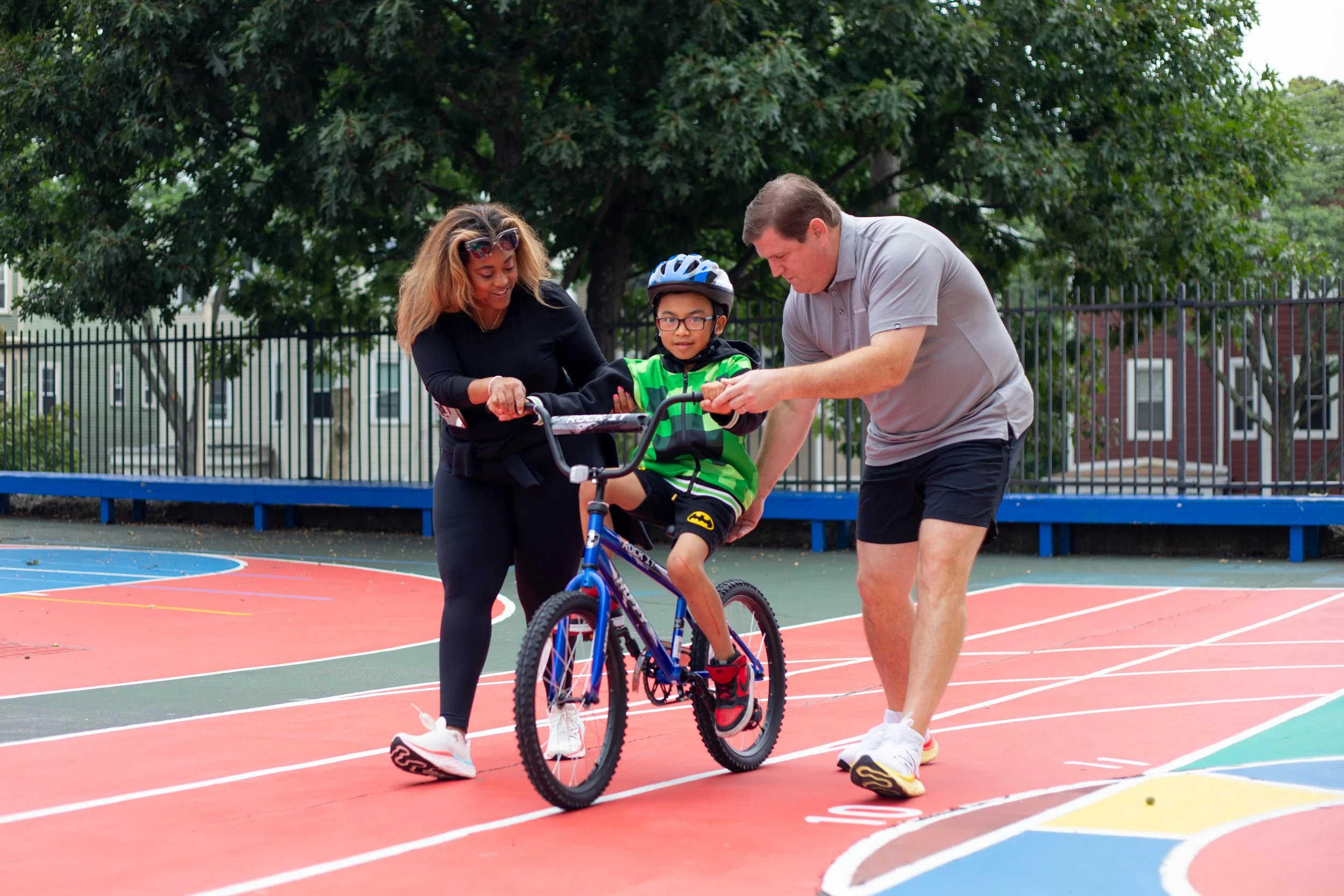
Team-based volunteer experiences encourage collaboration in a relaxed environment where employees can interact outside their normal roles. These interactions can strengthen relationships between departments and create a stronger sense of unity across the organization.
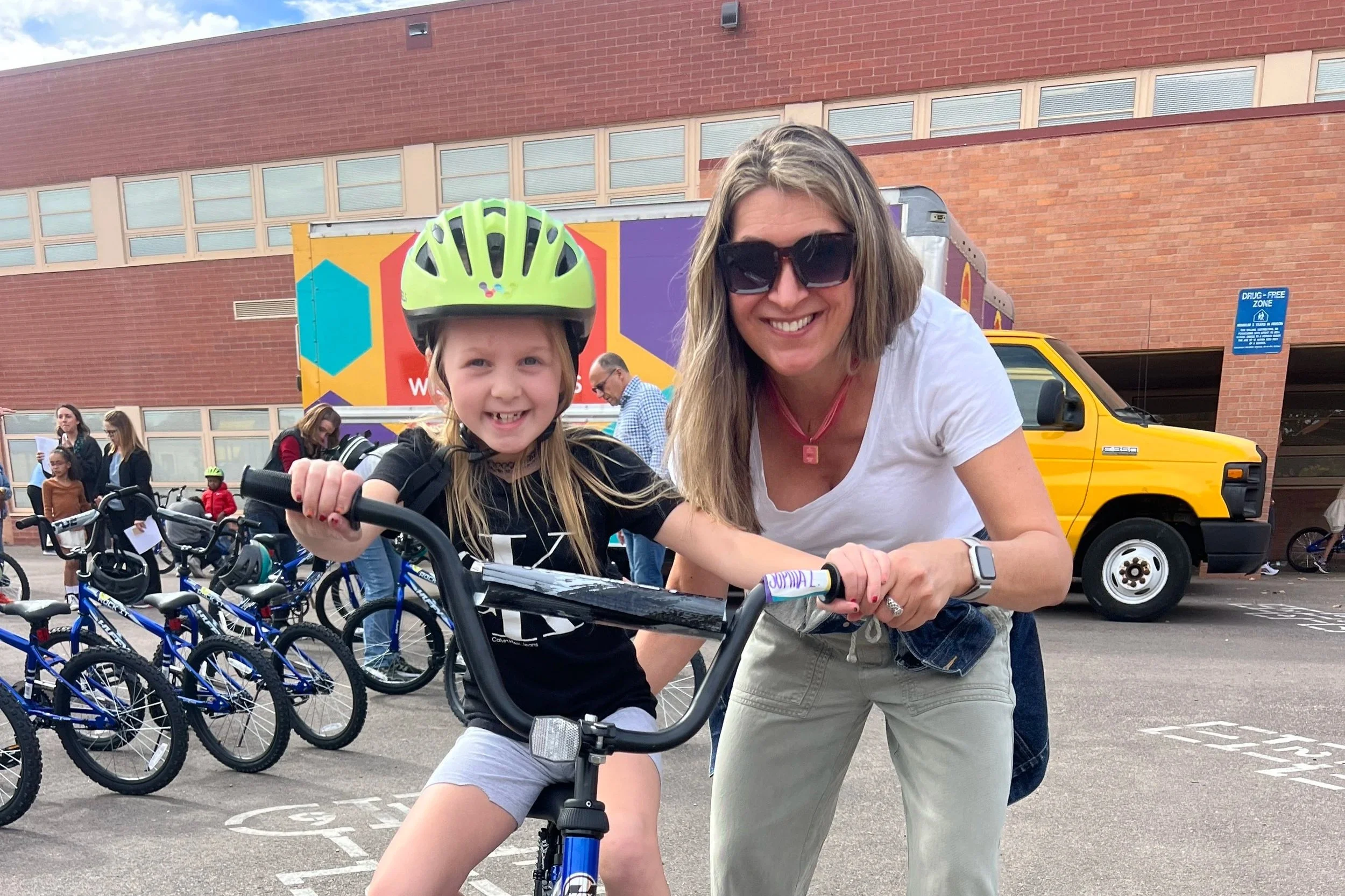
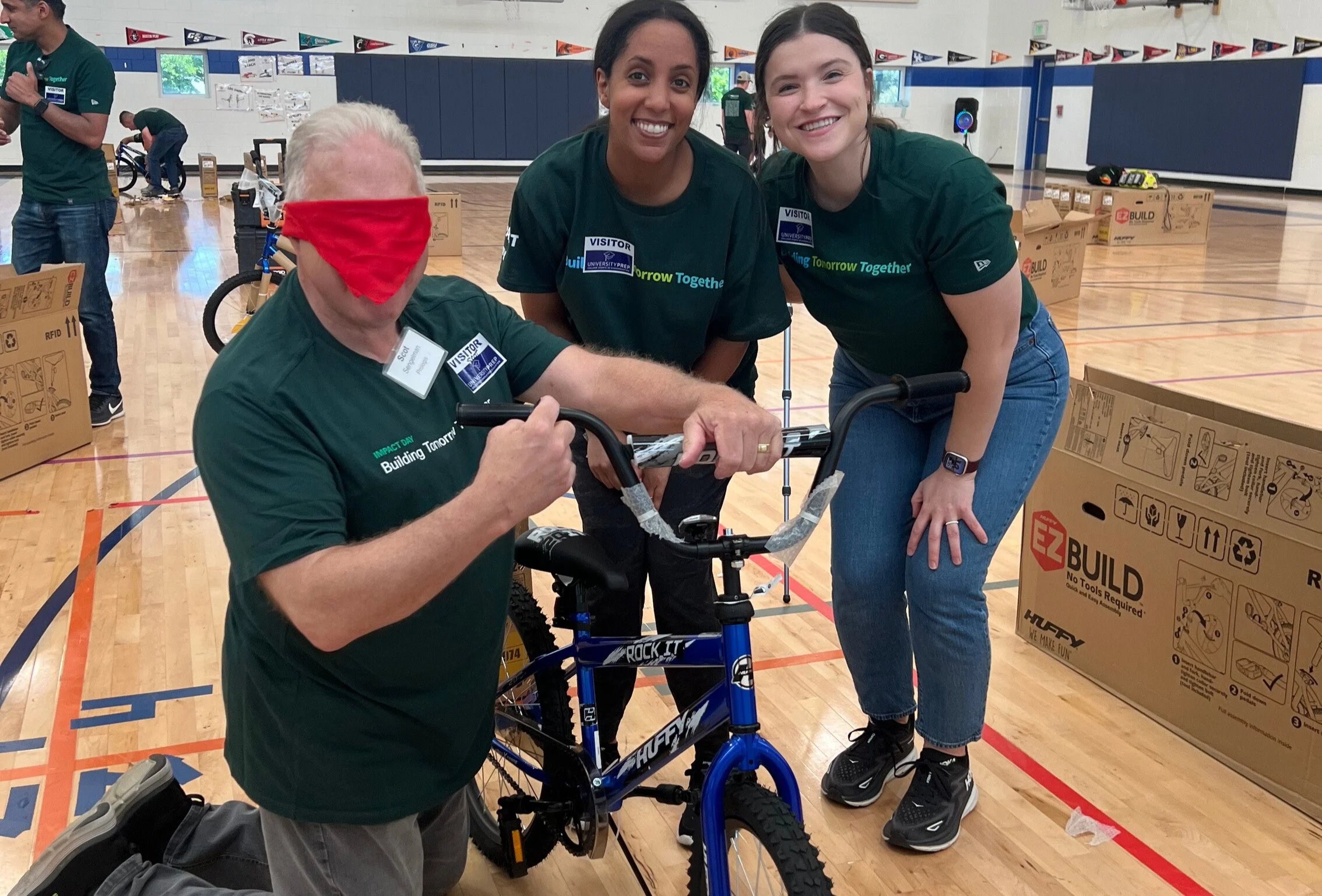
One popular example of hands-on engagement is the Wish for Wheels Bike Build & Give program, where employees work together to assemble bicycles for children in need. These events combine teamwork with community impact, allowing employees to assemble bicycles that are later donated to children in need.
Through collaborative activities like these, employees experience the satisfaction of working together while contributing to a meaningful cause.
Bike Build Charity Programs as an Employee Engagement Strategy
Charity bike build programs have become increasingly popular among organizations seeking innovative ways to engage employees while supporting local communities.
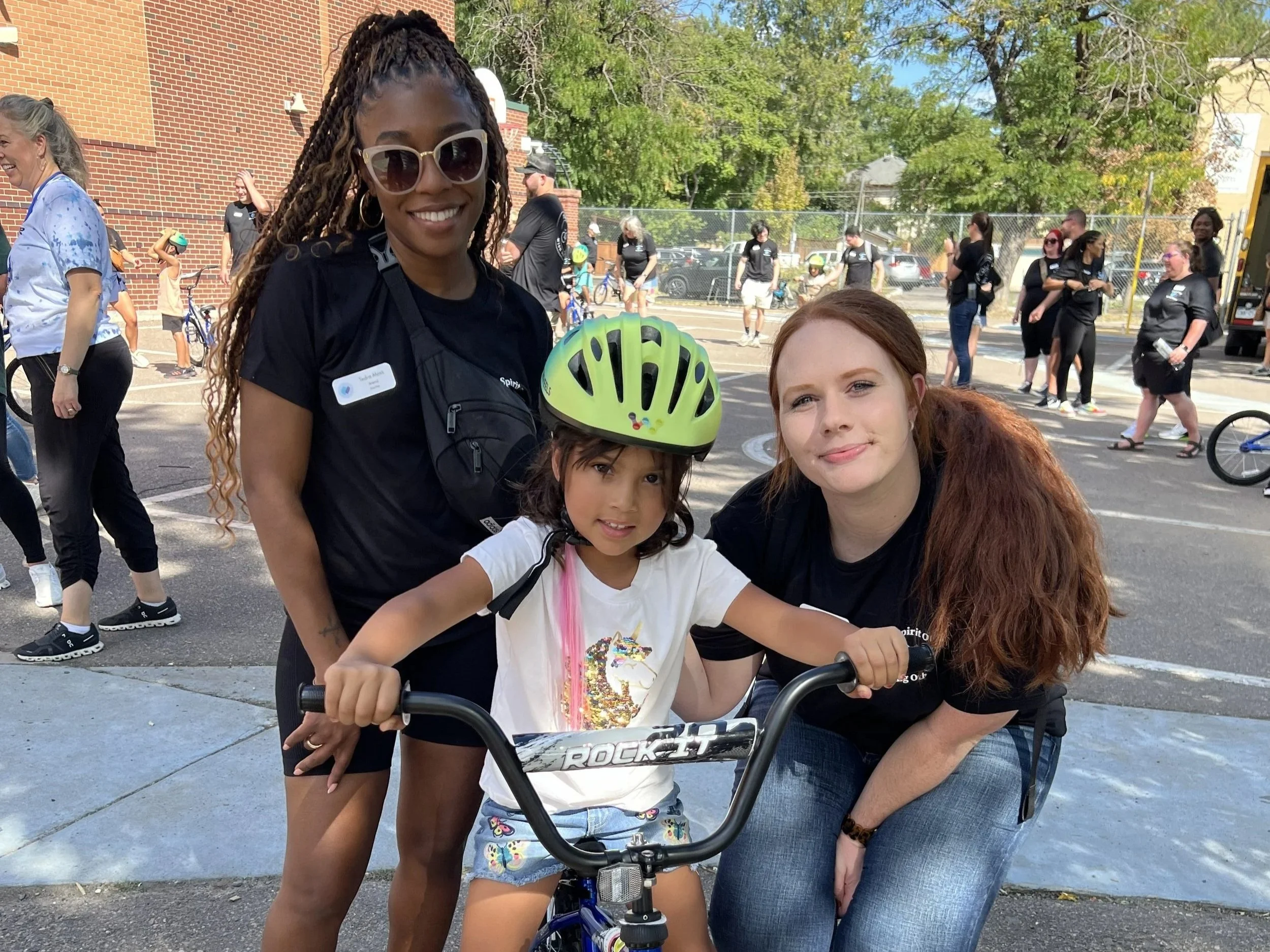
In these programs, employees work together in small teams to assemble bicycles that are later donated to children and families. Unlike traditional team-building activities, these experiences produce a visible, shared outcome that teams can point to and say, “we built that together.”
Organizations that invest in Philanthropic Team Building initiatives often find that these programs create lasting memories for participants. Employees leave the event feeling energized, connected to their colleagues, and proud of the impact they helped create.
The combination of teamwork and community impact makes charity bike build programs particularly effective for strengthening employee engagement.
Because bike build events combine team experience, hands-on engagement, and visible outcomes, they have become one of the most effective employee engagement solutions for organizations seeking lasting results.
Regional Corporate Engagement Programs
Organizations across industries consistently choose Wish for Wheels because it delivers both employee engagement and measurable community impact. Community-based initiatives offer flexibility, allowing companies to host events across regions including Utah,California, as well as cities like Houston, and Denver while maintaining a consistent employee experience.
This flexibility makes community service programs ideal for distributed teams and multi-location organizations.
Why Organizations Choose Wish for Wheels
Since 2004, Wish for Wheels has delivered thousands of bicycles through its Wish for Wheels Bike Build & Give program across the United States. Organizations partner with Wish for Wheels because the program combines professional facilitation with meaningful employee engagement experiences.
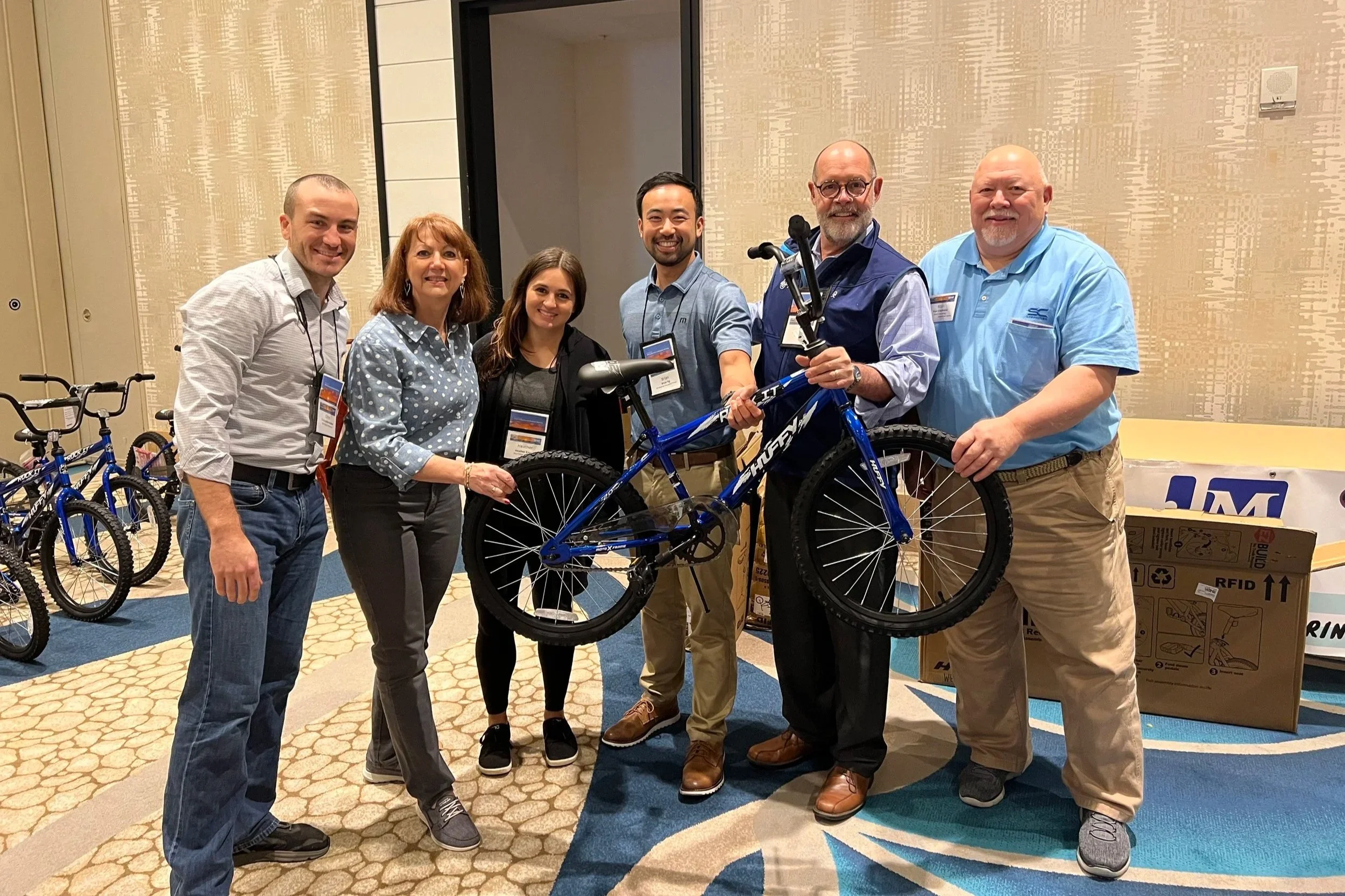
Key reasons organizations choose Wish for Wheels include
National Operation
Wish for Wheels delivers corporate bike build programs across multiple states, including Utah, California, Texas, Colorado, and other regions. This national reach allows companies with distributed teams to implement consistent engagement programs across offices.
Corporate Partnerships
Organizations from industries such as technology, healthcare, finance, and manufacturing partner with Wish for Wheels to align employee-engagement initiatives with community impact.
Hands-On Facilitation
Every event is guided by experienced Wish for Wheels facilitators who manage logistics, structure collaboration, and maintain energy throughout the build process.
Event Scalability
Programs are designed to accommodate groups of many sizes, from small leadership teams to large corporate gatherings, while maintaining an engaging and well-organized experience.
Direct Delivery Experience
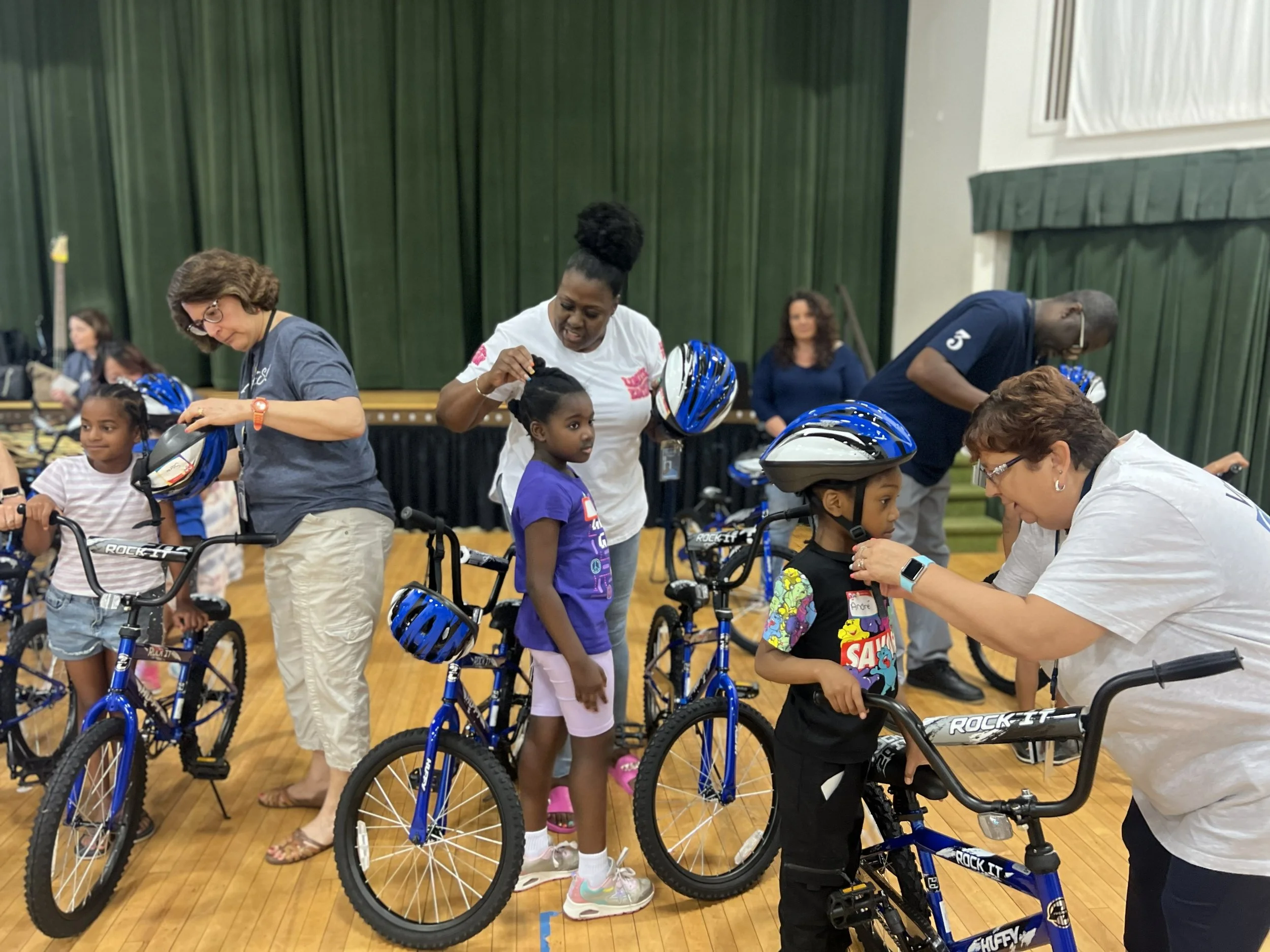
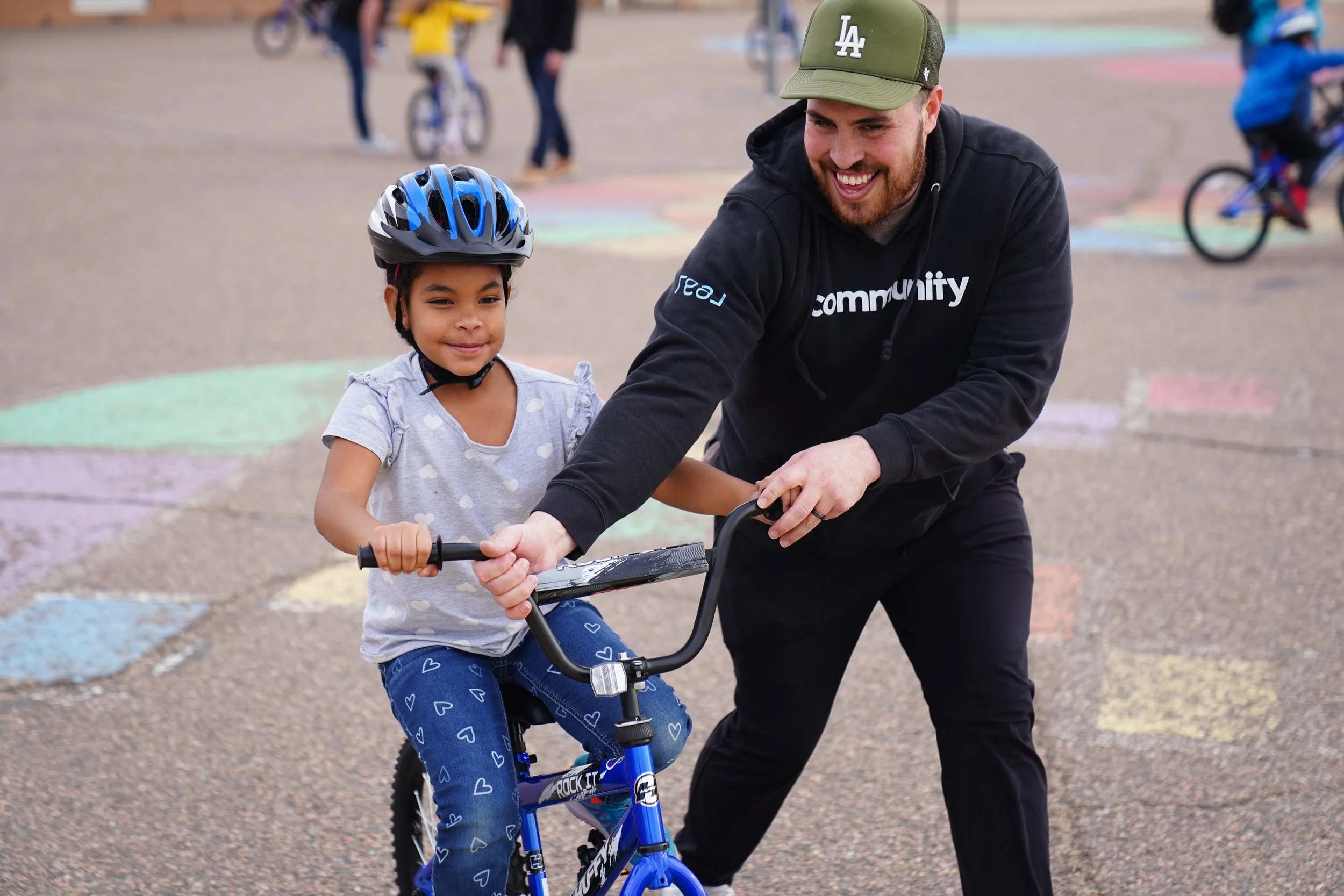
Whenever possible, employees participate in the bicycle presentation itself, allowing teams to witness the immediate impact of their efforts and strengthening the connection between teamwork and community contribution.
The Measurable Benefits of Community-Based Engagement
Community-focused engagement initiatives provide measurable benefits for organizations. Companies that implement volunteer programs often experience improvements in employee morale, retention, and collaboration.
Employees who participate in meaningful service projects often report greater satisfaction with their workplace. These experiences can strengthen relationships among colleagues and improve communication across teams.
Many organizations also incorporate volunteer events alongside the other 6 Fun Employee Engagement initiatives, creating a balanced engagement strategy that includes both social activities and meaningful service opportunities.
When employees see the tangible results of their efforts, such as a child receiving a new bicycle, it reinforces the value of teamwork and strengthens their connection to the company.
How Companies Can Implement Community Service Programs
Organizations interested in improving employee engagement through community service can start with a simple strategy. The key is choosing programs that are easy to implement while encouraging participation across teams.
Identify Engagement Goals
Determine whether the focus is team-building, CSR initiatives, or community outreach.
Choose Meaningful Partnerships
Partnering with established nonprofits ensures that volunteer efforts create meaningful impact.
Encourage Team Participation
Invite employees from multiple departments to participate, encouraging team experience and new connections.
Support Leadership Involvement
When leadership participates in volunteer activities, it reinforces the importance of community impact.
Measure the Impact
Evaluate participation rates, employee feedback, and community outcomes to understand the program’s effectiveness.
Programs such as charity bike builds provide a structured and engaging way to combine teamwork with social impact.
Conclusion: Purpose-Driven Engagement Creates Lasting Impact
Employee engagement is strongest when employees feel connected to their work and to one another. Community service initiatives provide an effective way to strengthen collaboration while supporting meaningful causes.

Programs such as the Wish for Wheels Bike Build & Give program allow employees to work together toward shared goals while making a positive impact. These experiences create stronger workplace relationships and improve overall engagement.
By integrating community service into employee engagement strategies, organizations can create experiences that benefit both their teams and their communities.
Frequently Asked Questions
Why does community service improve employee engagement?
Community service encourages teamwork while supporting meaningful causes.How do charity bike build programs support team-building?
Teams collaborate to assemble bicycles, encouraging communication and problem-solving.What role does corporate social responsibility play in employee engagement?
CSR initiatives connect employees to meaningful community impact.Are volunteer programs effective for distributed teams?
Yes, many programs can be implemented across multiple locations.What types of companies benefit most from community service initiatives?
Organizations across industries benefit from volunteer programs.How often should companies organize employee engagement events?
Many companies host quarterly or annual engagement activities.What makes Wish for Wheels programs unique?
Wish for Wheels combines team-building with community impact.
