
Charity Bike Builds for Corporate Teams: The Complete 2026 Guide
Introduction: Why Corporate Giving Is Evolving
Charity bike builds are quickly becoming one of the most effective ways to combine corporate team building with meaningful social impact. As companies look for more engaging and purpose-driven experiences, these events are helping organizations improve employee engagement while giving back to the community.
According to Gallup, only 23% of employees worldwide are actively engaged at work, highlighting the need for more meaningful workplace experiences. This is why many organizations are moving toward purpose-driven initiatives like charity bike builds that create both internal engagement and external impact.
For many organizations, the opportunity to build a bike for charity creates a unique experience where employees feel both engaged and connected to a meaningful cause.
What Is a Charity Bike Build?
A charity bike build is a structured team-building event where employees work together to assemble bicycles that are then donated to children in underserved communities.
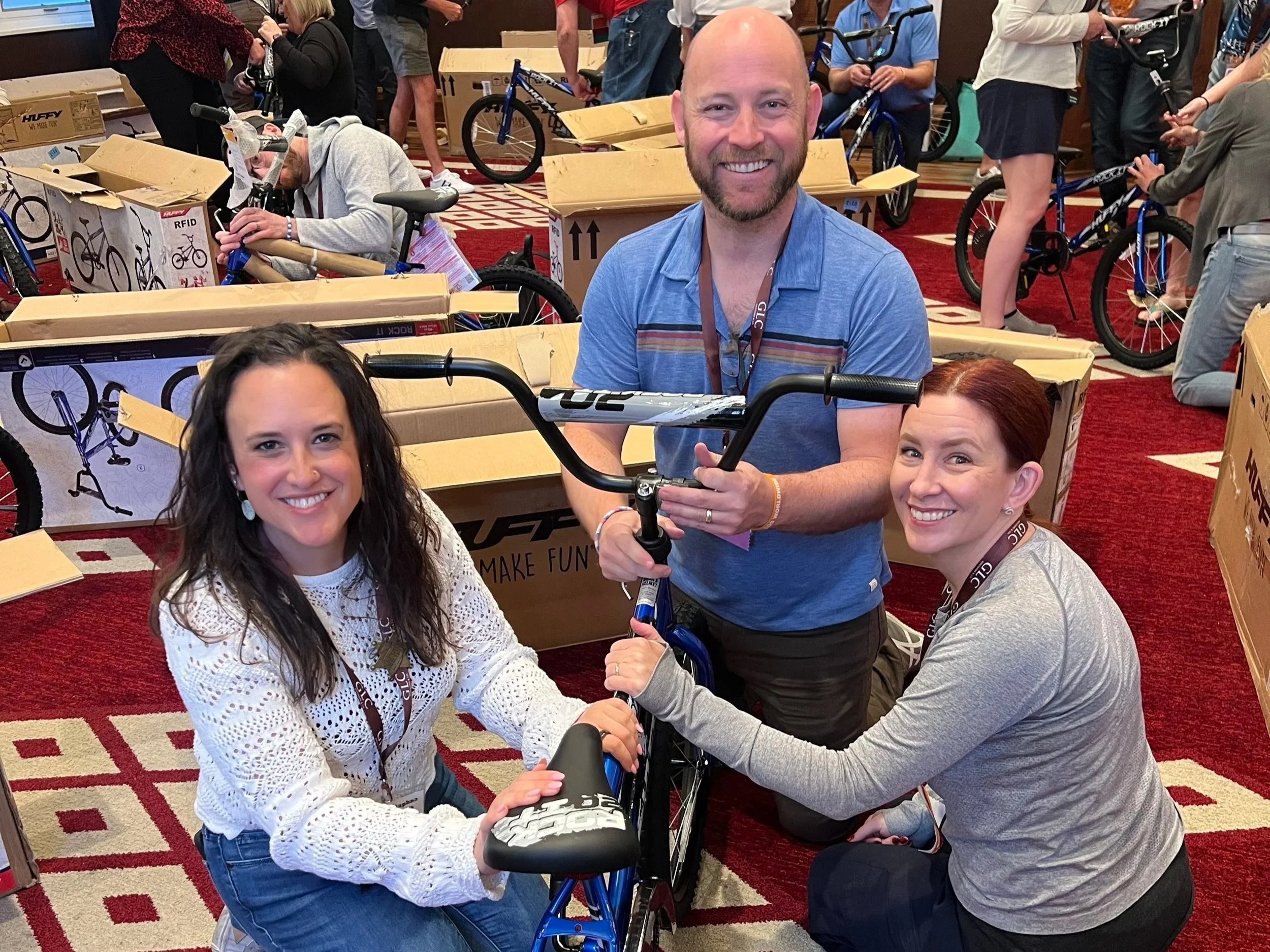
But it is more than just building bikes.
It is an experience that blends the following:
Hands-on collaboration
Shared purpose
Tangible community impact
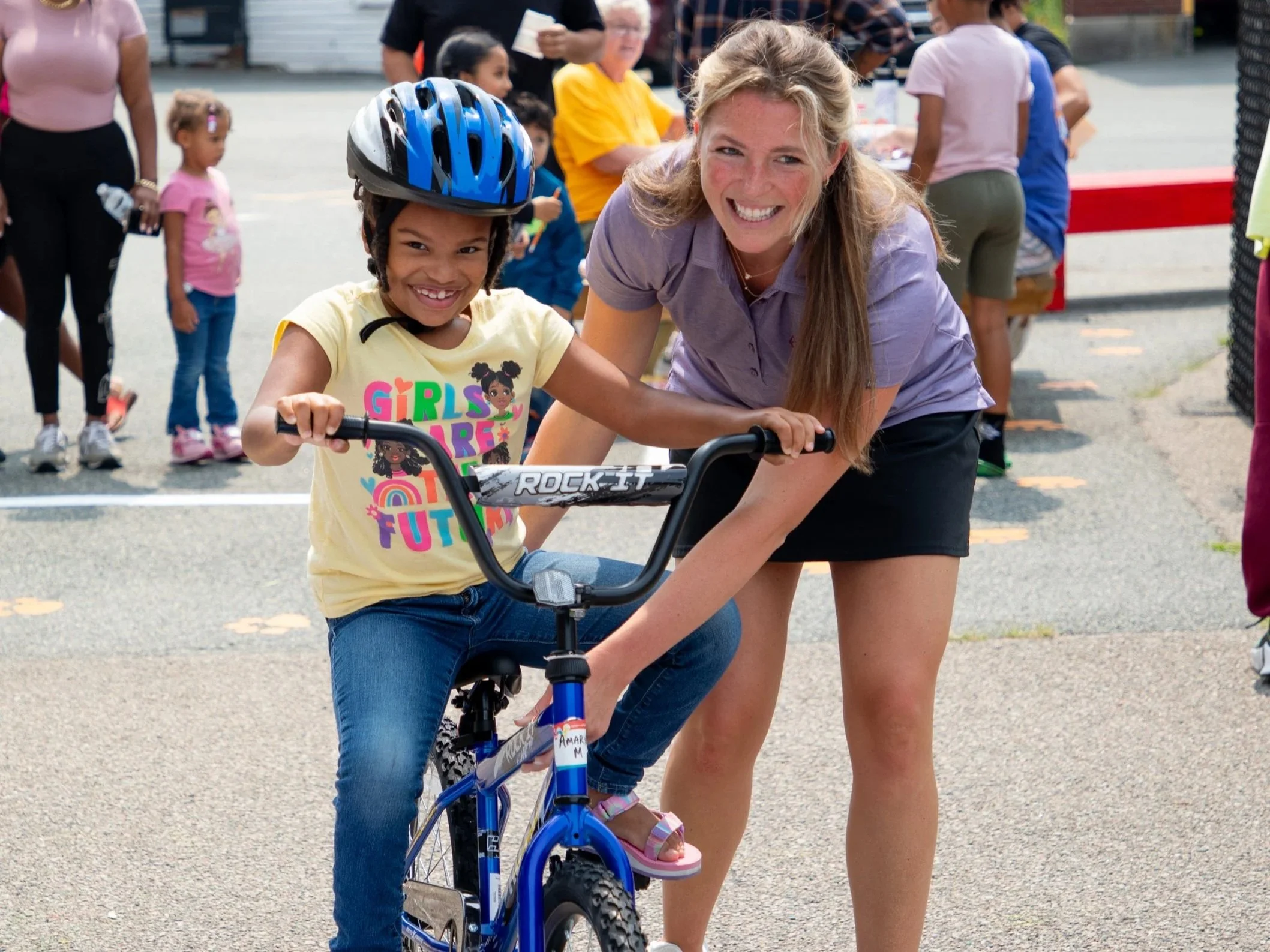
Programs like the Bike Build & Give initiative allow companies to directly connect their team’s effort with a real outcome. A brand-new bike and helmet are placed into the hands of a child who needs it. This simple but powerful outcome helps employees connect their teamwork to something real and meaningful. Instead of participating in an activity that ends when the session is over, they become part of a lasting community impact that creates genuine pride and motivation.
When employees build a bike for charity, they are not just completing a task; they are contributing to a real outcome that directly impacts a child’s life.
Why Traditional Team-Building Falls Short
For years, corporate team-building followed a familiar pattern:
Trust falls
Icebreaker games
Escape rooms
Workshops with limited long-term impact
While these activities may offer short-term engagement, they often fail to create lasting value.
The reality is simple. Employees remember how something felt, not just what they did.
When activities lack meaning, they are quickly forgotten.
That is why many organizations are shifting away from purely recreational team-building toward purpose-driven experiences.
Employees today value experiences that reflect company values and create a sense of purpose. Events that combine collaboration with social impact are more likely to improve morale, strengthen workplace relationships, and leave a lasting impression across teams.
The Rise of Purpose-Driven Team-Building
Companies are recognizing an important shift.
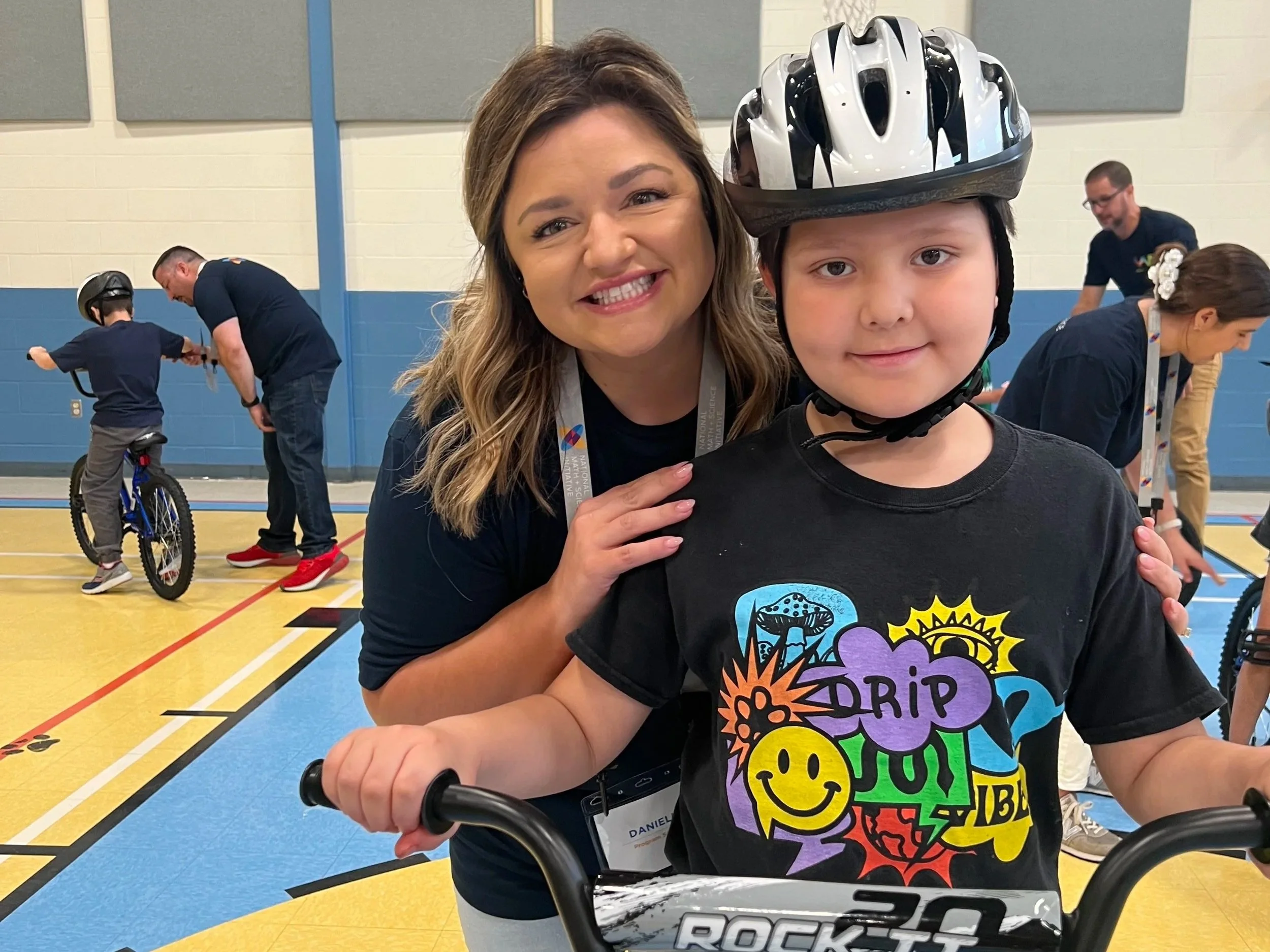
Engagement increases when employees feel their work contributes to something meaningful.
Purpose-driven team-building creates:
Stronger emotional connection
Increased motivation
A deeper sense of belonging
Charity bike builds sit at the intersection of employee engagement, corporate social responsibility, and community impact.
They transform team-building from a checkbox activity into a shared mission.
Experiences like this allow employees to build a bike for charity while strengthening team connections and contributing to a shared purpose.
How Charity Bike Builds Work
Most corporate bike build events follow a structured and engaging format.
Team Formation
Employees are divided into small groups to encourage collaboration and communication.
Build Challenge
Teams assemble bikes using provided tools and instructions. Some events include light competition or creative elements.
Quality Check
Each bike is inspected to ensure safety and functionality.
The Impact Moment
This is where the experience becomes meaningful. In many programs, including the Bike Build & Give experience, teams witness the direct impact through a bike reveal or delivery to children.
This moment often becomes the most memorable part of the event.
For many teams, this is the moment when they truly understand what it means to build a bike for charity and witness the real impact of their work.
Interested in bringing this experience to your team? Start planning a charity bike build event that delivers real impact.
How Much Does a Charity Bike Build Cost? The cost of a charity bike build event can vary depending on group size, customization, and program format. On average, organizations can expect to invest based on the number of participants and bikes being donated.
Typical cost factors include:
Number of participants and teams
Number of bikes being built and donated
Event facilitation and logistics
Custom branding or program enhancements
While pricing varies, many companies view this as both a team-building investment and a corporate social responsibility initiative that delivers measurable engagement and community impact. Want a clearer estimate for your team? Plan a charity bike build that fits your budget and goals.
How to Choose a Charity Bike Build Vendor
Choosing the right partner is critical to the success of your event. A reliable vendor should offer both a structured team-building experience and a meaningful charitable outcome.
When evaluating vendors, consider:
Experience with corporate team-building events
Quality and safety of the bikes provided
Partnership with reputable charities
Ability to scale events for different group sizes
Customization options based on company goals
A strong vendor will not only manage logistics but also help create an engaging and impactful experience for your team.
Looking for the right partner? Get in touch to plan your charity bike build and create a meaningful experience for your team.
Group Size and Event Logistics
Charity bike builds are flexible and can be designed for different team sizes.
Small teams (20–50 participants) benefit from a more intimate and collaborative experience.
Mid-sized groups (50–150 participants) often include structured team challenges and multiple build stations.
Large-scale events (200+ participants) require careful coordination, facilitation, and logistics planning.
Planning for space, materials, and timing ensures a smooth and successful event regardless of size.
When to Plan a Charity Bike Build Event
Most organizations plan charity bike builds several weeks in advance to ensure proper coordination and customization.
Best times to host these events include:
Annual team-building retreats
Leadership offsites
CSR and volunteer days
End-of-year or holiday initiatives
Early planning helps secure availability and allows time to align the event with company goals and schedules.
According to Deloitte, companies with strong corporate social responsibility programs experience higher employee satisfaction and retention rates.
Research from Harvard Business Review also shows that purpose-driven work significantly improves team motivation and long-term performance.
Why Charity Bike Builds Work So Well
They Create Real Impact
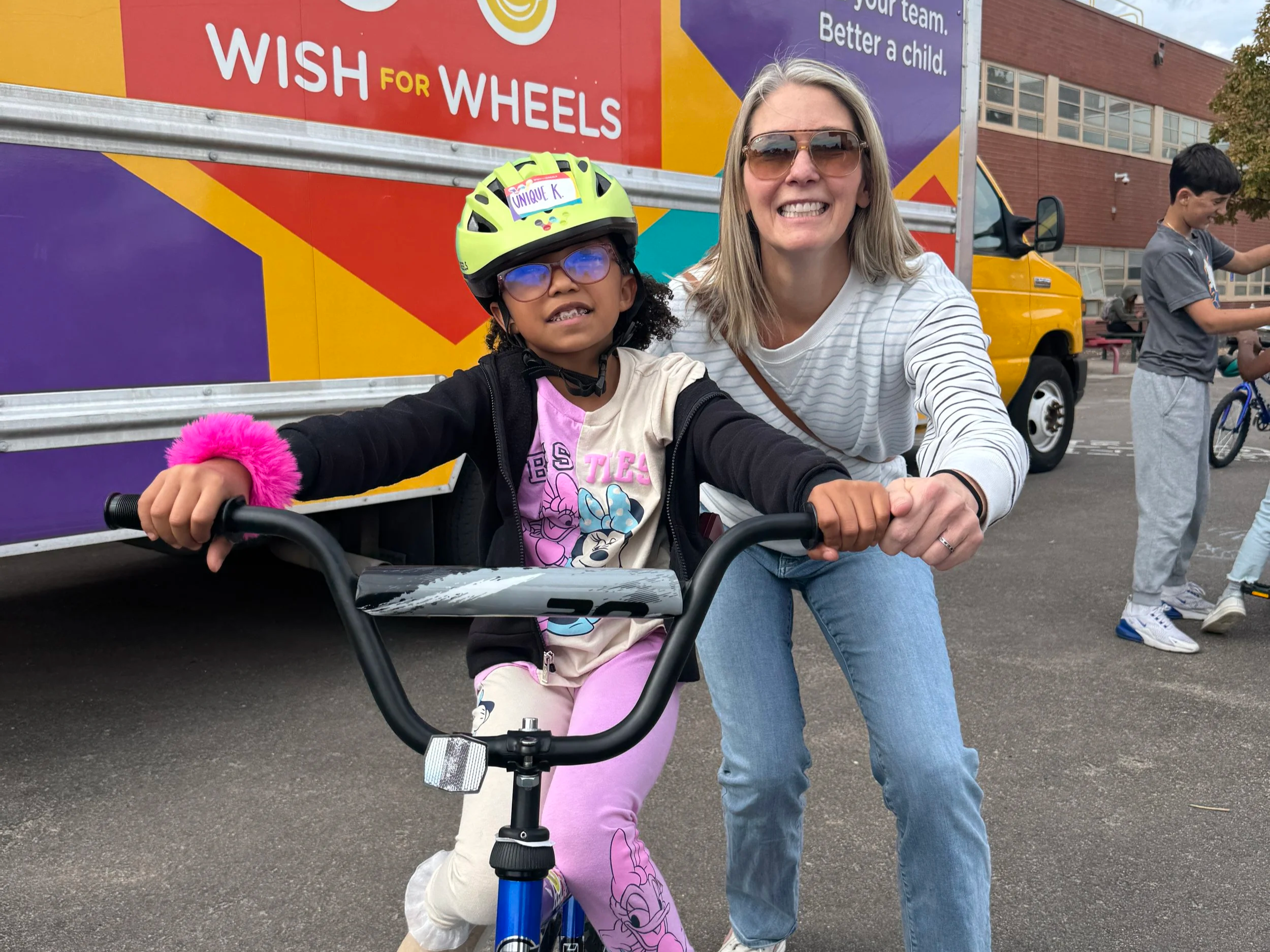
This is what makes the experience powerful teams build a bike for charity and immediately see the difference their effort makes in someone else's life.
Charity bike builds produce a clear and tangible outcome. A child receives a bike.
That bike represents:
Freedom
Confidence
Access to school and opportunities
Employees can see the direct result of their effort.
Ready to build a bike for charity with your team? Plan your next corporate team building event with a purpose-driven approach and create a meaningful impact.
They Strengthen Team Collaboration
Building a bike requires communication, coordination, and problem-solving.
Teams naturally work together toward a shared goal, which strengthens collaboration in a way that feels natural.
They Boost Employee Engagement
Meaningful experiences lead to higher engagement.
This aligns with insights shared in Employee Engagement Through Community Service.
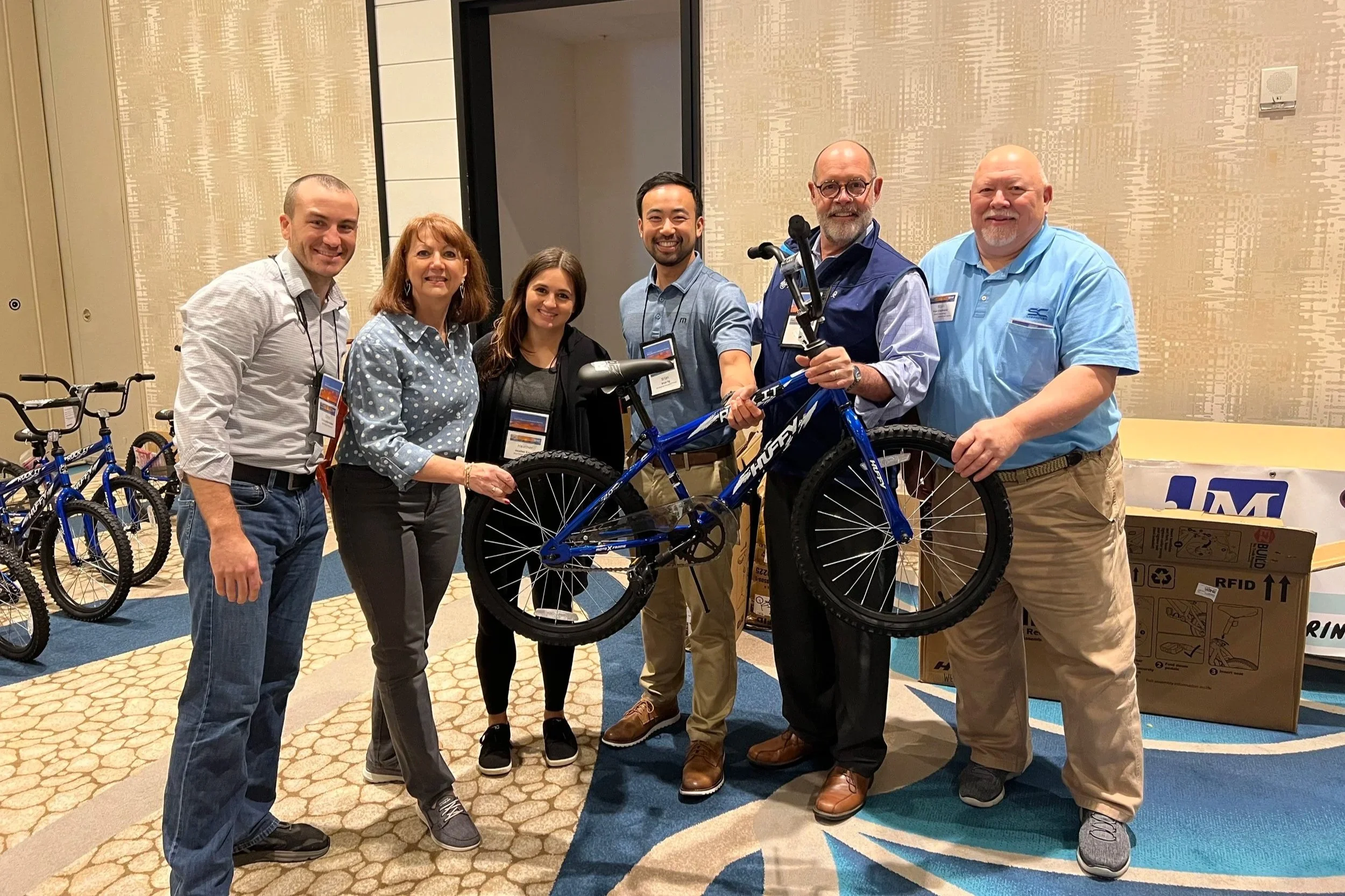
Employees feel proud of their contribution, connected to their team, and aligned with company values.
They Support CSR Goals
Corporate social responsibility is now a key priority for many organizations.
Charity bike builds help companies:
Demonstrate real impact
Support ESG initiatives
Build authentic community connections
These events also help organizations create stronger internal and external brand value. Employees feel proud to work for companies that invest in real social impact, while clients and communities see a visible commitment to meaningful corporate responsibility.
This connection is explored further in Employee Engagement and Corporate Social Responsibility
They Create Lasting Memories
Charity bike builds are emotionally engaging experiences.
Employees remember the purpose, the impact, and the moment a child receives their bike.
That emotional connection creates long-term cultural benefits.
How to Scale Charity Bike Builds Across Your Organization
A Charity Cluster approach expands the impact beyond a single event.
Organizations can:
Host multiple bike build events across departments or locations
Create ongoing engagement initiatives
Build a culture of giving over time
This approach leads to:
Consistent engagement
Broader organizational impact
Stronger alignment across teams
It transforms one event into a sustained strategy.
Why Bikes Matter More Than You Think
For many children, a bike is not just a gift. It is a turning point.
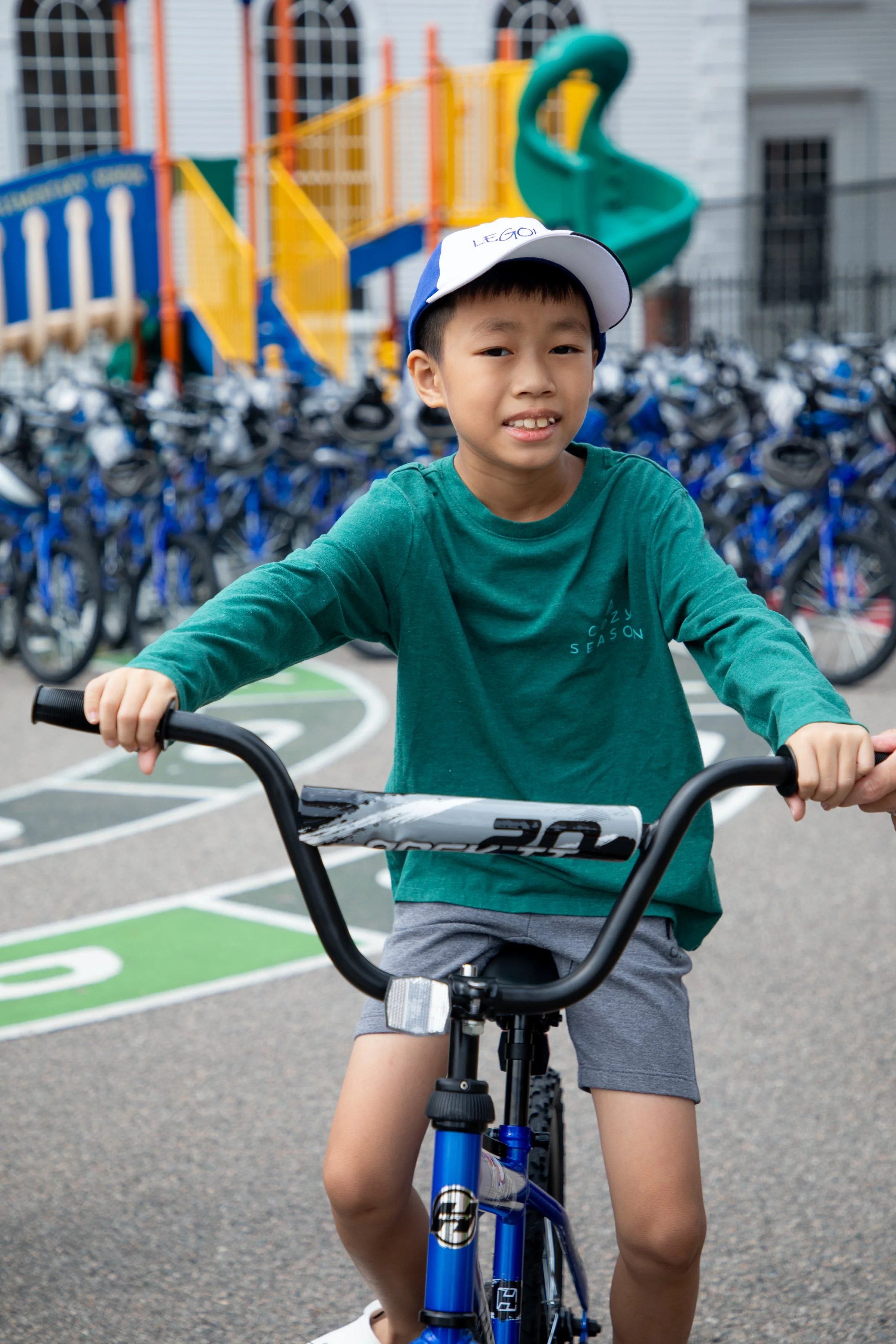
It can provide:
Reliable transportation to school
Increased independence
Greater confidence
Wish for Wheels focuses on delivering bikes to second graders in underserved communities. This ensures the impact happens at a critical stage in a child’s development.
For employees, this makes the experience more meaningful because they are directly contributing to a life-changing moment.
Integrating Charity Bike Builds Into Your Organization
If you are considering a charity bike build, there are a few ways to maximize impact.
Align With Company Values
Ensure the initiative reflects your mission and culture.
Involve Leadership
Leadership participation increases credibility and engagement.
Communicate the Impact
Share results, stories, and photos internally to extend the experience.
Make It Recurring
Recurring events help organizations build a long-term culture of engagement rather than treating team-building as a one-time activity. When employees know these experiences are part of the company culture, participation becomes stronger and the impact becomes more sustainable.
Ongoing programs create sustained engagement and stronger cultural impact.
Moving Beyond Traditional Team-Building
Organizations are moving past outdated team-building models.
As explored in Beyond the Trust Fall: Corporate Team-Building
The shift is clear: From activities to experiences, from entertainment to purpose, from short-term engagement to lasting impact. Charity bike builds represent this evolution.
What Happens After a Charity Bike Build Event?
The impact of a charity bike build does not end when the event is over. Many organizations extend the experience by sharing results, photos, and stories internally to reinforce engagement.
Post-event benefits include:
Stronger team relationships
Increased employee satisfaction
Improved company culture
Positive brand perception
Following up after the event helps create long-term value and ensures the impact continues beyond a single day.
Conclusion: Building More Than Bikes
A charity bike build is not just about assembling bicycles.
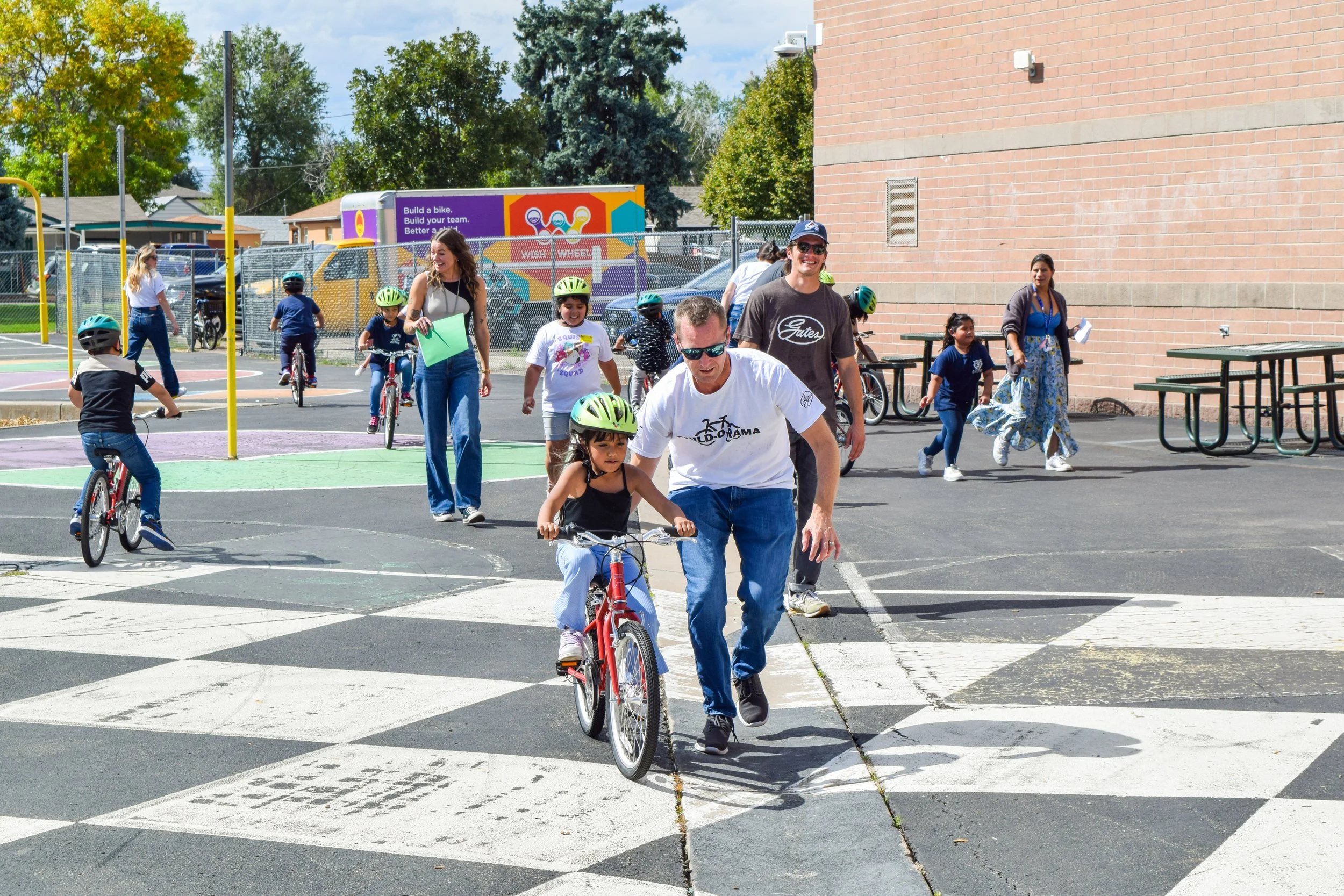
It is about building stronger teams, creating meaningful connections, and delivering real impact.
For organizations looking to improve employee engagement while making a difference, charity bike builds offer a proven and powerful solution.
When teams come together to build something meaningful, they become part of something larger than themselves.
If your organization is looking for a meaningful way to engage employees, now is the time to build a bike for charity and create a lasting impact beyond the workplace.
FAQs: Charity Bike Builds for Corporate Teams
What is a charity bike build event?
A charity bike build event is a corporate team-building activity where employees work together to build bikes for children in underserved communities. These events combine collaboration with social impact, making them more meaningful than traditional activities. Instead of just participating in games, teams build a bike for charity and directly contribute to a real outcome. This creates a stronger emotional connection and lasting engagement.How do charity bike builds improve employee engagement?
Charity bike builds improve engagement by connecting employees to a purpose beyond their daily work. When teams build a bike for charity, they see a tangible result of their effort, which increases motivation and pride. Research shows that purpose-driven activities lead to higher employee satisfaction and stronger team relationships. This type of experience creates lasting impact compared to traditional team-building events.Are charity bike builds suitable for large corporate teams?
Yes, charity bike builds for corporate teams are highly scalable and can be customized for both small groups and large organizations. Whether you have 20 participants or 200+, events can be structured with multiple teams and build stations. Larger events often include coordinated logistics, facilitators, and impact moments. This flexibility makes them ideal for companies of all sizes.How long does a typical bike build event take?
Most charity bike build events last between two to four hours, depending on group size and format. Smaller teams may complete the experience faster, while larger corporate events may include additional activities and presentations. The timeline typically includes team formation, the build process, quality checks, and the final impact moment. Proper planning ensures a smooth and engaging experience for all participants.Do participants need technical skills to build bikes?
No, participants do not need any technical experience to take part in charity bike builds. The process is guided with clear instructions, tools, and support from facilitators. Teams work together to build a bike for charity step by step, making it accessible for everyone. This ensures that all employees can participate confidently and enjoy the experience.How do charity bike builds support corporate social responsibility?
Charity bike builds directly support corporate social responsibility (CSR) by creating measurable community impact. Companies can demonstrate their commitment by helping provide bikes to children in need. These events align with ESG goals and enhance brand reputation both internally and externally. Employees also feel more connected to organizations that invest in meaningful initiatives.What makes bike builds different from other team-building activities?
Unlike traditional activities, charity bike builds combine teamwork with a real-world outcome. Instead of temporary engagement, employees build a bike for charity that is donated to a child in need. This creates a deeper emotional connection and makes the experience more memorable. The combination of purpose and collaboration sets these events apart.How do charity bike builds support leadership development?
During charity bike build events, leaders naturally take on roles involving coordination, communication, and problem-solving. This helps strengthen leadership skills in a practical and engaging environment. Managers and team leads work alongside employees, improving relationships and trust. These experiences contribute to stronger leadership development across the organization.Can charity bike builds be customized for remote or hybrid teams?
Yes, many charity bike builds for corporate teams can be adapted for hybrid or multi-location formats. Companies can organize simultaneous events across offices or coordinate remote participation elements. This ensures that distributed teams remain engaged while still contributing to a shared charitable goal. Flexibility in format makes these events suitable for modern workplaces.How often should companies organize charity bike build events?
Many organizations include charity bike builds as part of annual team-building programs, CSR initiatives, or leadership retreats. Hosting these events regularly helps build a culture of giving and sustained employee engagement. Companies that consistently build a bike for charity create stronger team connections over time. Regular events also reinforce company values and long-term impact.
