
How Arizona Companies Are Strengthening Their Employee Engagement Pillars in 2026
Introduction: The Evolution of Employee Engagement in Arizona
In 2026, employee engagement is no longer a secondary priority. It’s becoming a core business strategy. Companies across Arizona are recognizing that engaged employees are more productive, collaborative, and committed to organizational success. As the workforce continues to evolve, organizations are shifting away from traditional engagement methods and adopting more meaningful, mission-focused approaches.
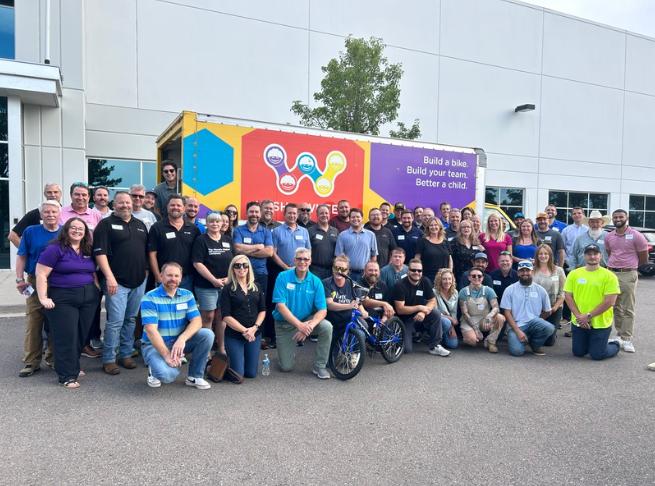
This shift reflects broader Workplace Culture Trends, where employees expect more than just compensation and benefits. They are searching for opportunities to contribute to something larger, connect with their colleagues, and feel a sense of purpose in their work.
Arizona companies are responding by strengthening their employee engagement pillars focusing on culture, collaboration, and community impact. These pillars are shaping how organizations attract talent, retain employees, and build stronger teams in an increasingly competitive environment.
What Are Employee Engagement Pillars?
Employee engagement pillars are the foundational elements that shape how employees connect with their workplace. These pillars guide how organizations build culture, encourage collaboration, and create impactful experiences for their teams.
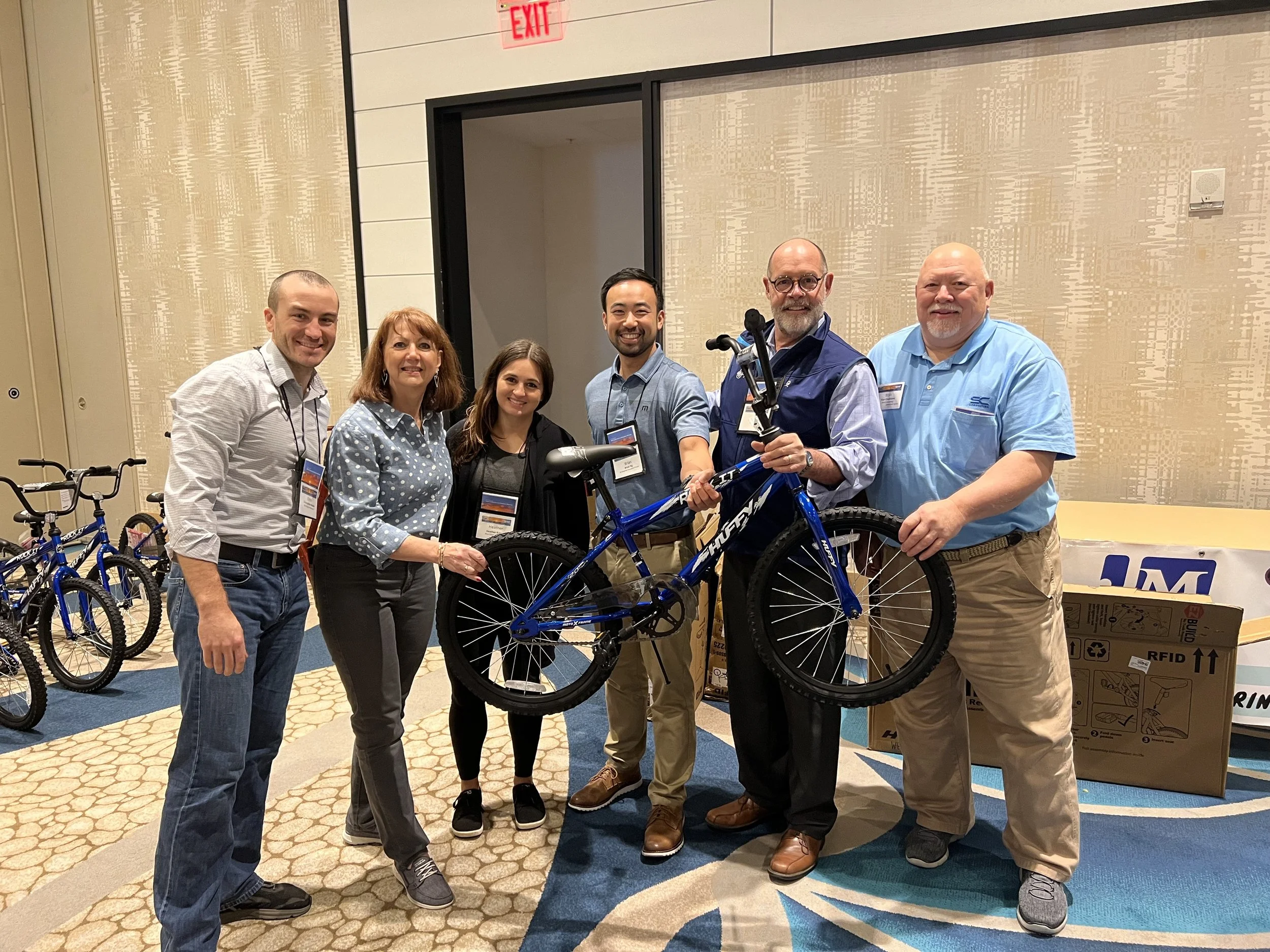
Common engagement pillars include:
impact-driven work
Team collaboration
Recognition and inclusion
Community involvement
Aligning these elements increases the likelihood of employees feeling motivated, valued, and connected to their organization. In 2026, companies are focusing on strengthening these pillars to create more engaging and supportive work environments.
Why Employee Engagement Is a Top Priority in 2026
Employee engagement has become a critical focus for organizations due to its direct impact on performance and retention. Disengaged employees are more likely to leave their jobs, contribute less to team success, and reduce overall productivity.
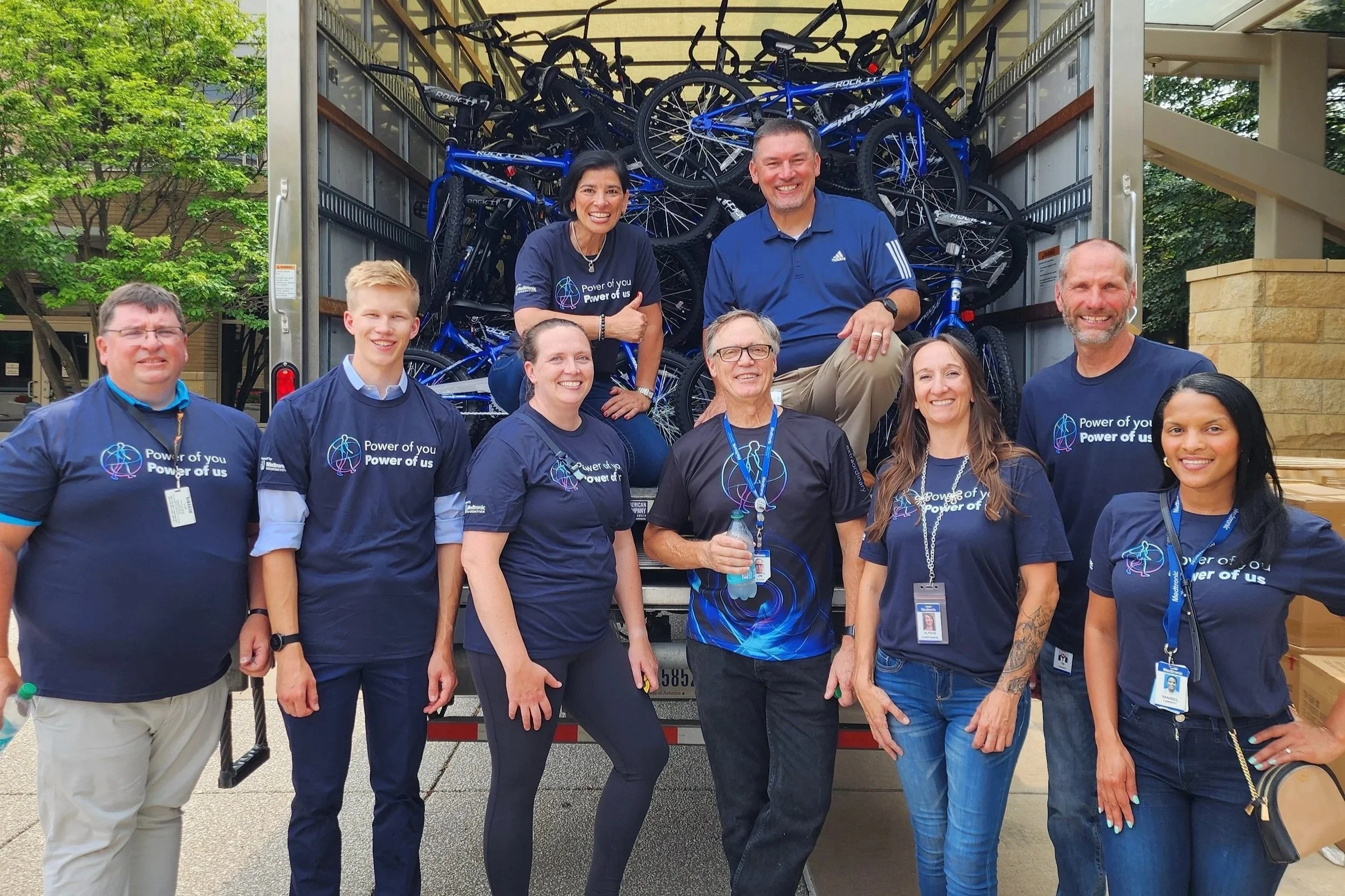
Arizona companies are facing increased competition for talent, making engagement a key differentiator. Organizations that prioritize engagement are better positioned to attract skilled professionals and maintain long-term employee satisfaction.
This shift is closely tied to evolving Workplace Culture Trends, where employees value engaging opportunities, flexibility, and purpose. Companies that fail to adapt risk falling behind in both talent retention and workplace culture.
Key Employee Engagement Pillars Arizona Companies Are Focusing On
To stay competitive, Arizona organizations are strengthening several key engagement pillars that directly impact employee satisfaction and performance.
Purpose-Driven Work
Employees want to know that their work matters. Companies are aligning business goals with meaningful outcomes to create a stronger sense of purpose.
Team Collaboration
Collaboration remains a critical component of engagement. Organizations are creating opportunities for employees to work together in ways that foster communication and teamwork.
Recognition and Inclusion
Recognizing employee contributions and promoting inclusivity helps build a positive workplace culture where employees feel valued.
Community Involvement
Many organizations are integrating volunteer initiatives into their engagement strategies. These efforts align with Practices for Corporate Social Responsibility, allowing employees to participate in meaningful community impact.
The Rise of Community-Based Engagement Programs
One of the most significant trends in 2026 is the rise of community-based engagement programs. Companies are moving beyond internal activities and incorporating social impact into their engagement strategies.
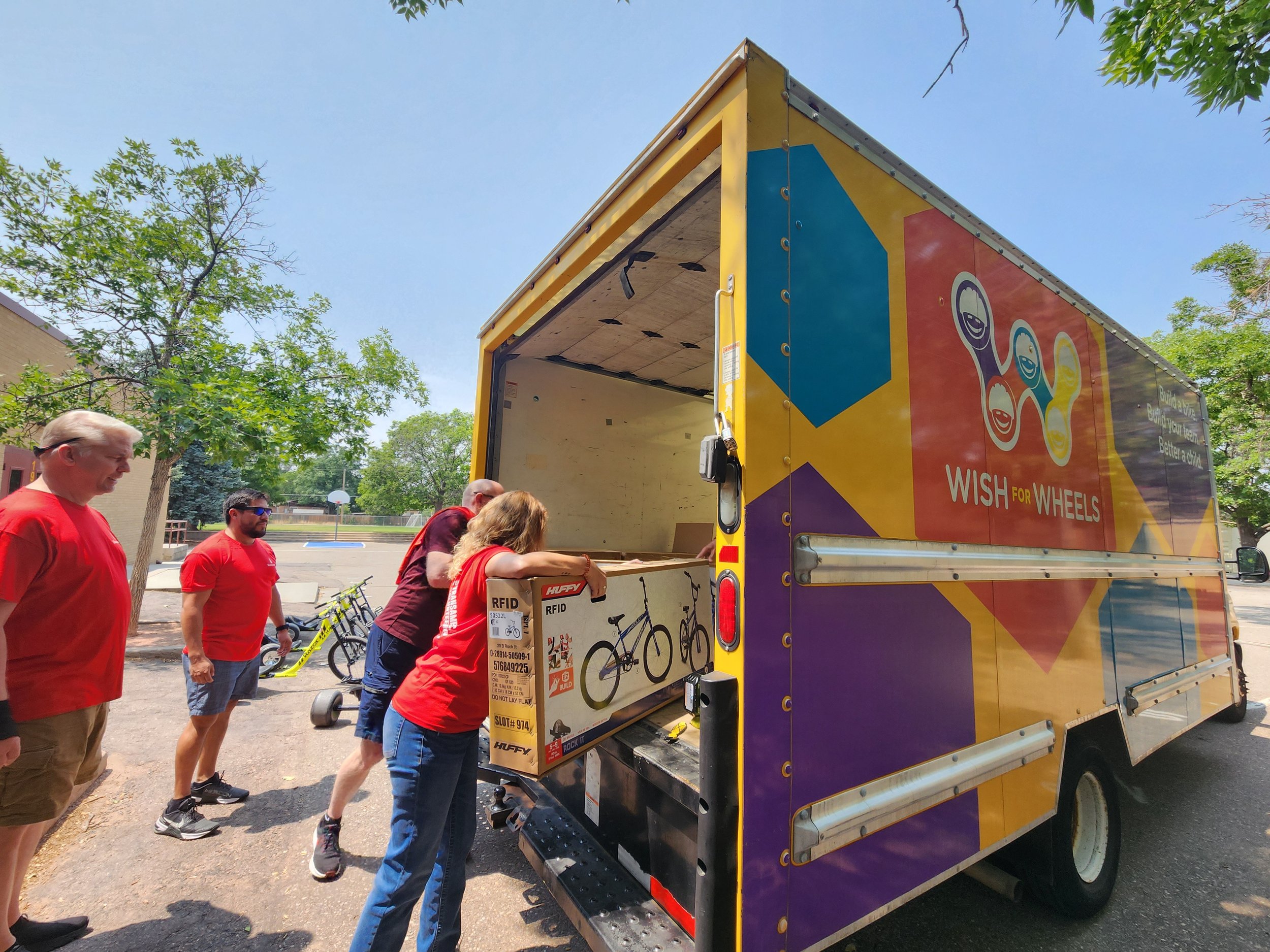
Unlike traditional engagement activities, these experiences create a tangible outcome that teams can see and connect with. Many organizations are now looking for engagement initiatives that combine teamwork with real-world impact. Programs that allow employees to Build Bikes for Charity are becoming increasingly popular. These initiatives combine teamwork with community service, creating experiences that are both engaging and impactful.
Community-based programs provide employees with the opportunity to connect with their colleagues while contributing to a meaningful cause. This combination of purpose and collaboration makes these initiatives highly effective for engagement.
Why Companies Invest in Philanthropic Team Building
Organizations are choosing to Invest in Philanthropic Team Building because it delivers measurable benefits for both employees and the company.
These programs help:
Improve employee morale
Strengthen team relationships
Increase retention
Enhance company culture
Employees who participate in community-focused activities often feel more connected to their organization. This connection leads to higher engagement and greater job satisfaction.
Philanthropic team-building also reinforces company values, demonstrating a commitment to community impact and social responsibility.
How Hands-On Team Building Strengthens Engagement
Hands-on activities are one of the most effective ways to engage employees. Unlike passive experiences, these activities require participation, collaboration, and problem-solving.
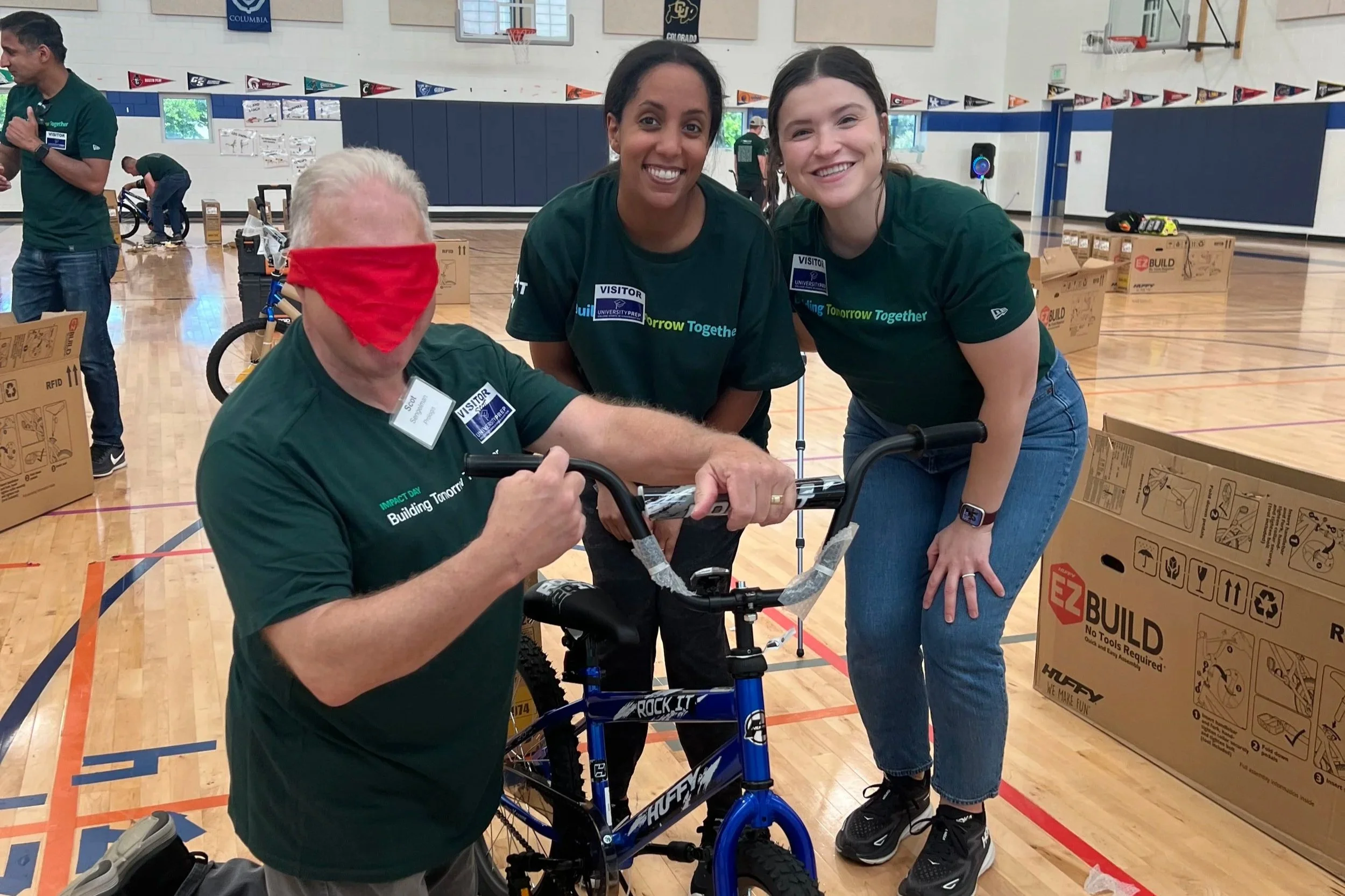
Programs that involve physical collaboration such as building bikes encourage employees to communicate, share ideas, and work toward a common goal. These experiences help strengthen relationships and build trust among team members.
Many organizations combine these activities with other 6 Fun Employee Engagement initiatives to create a well-rounded engagement strategy that includes both social and value-driven experiences.
Regional Engagement Strategies Across the U.S.
As employee engagement strategies continue to evolve, many organizations are expanding their initiatives across multiple regions to maintain consistency while adapting to local community needs. These programs help companies strengthen collaboration, improve workplace culture, and create meaningful community impact across different offices.
Many businesses use programs like Bike Team Building Utah to encourage teamwork while supporting local communities. In California, organizations participate in Build Bikes Charity California initiatives that combine employee engagement with hands on charitable giving.
In Texas, companies often organize Corporate Team Building and Charity Bike Builds in Houston as part of their broader engagement strategies. Similarly, organizations in Colorado take part in Corporate Team Building & Charity Bike Builds in Denver to create stronger team connections and memorable employee experiences.
These regional programs show how scalable engagement initiatives can be successfully adapted across different locations while maintaining a consistent purpose and long term impact.
Why Organizations Choose Wish for Wheels
Since 2004, Wish for Wheels has delivered thousands of bicycles through its Wish for Wheels Bike Build & Give program across the United States. Organizations across the country partner with Wish for Wheels because the program combines meaningful community impact with professionally facilitated team-building experiences. Companies are able to engage employees in hands-on collaboration while directly supporting children and families in their communities.
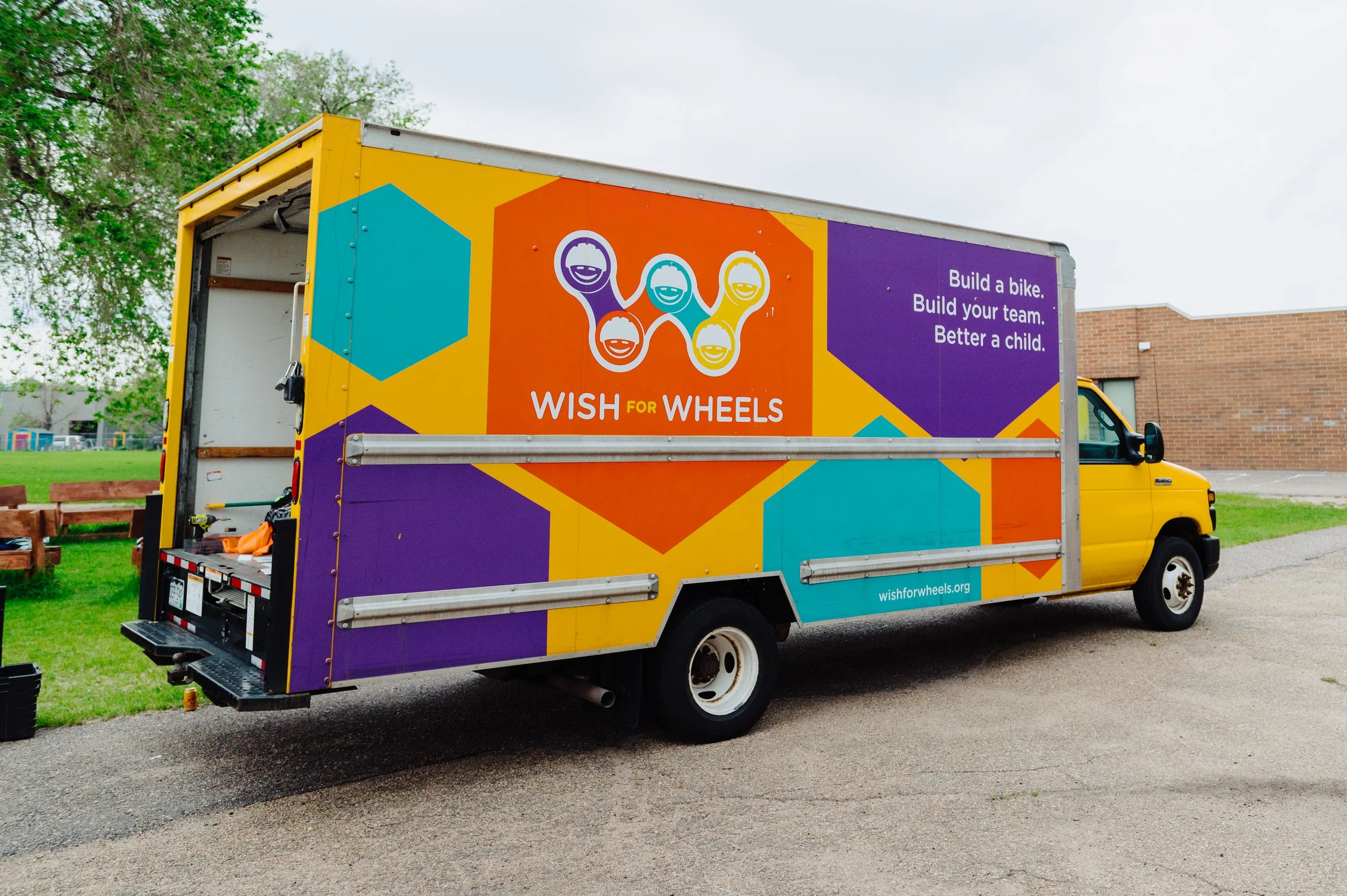
Key reasons organizations choose Wish for Wheels include
Nationwide Coverage
With nationwide coverage, organizations can host consistent engagement experiences across multiple locations, making it easier to align teams across offices.
Corporate Partnerships
Organizations from industries such as technology, healthcare, finance, and manufacturing partner with Wish for Wheels to align employee-engagement initiatives with community impact.
Hands-On Facilitation
Every event is guided by experienced Wish for Wheels facilitators who manage logistics, structure collaboration, and maintain energy throughout the build process.
Event Scalability
Programs are designed to accommodate groups of many sizes, from small leadership teams to large corporate gatherings, while maintaining an engaging and well-organized experience.
Direct Delivery Experience
Whenever possible, employees participate in the bicycle presentation itself, allowing teams to witness the immediate impact of their efforts and strengthening the connection between teamwork and community contribution.
How Arizona Companies Are Implementing These Strategies
Many Arizona organizations are also aligning leadership teams and encouraging cross-department participation to ensure engagement initiatives create lasting impact across the company.
Arizona organizations are taking a structured approach to strengthening their employee engagement pillars.
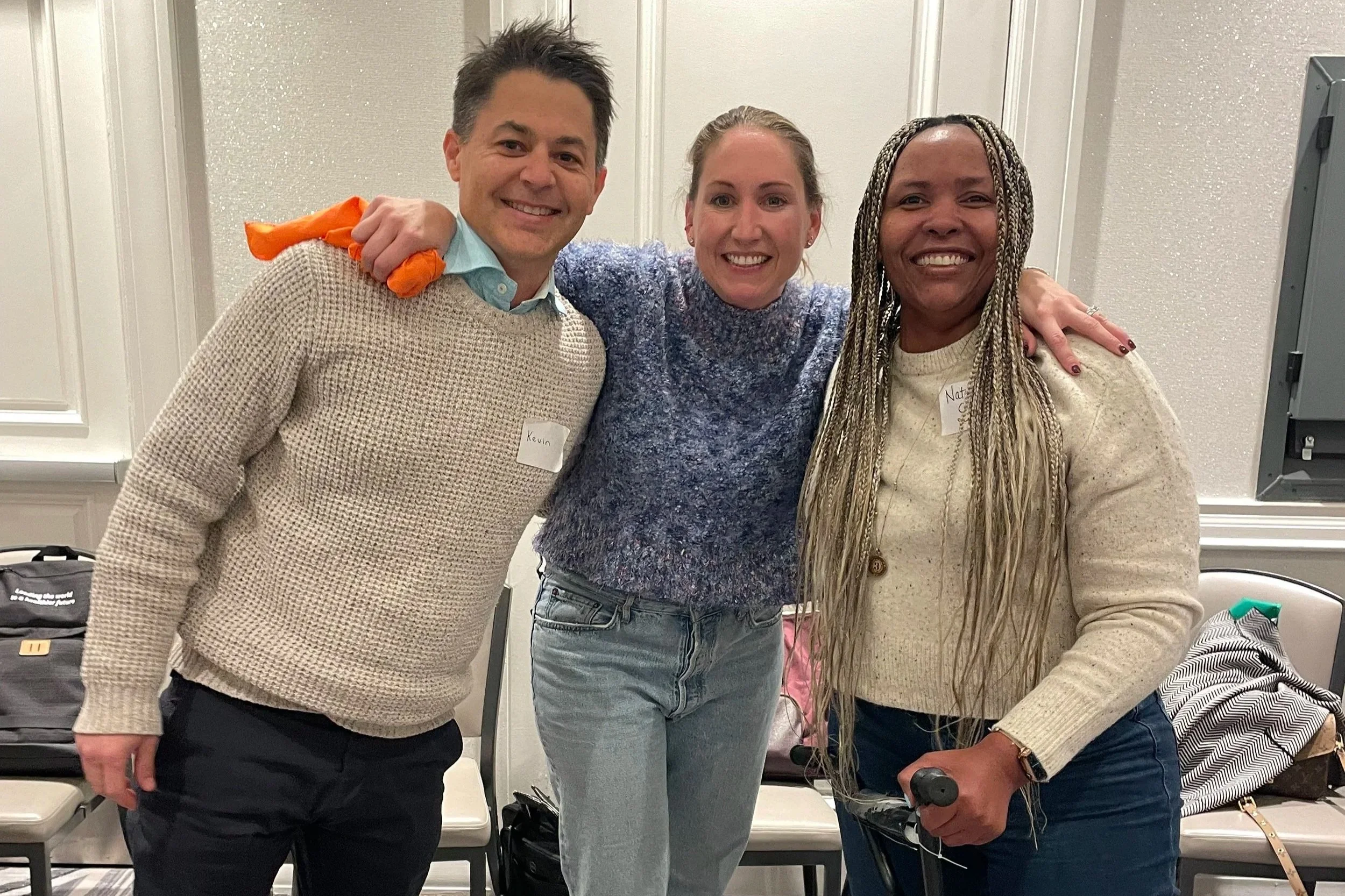
Define Engagement Goals
Companies begin by identifying their priorities, whether it’s improving collaboration, increasing retention, or enhancing workplace culture.
Align with CSR Initiatives
Organizations integrate engagement programs with their CSR strategies to create meaningful impact.
Partner with Experienced Organizations
Working with established partners ensures that programs are well-organized and impactful.
Create Ongoing Programs
Rather than one-time events, companies are implementing recurring initiatives to maintain engagement throughout the year.
Measure Results
Organizations track participation, feedback, and outcomes to evaluate the success of their engagement strategies.
Measurable Outcomes of Strong Engagement Pillars
Companies that invest in employee engagement often see measurable improvements across several areas.
These include:
Increased employee retention
Improved workplace morale
Stronger collaboration
Higher productivity
When employees feel connected to their work and their organization, they are more likely to contribute positively to team success.
Conclusion: Building Stronger Engagement Through Purpose in 2026
In 2026, employee engagement is defined by purpose, collaboration, and team-focused initiatives. Arizona companies are strengthening their engagement pillars by moving beyond traditional activities and embracing initiatives that create real impact.
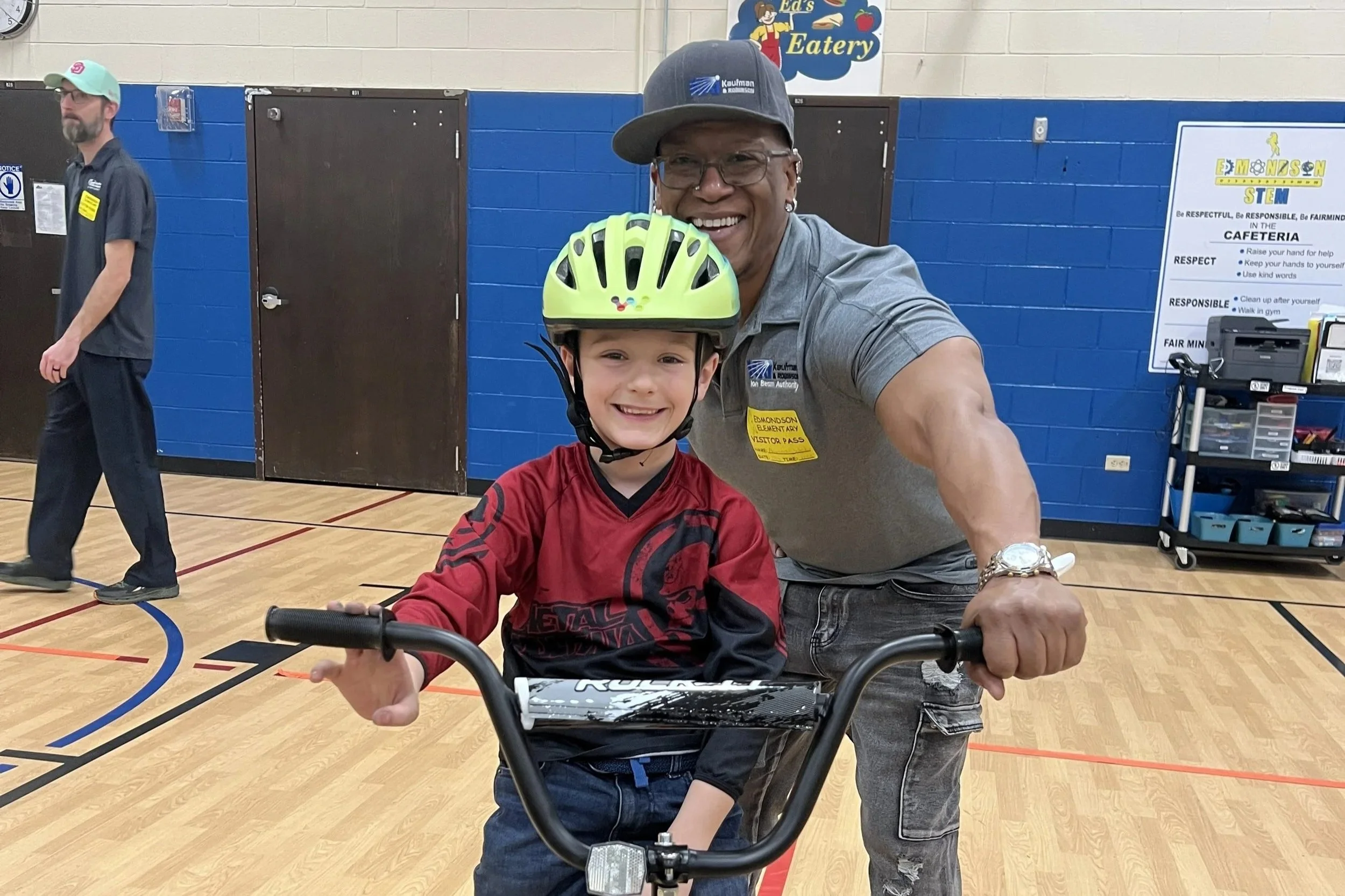
Community-based programs, such as bike build events, provide employees with opportunities to connect, collaborate, and contribute to something larger than themselves. These experiences not only improve engagement but also strengthen workplace culture and reinforce company values.
Organizations that invest in purpose-driven engagement strategies will continue to build stronger teams, improve retention, and create lasting value for both their employees and the communities they serve.
As organizations continue to evolve, purpose-driven engagement will play a critical role in building stronger teams and long-term business success.
Frequently Asked Questions
What are employee engagement pillars?
Employee engagement pillars are key areas such as collaboration, purpose, and culture that influence how employees connect with their workplace.Why are Arizona companies focusing on engagement in 2026?
Companies are prioritizing engagement to improve retention, productivity, and workplace culture in a competitive job market.How does community service improve employee engagement?
Community service provides meaningful experiences that strengthen teamwork and create a sense of purpose.What is philanthropic team building?
It involves team-building activities that also contribute to a social cause, combining engagement with community impact.How do bike build programs support engagement?
They encourage collaboration while allowing employees to contribute to a meaningful cause, making the experience both engaging and impactful.How can companies measure engagement success?
Organizations can track participation rates, employee feedback, retention, and productivity metrics.What makes Wish for Wheels programs effective?
Wish for Wheels combines structured team-building with direct community impact, creating meaningful and memorable experiences.
