
The New Rules of Corporate Team Building: How Events Are Changing in 2026
Introduction: Why Team Building Needs a Smarter Approach
Corporate team building is no longer what it used to be.
Since 2020, the workplace has changed dramatically. Hybrid work is now standard across many industries, Gen Z employees are reshaping workplace expectations, and organizations are under growing pressure to create cultures that employees genuinely want to be part of. Traditional corporate events built around surface-level entertainment are no longer delivering the same results they once did.
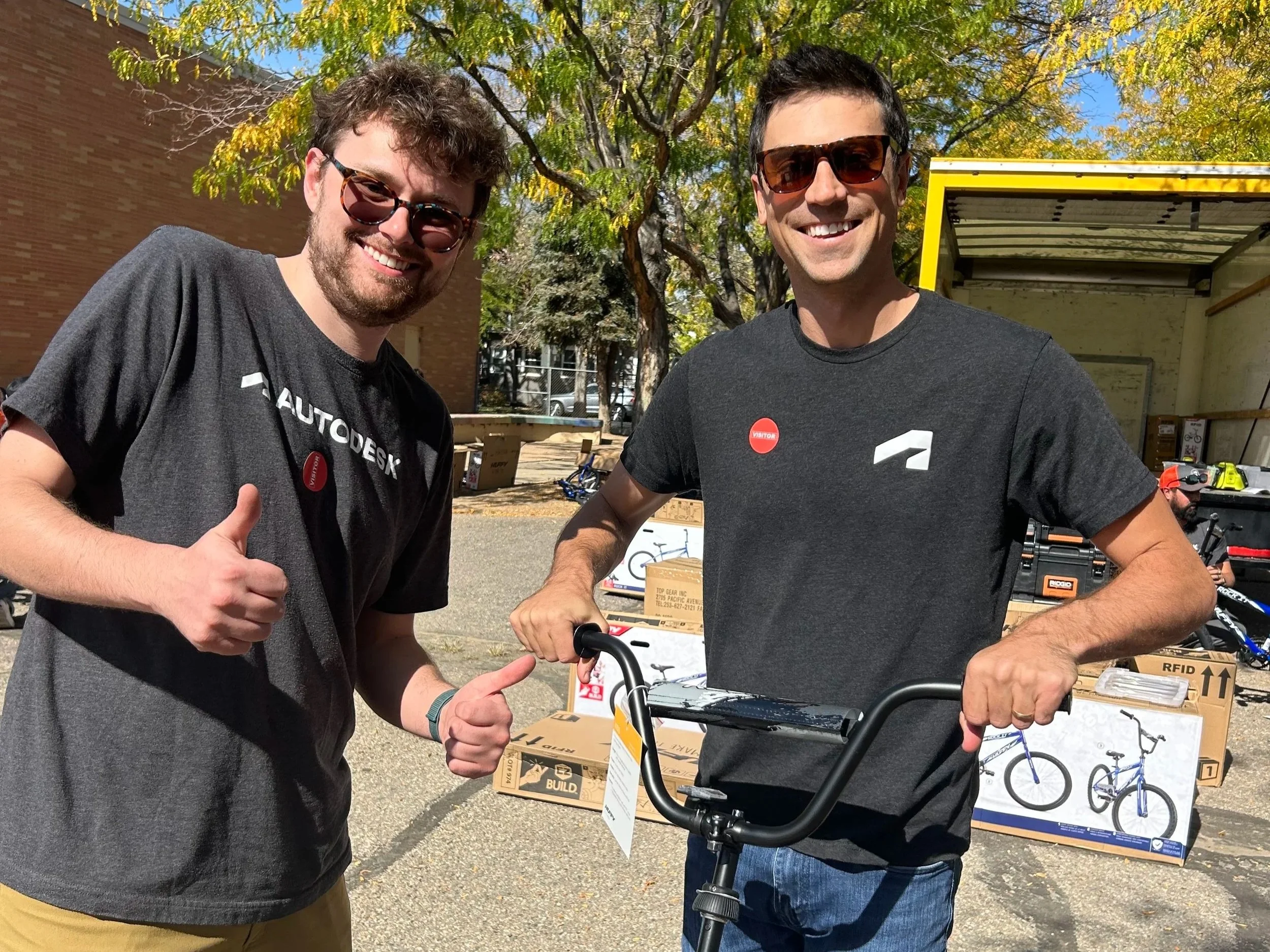
Companies are now rethinking which team building activities for work actually create stronger engagement, better collaboration, and long-term cultural impact.
Employees today are looking for something deeper. They want connection. They want purpose. They want to feel that their time at work contributes to something meaningful.
At the same time, companies are under pressure to improve retention, strengthen collaboration, and demonstrate a genuine commitment to community impact.
This shift has transformed corporate team building from a simple HR initiative into a strategic driver of culture and performance.
This guide breaks down everything you need to know about corporate team-building events in 2026, including key trends, proven strategies, event types, and how to create experiences that actually make an impact.
As workplace expectations continue to evolve, organizations are realizing that employee engagement cannot rely on occasional activities alone. Team-building must now support stronger relationships, better communication, and a culture that employees genuinely want to be part of.
What Corporate Team Building Means Today
Corporate team building today is intentional and outcome-driven.
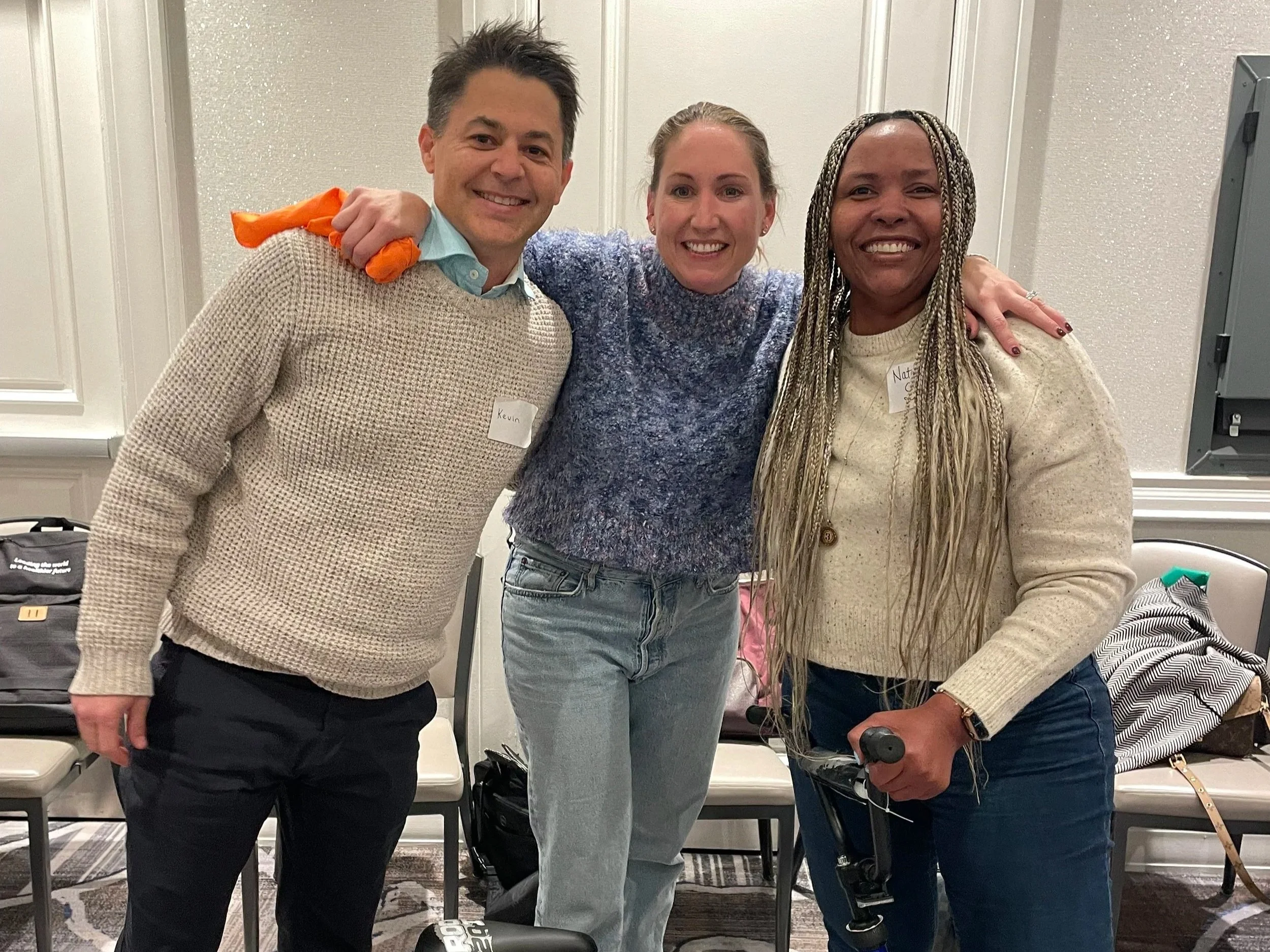
It is no longer just about bringing employees together for an activity. Instead, it focuses on creating experiences that strengthen relationships, improve communication, and reinforce company values.
Modern team building helps organizations:
Build stronger team connections
Improve collaboration across departments
Increase employee engagement
Align employees with company mission and purpose
When done correctly, team building becomes a powerful tool for shaping culture and improving performance across the organization. It also helps reduce silos between departments and creates stronger alignment across leadership and teams. When employees feel connected to both their colleagues and the company mission, workplace performance improves naturally over time.
The Evolution of Team Building: From Activities to Experiences
Traditional team-building approaches focused on participation.
Employees would attend events that included games, workshops, or simple group exercises. While these activities could be enjoyable, they often lacked depth and long-term impact.
In 2026, the shift is clear.
Organizations are moving:
From activities to experiences
From entertainment to purpose
From one-time events to ongoing engagement strategies
As explored in the blog on beyond the trust fall corporate team-building, companies are realizing that meaningful experiences create stronger connections than routine exercises.
The focus is no longer on filling time. It is on creating moments that employees remember and value.
What Has Actually Changed About Corporate Team Building
The Hybrid Reality
Hybrid work has permanently changed how teams interact. In many organizations, employees are now split between office locations, remote environments, and flexible schedules. This creates a major challenge for corporate events because traditional team-building activities were designed for employees in the same physical space.
Events that fail to include remote employees often create uneven participation and lower engagement. Companies are now placing greater emphasis on experiences that can connect distributed teams without making virtual participants feel secondary. Hybrid team-building formats, collaborative challenges, and shared purpose-based experiences are becoming more important because they help create inclusion across different work environments.
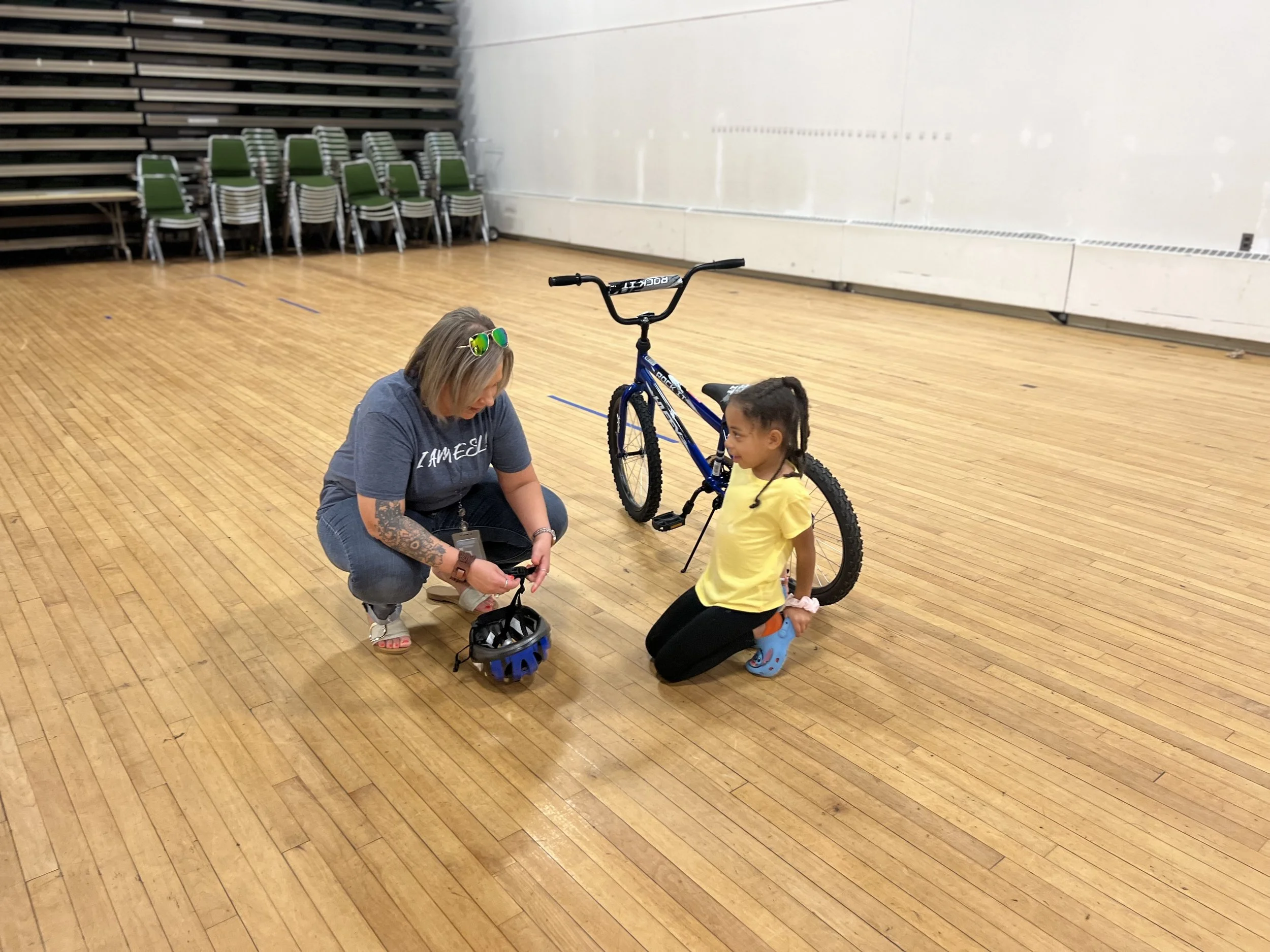
The Gen Z Effect on Workplace Culture
Workplace expectations are also changing because of generational shifts within the workforce. According to Deloitte research, Gen Z is expected to represent a significant portion of the global workforce by 2026, bringing different expectations around workplace culture, authenticity, and social impact.
Many younger employees are less interested in traditional corporate events that feel forced or disconnected from meaningful outcomes. Instead, they tend to respond more positively to experiences that create genuine interaction, support community impact, or align with personal values. This shift is pushing organizations to rethink how team-building events are designed and what employees actually consider valuable.
Why Meaning Matters More Than Entertainment
Companies are also rethinking the role team-building events play in employee engagement. Gallup research has consistently shown that employees who feel connected to meaningful work and strong workplace relationships tend to be more engaged and productive over time.
As a result, events focused only on entertainment are becoming less effective on their own. Activities such as happy hours, simple icebreakers, or generic office games may create short-term interaction, but they often fail to leave a lasting impression. Experiences tied to collaboration, shared goals, or community impact tend to create stronger emotional connection and higher participation after the event ends.
Why Traditional Team Building No Longer Works
Traditional team-building activities are becoming less effective because employee expectations have changed. Events built around trust falls, office happy hours, or generic icebreaker games often feel disconnected from how modern teams actually work and interact.
Many employees now want experiences that feel collaborative, relevant, and worth their time rather than activities designed simply to fill a schedule. Escape rooms, trivia nights, and standard social events can still create short-term interaction, but they often fail to create lasting engagement once the event ends.
Companies are increasingly replacing these formats with experiences that encourage stronger collaboration, shared achievement, and community involvement. The focus is shifting away from entertainment alone and toward experiences that create stronger connection and long-term cultural impact.
The Role of Purpose in Modern Team Building
Purpose transforms team building from an activity into an experience.
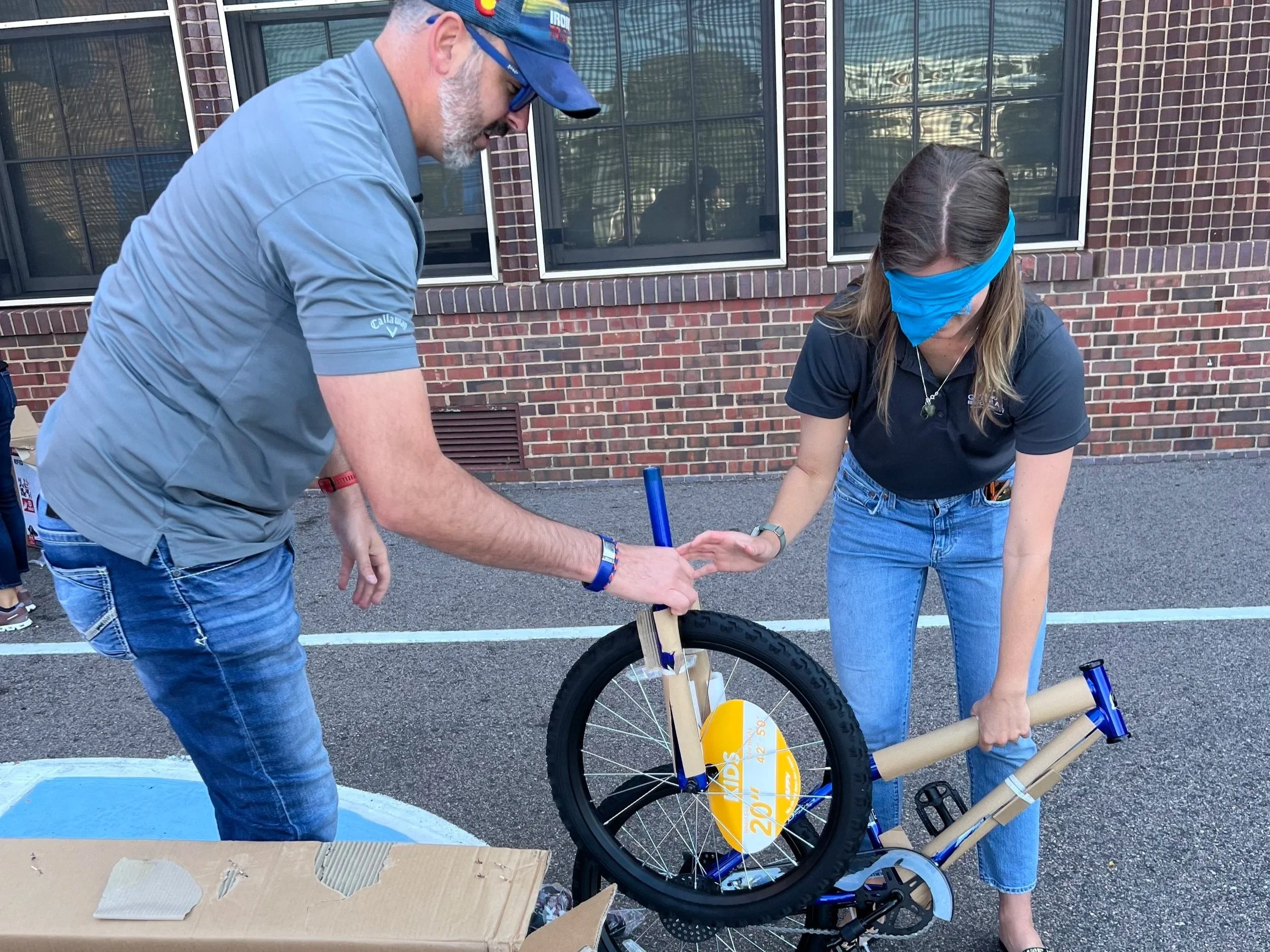
When employees participate in meaningful initiatives, they feel:
A stronger connection to their team
Greater alignment with company values
Increased motivation in their work
Community-driven events such as charity bike builds are particularly effective because they combine collaboration with real impact.
Employees are not just completing a task. They are contributing to something that matters.
The Best Team Building Activities for Work in 2026
Charity Bike Builds
Charity bike builds have become one of the most effective team-building activities for work because they combine collaboration, community impact, and emotional engagement in a single experience. Teams work together to assemble bicycles that are donated to children, creating a visible and meaningful outcome that employees can directly connect with.
Unlike traditional team-building activities that focus only on entertainment, charity bike builds create a shared sense of accomplishment while supporting a larger mission. These events also scale well for both smaller teams and large corporate groups, making them practical for organizations with 20 employees or several hundred participants. Because the experience combines teamwork with social impact, companies often see stronger participation, better post-event feedback, and more lasting employee engagement.
For organizations looking to combine CSR initiatives with employee engagement, charity bike builds have become one of the most popular event formats in recent years.
Looking for a Team-Building Experience That Combines Collaboration and Community Impact?
Wish for Wheels helps companies across the US create purpose-driven bike build events that strengthen employee engagement while giving back to local communities. Programs are designed for teams of all sizes and can be customized for conferences, leadership retreats, and large corporate events.
Volunteer and Service Projects
Volunteer-based team-building activities continue to grow in popularity as organizations place greater emphasis on community involvement and social responsibility. Meal-packing programs, habitat restoration projects, school supply donations, and neighborhood clean-up events all give employees an opportunity to contribute to a cause while working together outside their normal roles.
These events are especially effective for organizations looking to align employee engagement with CSR initiatives. While volunteer projects may not always create the same level of collaboration depth as more structured build-based events, they can still strengthen relationships and create a stronger sense of shared contribution across teams.
Skill-Based Workshops
Skill-based workshops are becoming more common for organizations that want team-building events to support leadership development and long-term workplace performance. These sessions often focus on communication, problem-solving, collaboration, conflict resolution, or creative thinking.
Unlike entertainment-focused activities, workshops are designed to create practical value that employees can apply directly in the workplace. Many companies use these experiences to improve cross-department communication, strengthen leadership capabilities, and support professional development goals while still creating a collaborative environment.
Experiential Challenges
Experiential team-building activities focus on shared problem-solving and fast-paced collaboration. Popular formats include cooking competitions, scavenger hunts, escape-style challenges, and hands-on build activities that require teams to work together under time constraints.
These experiences are often highly energetic and can create strong short-term engagement because they encourage active participation and friendly competition. However, their long-term impact often depends on whether the experience connects to broader company goals, team relationships, or organizational culture beyond the event itself.
Wellness-Focused Team Building
As burnout and workplace stress continue to affect employees across industries, wellness-focused team-building events are becoming more common. Organizations are increasingly investing in mindfulness sessions, outdoor retreats, fitness-based activities, and wellness workshops designed to support employee well-being and reduce stress.
These experiences are particularly valuable for companies focused on work-life balance and long-term employee retention. While wellness events may not always create the same collaboration intensity as challenge-based formats, they can help improve morale, reduce stress, and support healthier workplace culture over time.
Hybrid Team Building
Hybrid team building has become essential for organizations with employees working across multiple locations or flexible schedules. Unlike traditional events that assume everyone is physically present, hybrid experiences are designed to include both in-office and remote employees in meaningful ways.
Successful hybrid team-building events focus on shared participation rather than treating remote employees as passive observers. Collaborative online challenges, synchronized group activities, and purpose-based experiences that connect multiple locations are becoming increasingly common as companies adapt to distributed work environments.
Virtual Events for Remote Teams
Virtual team-building events continue to play an important role for organizations with fully remote teams. Online trivia sessions, digital workshops, virtual escape rooms, and collaborative problem-solving activities are commonly used to maintain interaction between employees working in different locations.
However, companies are also realizing that virtual engagement works best when events are interactive, structured, and intentionally designed for remote participation. Passive virtual meetings or loosely organized online activities often struggle to maintain attention and long-term engagement. The most effective remote team-building experiences focus on participation, collaboration, and shared interaction rather than simple screen time.
Team Building Activities for Large Groups: What Actually Scales
Planning team building for large groups requires a very different approach than smaller team events. Activities that work well for 15 employees often become difficult to manage once participation reaches 100, 250, or even 500 people. The biggest challenge is creating an experience that still feels engaging, organized, and meaningful at scale.
Charity bike builds have become one of the most effective large-group team-building formats because they naturally divide participants into smaller collaborative teams while still contributing to a shared outcome. This allows companies to maintain engagement even during high-attendance events. The format also scales well across conferences, leadership retreats, annual meetings, and company-wide engagement initiatives.
Other large-scale team-building formats include city-wide scavenger hunts, multi-station volunteer projects, collaborative build challenges, and structured outdoor experiences. These activities work best when they are carefully facilitated and designed to encourage interaction between employees who may not normally work together.
Large-group events are most successful when they balance structure, participation, and shared purpose. Without strong organization, large events can quickly become passive experiences where employees disengage rather than collaborate.
Hybrid and Remote Team Building in 2026
Hybrid and remote work have fundamentally changed how companies approach employee engagement. Many organizations now operate with employees spread across multiple offices, remote locations, and flexible schedules, making it harder to create team-building experiences that feel inclusive for everyone.
One of the biggest challenges with hybrid team building is ensuring remote employees feel actively involved rather than treated as secondary participants. Events designed primarily for in-person teams often struggle to create meaningful interaction for virtual attendees, which can reduce engagement instead of improving it.
Successful hybrid team-building experiences focus on shared participation across locations. Companies are increasingly using synchronized activities, collaborative online challenges, and purpose-based experiences that allow employees to contribute regardless of where they are working. The most effective events are structured specifically for hybrid participation rather than simply adapting traditional in-person activities to virtual environments.
How to Choose the Right Team-Building Format
The most effective team-building events are the ones that align directly with your organization’s goals. Instead of choosing activities based only on popularity or convenience, companies are increasingly selecting formats based on the type of outcome they want to create for employees and the business overall.
If your goal is CSR and community impact
Charity bike builds and volunteer-based experiences are often the strongest option for organizations looking to combine employee engagement with community involvement. These events create a visible outcome while reinforcing company values and social impact initiatives.
If your goal is cross-department collaboration
Experiential challenges such as scavenger hunts, collaborative build activities, and team-based competitions can help employees interact outside their normal work environments. These formats are particularly useful for improving communication between departments that do not regularly work together.
If your goal is leadership development
Skill-based workshops focused on communication, problem-solving, and decision-making are often more effective than entertainment-focused activities when leadership growth is the priority. These events create practical workplace value while still encouraging collaboration.
If your goal is remote inclusion
Hybrid team-building experiences are usually the best choice for organizations with distributed teams. Activities designed specifically for both in-person and remote participation help create stronger engagement across locations without excluding virtual employees.
If your goal is employee wellness and morale
Wellness-focused retreats, mindfulness sessions, and outdoor experiences can help organizations reduce burnout and improve overall morale. These events are particularly effective for companies focused on long-term employee well-being and retention.
How Much Do Corporate Team-Building Events Cost?
The cost of corporate team-building events can vary widely depending on group size, event format, location, and customization. Smaller team experiences may cost a few thousand dollars, while large-scale corporate events designed for hundreds of employees often require a significantly larger investment.
Organizations are increasingly viewing team building as part of broader employee engagement and workplace culture strategy rather than a one-time expense. Events that combine collaboration, CSR involvement, and measurable employee participation often deliver stronger long-term value than entertainment-focused activities alone.
For companies planning larger engagement initiatives, working with an experienced event partner can help simplify logistics, improve participation, and create a more meaningful experience for employees.
How to Plan a Corporate Team-Building Event in 2026
Planning a successful event requires a clear and structured approach.
Define Your Goals
Start by identifying what you want to achieve. This could include improving collaboration, boosting morale, or supporting CSR initiatives.
Understand Your Team
Consider team size, preferences, and work environment to ensure inclusivity.
Choose the Right Experience
Select an activity that aligns with your goals and creates meaningful engagement.
Plan Logistics
Organize venue, materials, schedule, and facilitation carefully.
Incorporate Purpose
Add a meaningful component that connects the event to a larger mission.
Measure Results
Evaluate feedback and outcomes to improve future events.
For a deeper breakdown, see how to plan a corporate team-building event from start to finish.
Why Charity-Based Team Building Is Leading in 2026
Charity-based team-building events are becoming increasingly popular because they address several organizational priorities at once. Companies are under growing pressure to strengthen employee engagement, support CSR initiatives, and create experiences that employees genuinely value.
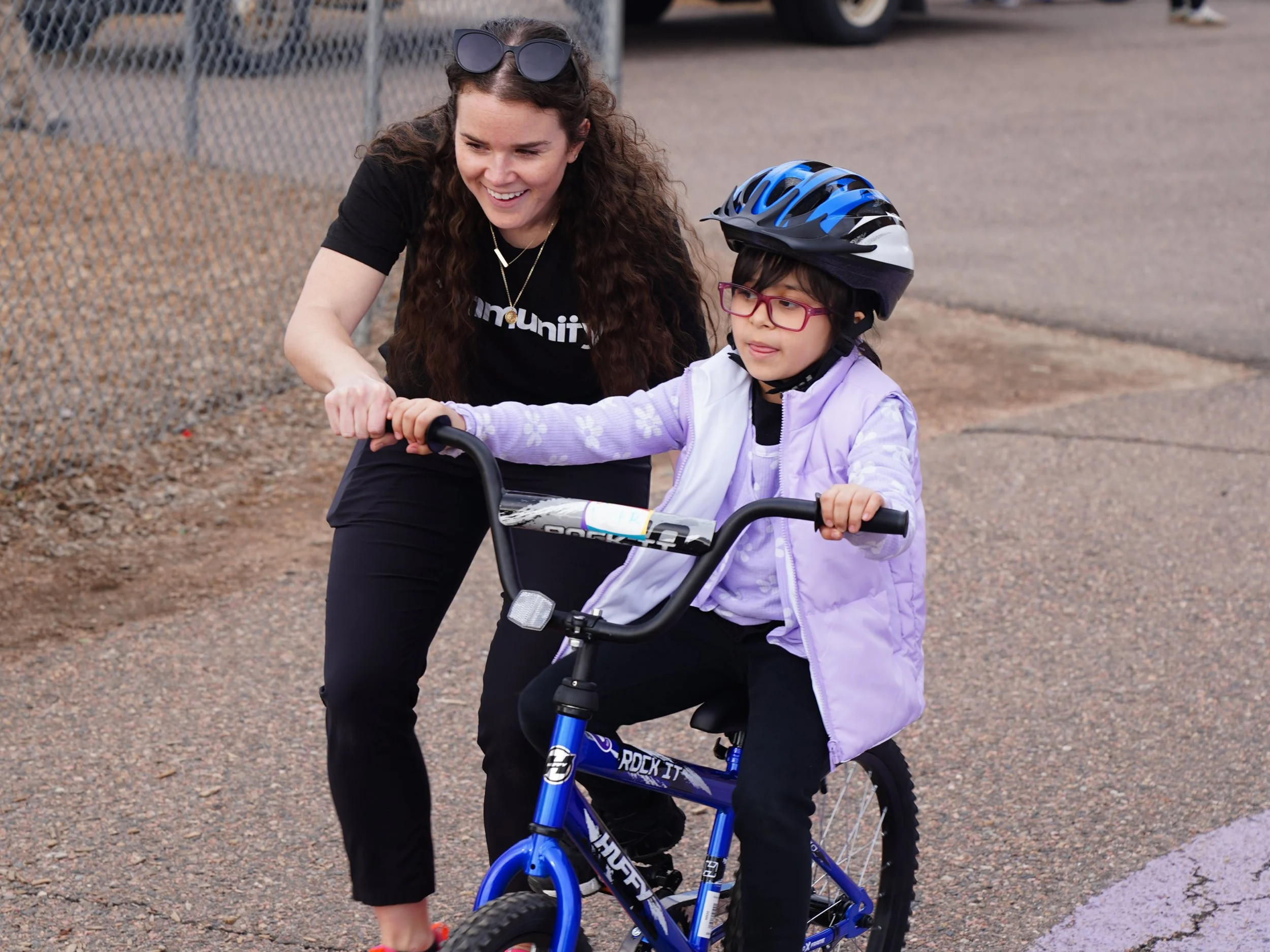
Unlike many traditional team-building formats, charity-based events combine collaboration with a visible outcome. Employees are able to see the direct impact of their efforts, while organizations benefit from stronger participation, positive employee feedback, and meaningful community involvement. As a result, many companies are making charity-focused experiences a larger part of their long-term engagement strategy rather than treating team building as a one-time event.
Building a Long-Term Team-Building Strategy
Effective team-building events can improve collaboration, communication, retention, and employee engagement over time. Organizations that consistently invest in workplace culture often see stronger participation, better cross-department interaction, and improved long-term morale.
Organizations that see the strongest long-term results typically treat team building as an ongoing part of workplace culture rather than a one-time event. Consistent engagement throughout the year often creates stronger collaboration, better communication, and improved participation over time.
Many companies are also combining team-building initiatives with leadership development, employee engagement, and CSR goals to create more meaningful long-term impact. Regular feedback and participation data can help organizations refine future events and improve overall effectiveness.
The Future of Corporate Team Building
Looking ahead, team building will continue to evolve.
Key priorities will include:
Purpose-driven experiences
Inclusive participation
Flexible formats
Measurable outcomes
Organizations that adapt to these changes will be better positioned to engage employees and build strong teams.
The Future of Team Building Is More Than Entertainment
Corporate team building has changed significantly over the last few years. Companies are no longer looking for events that simply fill time or provide short-term entertainment. They are looking for experiences that strengthen collaboration, support employee engagement, and create a more connected workplace culture.
The organizations seeing the strongest results are the ones shifting toward experiences that combine teamwork with meaningful impact. Charity bike builds have become especially effective because they bring together collaboration, CSR involvement, scalability, and emotional connection in a way that traditional team-building formats often cannot match.
As workplace expectations continue to evolve, companies that invest in more intentional and engaging team-building experiences will be better positioned to strengthen culture, improve retention, and create stronger employee relationships over time.
Ready to Plan a Corporate Event Your Team Will Actually Remember?
Wish for Wheels helps companies create memorable team-building experiences that combine collaboration, employee engagement, and meaningful community impact. Whether you're planning a leadership retreat, conference activity, or large corporate event, charity bike builds create a hands-on experience teams actually remember.
Talk to our team to learn how a purpose-driven bike build event can support your employee engagement, culture, and community impact goals.
Frequently Asked Questions About Team Building Activities for Work
What are the best team building activities for work in 2026?
The most effective team-building activities for work in 2026 are the ones that create meaningful interaction, collaboration, and long-term engagement rather than short-term entertainment alone. Charity bike builds, volunteer service projects, hybrid experiential events, leadership workshops, wellness retreats, and collaborative challenges are among the most popular formats. Companies are increasingly prioritizing activities that support both employee connection and broader organizational goals such as CSR involvement or workplace culture improvement.How do you do team building with a hybrid team?
Successful hybrid team building requires creating experiences that actively include both in-person and remote employees. Events should be designed specifically for shared participation rather than treating virtual attendees as secondary participants. Collaborative online challenges, synchronized activities across locations, and hybrid purpose-based events are often more effective than traditional in-person formats adapted for video calls. Clear facilitation and structured interaction are essential for maintaining engagement across distributed teams.What team-building activities work for large groups of 100+?
Large-group team-building events work best when activities can be divided into smaller collaborative teams while still contributing to a shared experience. Charity bike builds, city-wide scavenger hunts, multi-station volunteer events, and large experiential challenges are commonly used for groups of 100 or more employees. These formats help maintain participation and structure while creating interaction between employees across departments or office locations.How is corporate team building different from traditional events?
Modern corporate team building focuses more on collaboration, culture, and meaningful engagement than simple entertainment. Traditional activities such as trust falls, office happy hours, or generic icebreaker games often create only short-term interaction. In contrast, modern team-building experiences are designed to strengthen communication, improve employee connection, and support broader organizational goals such as leadership development or CSR initiatives.Why are companies moving toward charity-based team building?
Many organizations are shifting toward charity-based team-building experiences because they combine collaboration with visible community impact. Employees often respond more positively to events where they can see a meaningful outcome from their participation. Charity bike builds, volunteer projects, and donation-based experiences help companies strengthen employee engagement while also supporting CSR and community involvement goals.What team-building activities work for remote employees?
Remote teams often respond best to activities specifically designed for virtual participation rather than traditional office events adapted online. Interactive workshops, collaborative online challenges, virtual problem-solving activities, and hybrid purpose-based experiences are among the most effective formats. Successful remote events focus on participation and structured interaction rather than passive video meetings.How often should a company do team-building events?
Most organizations schedule team-building activities quarterly, biannually, or throughout the year depending on company size, goals, and workplace structure. Regular engagement is generally more effective than relying on a single annual event because it helps maintain stronger communication, collaboration, and workplace culture over time. The ideal frequency often depends on how quickly teams are growing or changing.What is the ROI of corporate team building?
Effective team building can improve employee engagement, collaboration, communication, and retention, all of which contribute to stronger organizational performance over time. While ROI may not always be measured directly through revenue, companies often evaluate success through employee feedback, participation rates, morale improvements, retention metrics, and post-event engagement surveys. Events that strengthen culture and workplace relationships can create long-term operational benefits for organizations.What makes charity bike builds different from other team-building events?
Charity bike builds combine teamwork with a visible and meaningful outcome, which makes the experience more emotionally engaging than many traditional team-building formats. Employees collaborate to assemble bicycles that are donated to children, creating a direct connection between participation and community impact. These events also scale well for both smaller teams and large corporate groups, making them highly adaptable for different types of organizations.How do I get leadership approval for a team-building event?
Leadership approval is often easier when team-building events are tied to clear business outcomes such as employee engagement, collaboration improvement, leadership development, or CSR goals. Presenting measurable objectives, estimated participation benefits, and alignment with company culture initiatives can help demonstrate value. Organizations are more likely to support events that contribute to both employee experience and long-term workplace performance.
