
Why Every Company Should Invest in Philanthropic Team Building
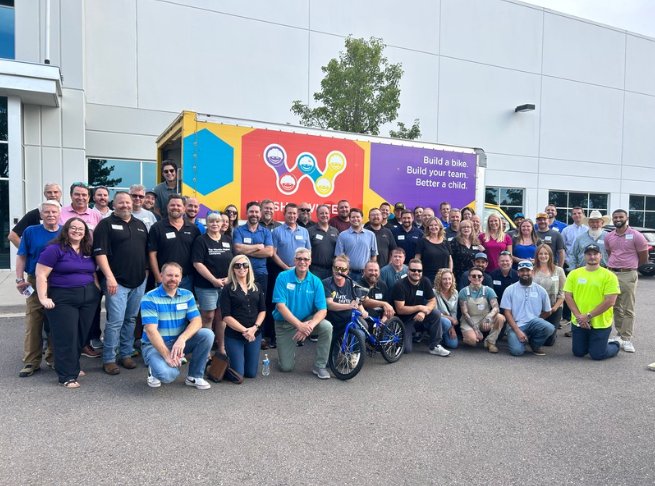
Introduction: The Shift From Traditional Team Building to Purpose-Driven Impact
Companies today are increasingly using corporate team building and corporate social responsibility initiatives to strengthen culture, improve morale, and support their communities. One of the fastest-growing approaches is philanthropic team building, where employees work together on a meaningful project that creates real-world impact.
Unlike traditional activities, purpose-driven experiences combine employee engagement initiatives with a shared goal. This type of charity team building helps employees collaborate, communicate, and feel connected to something larger than their day-to-day work.
Organizations implementing strong CSR programs often discover that meaningful team activities are one of the most effective ways to improve participation and enthusiasm across departments.
For decades, companies have relied on traditional team-building activities to improve morale and collaboration. Off-site retreats, trust exercises, happy hours, and escape rooms have all had their share of popularity. While these activities can be enjoyable, many organizations are realizing that they often fail to create lasting engagement or meaningful connections.
Today’s workforce is changing. Employees, especially Millennials and Gen Z, are no longer motivated by perks alone. They want purpose. They want to feel that their work matters and that their employer shares their values. In fact, company culture, social impact, and community involvement now play a critical role in employee satisfaction, retention, and brand reputation.
This shift has led to the rise of philanthropic team building, an approach that combines collaboration with social impact. Instead of building teams solely through internal activities, companies are strengthening relationships by giving back together. These experiences allow employees to work as a team while making a tangible difference in the lives of others.
Philanthropic team building benefits everyone involved. Employees gain connection and purpose, companies build stronger cultures, and communities receive meaningful support. In this article, we’ll explore why philanthropic team building is no longer optional and why every company should invest in it.
What Is Philanthropic Team Building?
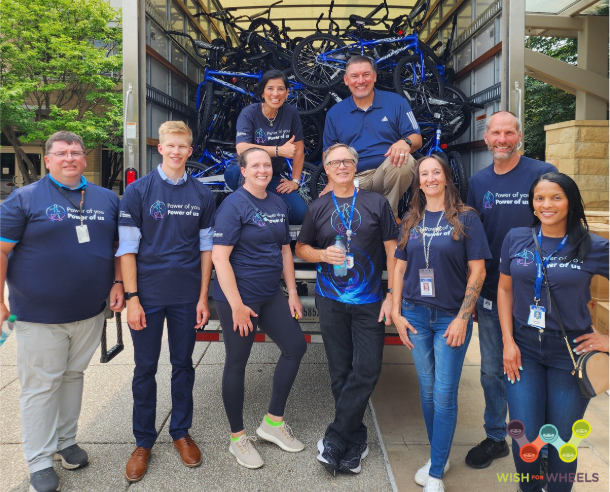
Philanthropic team building is a form of team building events for companies that combines collaboration with community impact. Instead of a typical corporate activity, employees work together toward a tangible outcome that benefits others.
This approach connects CSR employee engagement with real action. When employees actively participate in helping their community, engagement becomes emotional rather than procedural.
Many companies have found that corporate volunteering programs are effective, but hands-on team experiences often generate stronger connections and participation.
Why CSR Activities Improve Employee Engagement
When employees participate in meaningful activities, they develop a stronger emotional connection to their organization. This is why employee engagement activities linked to community impact often outperform traditional internal programs.
A well-designed, purpose-driven team building experience allows employees to:
collaborate naturally
communicate outside their roles
develop trust
feel pride in their workplace
Instead of a one-day event, companies begin to see long-term engagement benefits.
Choosing the Right Corporate Team Building Program
Not every team activity produces lasting results. Companies evaluating corporate team-building programs should consider:
level of participation
alignment with company values
measurable impact
employee feedback
Programs that involve real contribution tend to create stronger engagement than passive activities. Many organizations now seek charity team-building activities because they combine teamwork and purpose.
The Business Case: Why Philanthropic Team Building Works
Increased Employee Engagement
Employee engagement is one of the biggest challenges facing organizations today. Disengaged employees are less productive, less loyal, and more likely to leave. One of the most effective ways to increase engagement is by creating experiences that foster purpose and connection.
Philanthropic team building gives employees a reason to care, not just about the task at hand, but about one another. When people work together to help others, they experience a deeper emotional connection to the activity and to their teammates.
Purpose-driven experiences:
Increase motivation and focus
Create shared pride and accomplishment
Strengthen emotional investment in the company
When employees feel that their employer supports meaningful causes, engagement rises naturally.
Stronger Team Collaboration
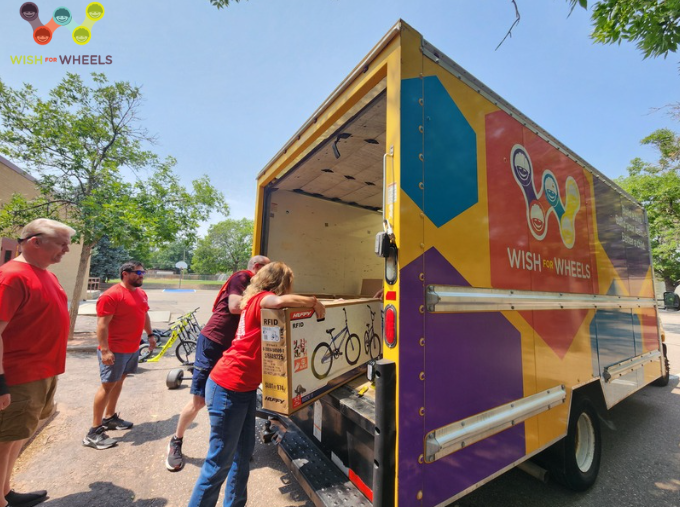
True collaboration isn’t built in a conference room. It’s built when teams face challenges together, communicate openly, and rely on one another to succeed.
Philanthropic team building encourages:
Cross-functional collaboration
Clear communication under time constraints
Collective problem-solving
Trust and mutual respect
Because the goal is external and focused on helping others, traditional hierarchies tend to fade. Leaders and employees work side by side, creating more authentic connections. These experiences often break down silos and translate directly into improved teamwork back in the workplace.
Improved Employee Retention
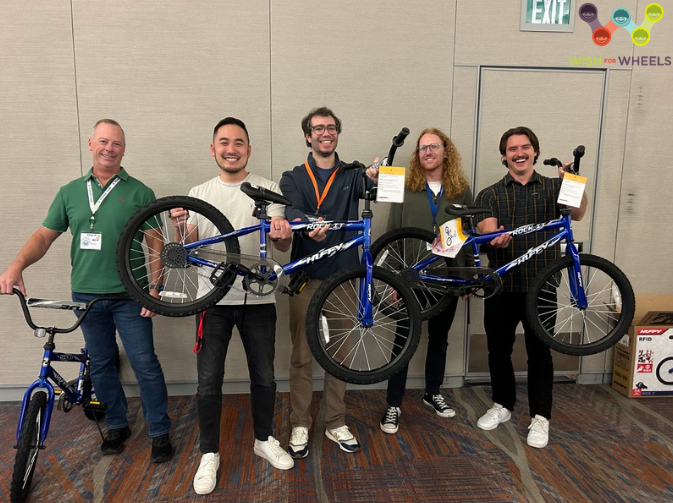
Retention is no longer just about compensation. Employees want to work for organizations that align with their personal values and contribute positively to society.
Companies that invest in philanthropic initiatives demonstrate that they care about more than profits. This builds loyalty, pride, and long-term commitment.
Replacing an employee can cost significantly more than investing in a meaningful team-building experience. Philanthropic team building isn’t just a feel-good initiative; it’s a smart business decision that supports retention and reduces turnover.
The Human Impact: Why Giving Together Matters
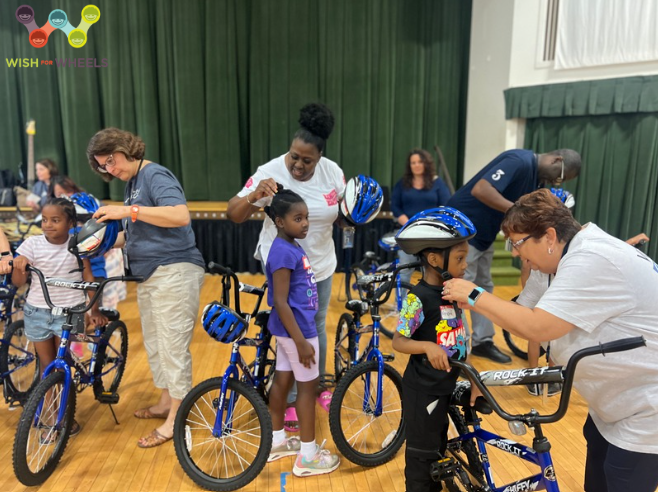
There’s something uniquely powerful about giving as a group. Shared acts of generosity create emotional bonds that traditional activities simply can’t replicate.
When teams give together:
They experience empathy and gratitude
They build stronger emotional connections
They create shared memories tied to positive impact
These moments become part of a company’s story. Workers remember what they did, how it felt, and how they shared it.
Unlike writing a check, hands-on philanthropic experiences allow employees to see and feel their impact. That emotional resonance strengthens both interpersonal relationships and organizational culture.
Philanthropic Team Building and Corporate Social Responsibility (CSR)
Corporate Social Responsibility has evolved. Today, stakeholders expect companies to actively contribute to social good in authentic and measurable ways.
Philanthropic team building supports CSR and ESG goals by:
Demonstrating community investment
Encouraging employee participation
Supporting diversity, equity, and inclusion initiatives
Building long-term nonprofit partnerships
Importantly, it avoids the pitfalls of “check-the-box” CSR. When employees are actively involved, philanthropy becomes embedded in company culture rather than a marketing exercise.
Organizations that prioritize authentic social impact build stronger trust with employees, customers, and communities alike.
Why Supporting Children Causes Powerful Impact
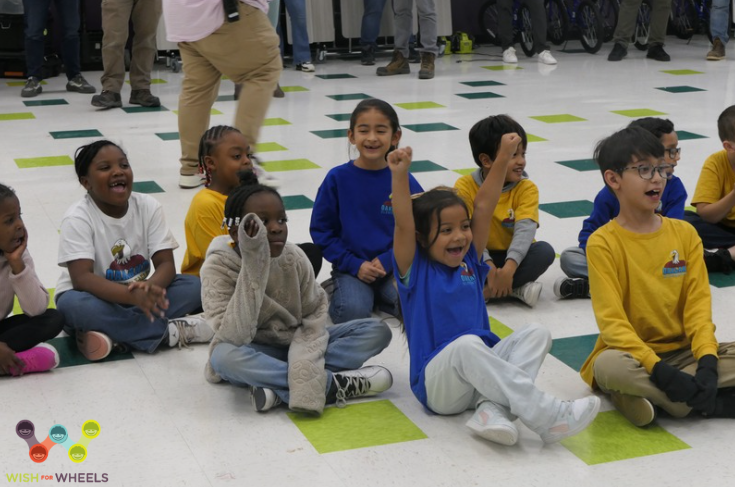
While many causes are worthy, initiatives that support children and education tend to resonate deeply with employees.
Helping children:
Feels hopeful and future-focused
Creates emotional connection and empathy
Aligns with values around opportunity and equity
Early support can have long-term ripple effects, improving confidence, health, and educational outcomes. Employees often feel a strong sense of pride knowing their efforts directly impact a child’s life.
This emotional connection makes philanthropic team building more memorable and meaningful, strengthening both personal fulfillment and team cohesion.
Case Example: Philanthropic Team Building With Wish for Wheels
What Makes Wish for Wheels Unique
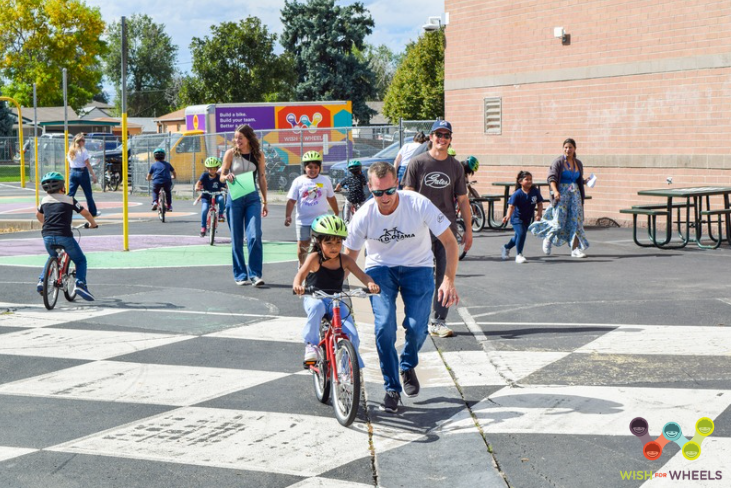
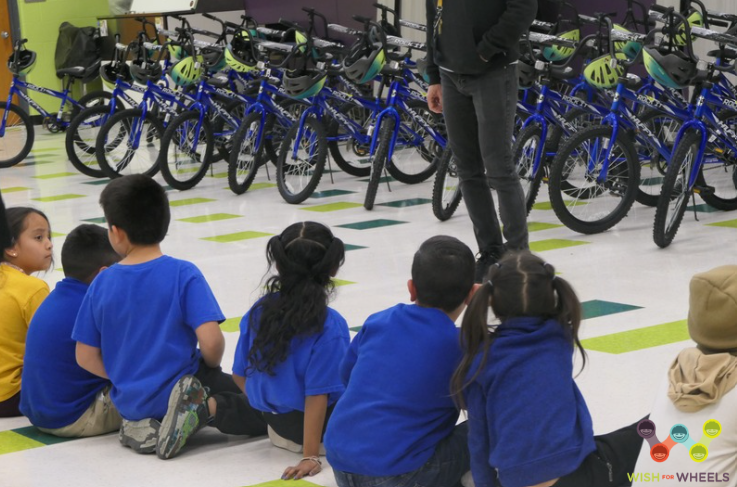
Wish for Wheels is a nonprofit organization dedicated to transforming the lives of under-resourced second-grade children by providing new bikes and helmets, gifts that represent freedom, confidence, and opportunity.
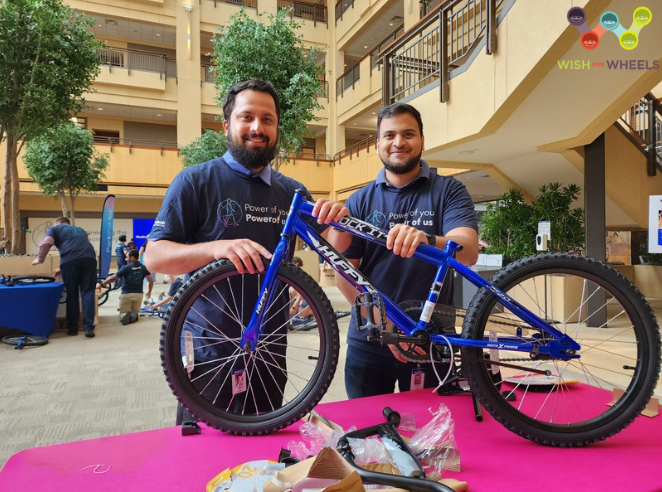
What makes Wish for Wheels especially powerful for corporate teams is its Build & Give Program. Employees don’t just donate; they actively participate in the entire experience.
Teams:
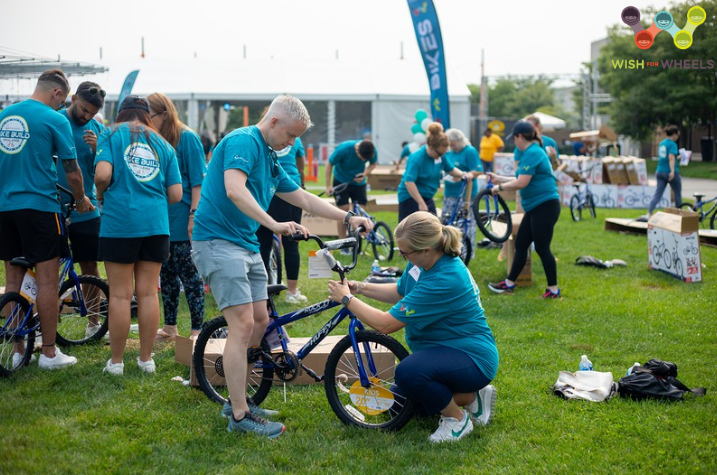
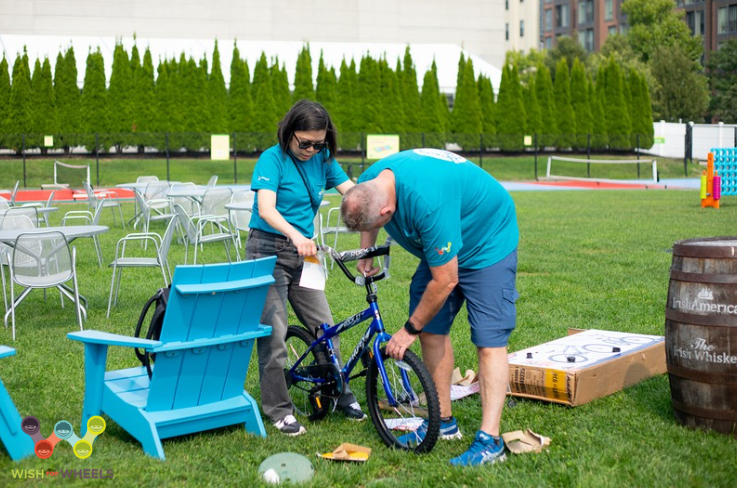
Build & Give teams work together in a hands-on, purpose-driven experience that combines collaboration, problem-solving, and direct community impact.
Build bikes from the foundation up.
Problem-solve and communicate throughout the build process
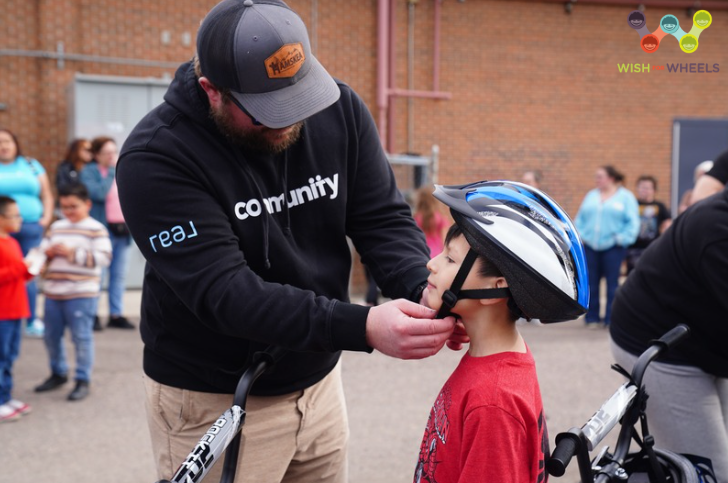
Personally deliver bikes to children in need
This hands-on approach creates an immediate, visible impact that employees never forget.
Benefits for Corporate Teams
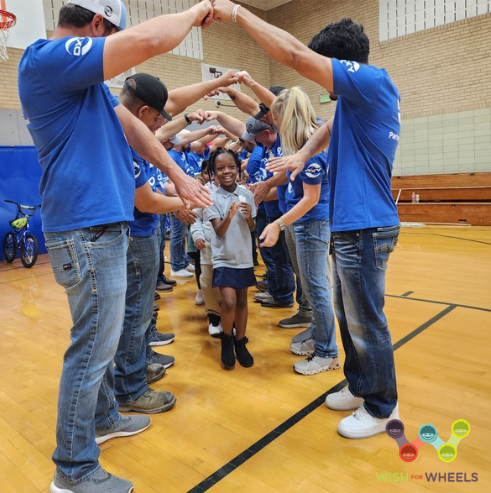
Wish for Wheels events aim to foster inclusivity, engagement, and scalability. No special skills are required, just teamwork and enthusiasm.
These experiences are ideal for:
Corporate retreats
Leadership development programs
CSR and ESG initiatives
Employee appreciation events
Teams leave with:
Stronger relationships
Increased morale
A shared sense of purpose
Benefits for the Community

For children, receiving a bike is life-changing. It provides:
Independence and mobility
Confidence and self-esteem
Opportunities for physical activity and play
By partnering with local schools, Wish for Wheels ensures that bikes reach children who need them most, creating meaningful, lasting impact in the community.
How to Implement a Successful Philanthropic Team-Building Program
Companies looking to invest in philanthropic team building should follow a thoughtful approach:
Align with company values: Choose causes that reflect your organization’s mission and culture.
Select a cause with tangible impact: Employees connect more deeply when they can see the results of their efforts.
Partner with a trusted nonprofit: Work with organizations experienced in managing impactful events.
Make it hands-on and collaborative: Design activities that require teamwork and communication.
Reflect and share the experience: Encourage employees to share stories, photos, and reflections to reinforce impact.
When done well, philanthropic team building becomes a cornerstone of company culture.
Measuring the ROI of Philanthropic Team Building
While some benefits are intangible, companies can measure success through:
Employee engagement surveys
Retention and turnover rates
Participation and feedback
Internal morale and
Collaboration
Beyond metrics, the true ROI lies in:
Stronger culture
Increased pride and loyalty
Positive brand reputation
Philanthropic team building delivers value that extends far beyond the event itself.
The Future of Team Building: Purpose Is No Longer Optional
The future of work is purpose-driven. Employees expect companies to contribute to something bigger than themselves.
Organizations that invest in philanthropic team building will:
Attract top talent
Retain engaged employees
Build resilient, values-driven cultures
Having a sense of purpose is no longer a “nice-to-have”; it is now considered a competitive advantage.
Conclusion: Building Stronger Teams by Building Better Communities

Philanthropic team building represents the intersection of business success and social impact. By giving together, companies strengthen collaboration, improve employee engagement, and create meaningful change beyond the workplace. These shared experiences foster trust, empathy, and a sense of purpose among team members. When employees collaborate to help others, the results are powerful: deeper connections, a stronger and more values-driven culture, and lasting community impact that benefits both the organization and the people it serves.
Partner With Wish for Wheels
If your company is ready to build stronger teams while changing children’s lives, Wish for Wheels offers a proven, impactful solution.
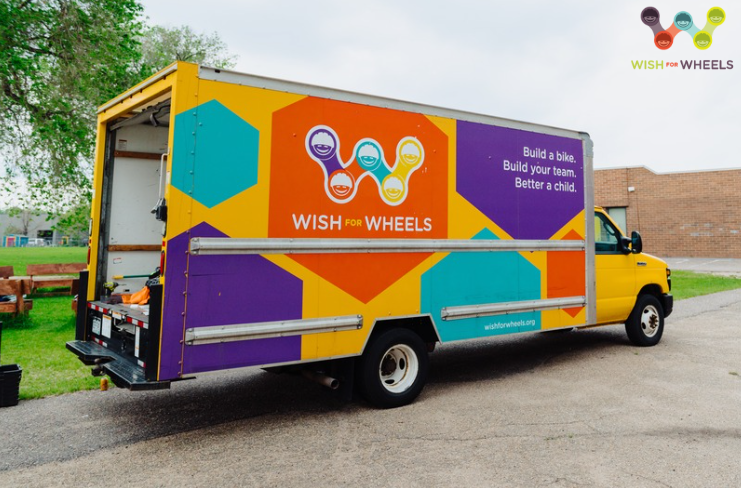
Host a Build & Give event, engage your employees in meaningful service, and invest in a future where teamwork and purpose go hand in hand.
Build bikes. Build teams. Build brighter futures—together.
Frequently Asked Questions
What is philanthropic team building?
Philanthropic team building is a team-building activity that gives back to the community while helping employees collaborate and connect.How does CSR improve employee engagement?
Strong CSR employee engagement occurs when employees actively participate in meaningful initiatives rather than simply observing them.What are corporate team-building programs?
Corporate team-building programs are structured activities designed to improve communication, collaboration, and workplace relationships.Are charity team-building activities effective?
Yes. Studies and corporate feedback show that charity team-building activities often produce stronger morale and participation than traditional events.
