
How to Plan a Corporate Team Building Event: The Complete 2026 Guide
Introduction: Why Team Building Needs a Smarter Approach
Corporate team building has evolved.
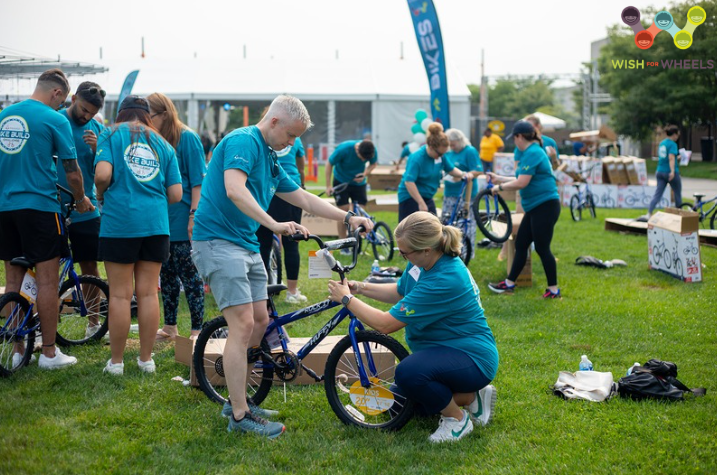
If you're wondering how to plan a corporate team building event that actually drives engagement and delivers long-term value, the answer lies in creating experiences that combine collaboration, purpose, and impact.What once meant simple activities or one-time events has now become a strategic tool for improving employee engagement, strengthening culture, and driving business outcomes.
Organizations today are not just asking, “What activity should we plan?” They are asking, “How do we create an experience that actually matters?”
Planning a successful corporate team-building event requires more than logistics. It requires intention, alignment, and a clear understanding of what employees value.
This guide walks through how to plan a corporate team-building event from start to finish, with a focus on creating meaningful, high-impact experiences.
Modern employees expect more than routine activities or one-time engagement sessions. They want experiences that create connection, improve collaboration, and reflect the values of the organization they work for. Team-building today plays a major role in retention, morale, and long-term workplace culture.
Organizations working with Wish for Wheels are already seeing how purpose-driven team-building can improve engagement while making a real difference in the community.
Step 1: Define the Purpose of Your Event
Before choosing an activity or venue, start with clarity.Understanding how to plan a corporate team building event starts with defining a clear purpose that aligns with your organization’s goals.
Ask:
What is the goal of this event?
Are you trying to improve collaboration, boost morale, or support a larger company initiative?
How should employees feel after the experience?
Without a clear purpose, even well-executed events can fall flat.
Many organizations are shifting toward experiences that combine team-building with impact. For example, purpose-driven programs like the Bike Build & Give program help teams connect their efforts to a meaningful outcome while strengthening collaboration.
Step 2: Understand Your Audience
Not every team-building event works for every group.
Consider:
Team size
Employee demographics
Work environment (remote, hybrid, in-office)
Energy levels and preferences
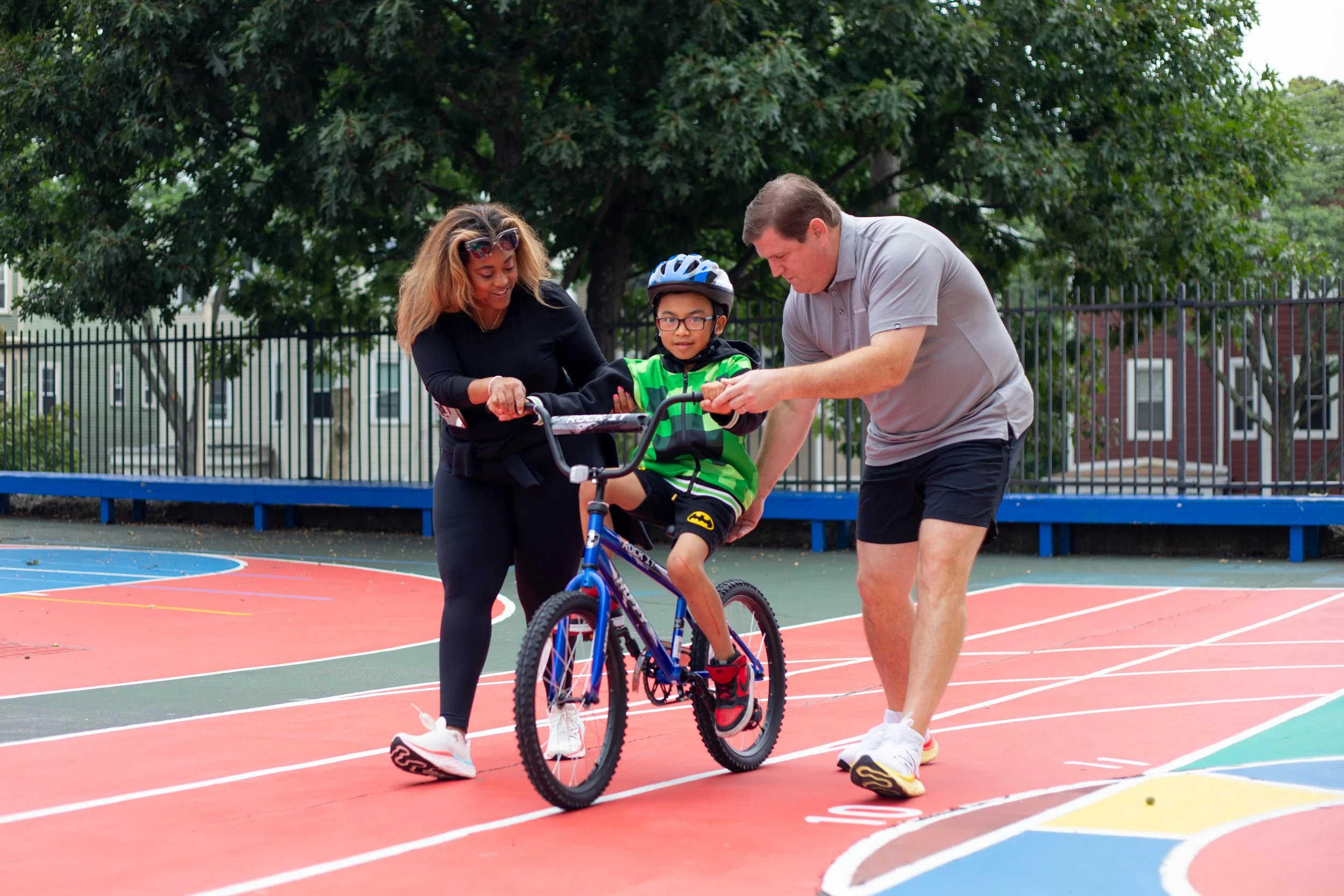
Some teams prefer active, hands-on experiences, while others respond better to structured or reflective activities.
The key is to design an experience that feels inclusive and engaging for everyone involved.
Understanding your audience also helps avoid low participation and disengagement during the event. When activities match employee preferences and comfort levels, teams participate more actively, and the overall experience becomes more effective.
It is also important to consider the diversity within your team. Different departments, experience levels, and working styles can influence how employees engage with team-building activities. A well-planned event should accommodate these differences to ensure maximum participation and effectiveness.
For remote or hybrid teams, virtual or multi-location formats can help maintain engagement and participation across distributed teams.
Planning a successful corporate team building event requires understanding how team dynamics and preferences influence participation and engagement.
Step 3: Choose the Right Team-Building Experience (Including Charity Options)
This is where many companies make a critical mistake.
They choose activities based on convenience rather than impact.
Before finalizing your choice, it helps to review 10 Questions to Ask Before Choosing a Corporate Team Building Activity to ensure the experience aligns with your team’s goals and expectations.
Traditional options like icebreakers or trust exercises may offer short-term engagement, but they often lack lasting value.
As discussed in the blog on employee engagement through community service, meaningful experiences foster stronger emotional connections and more lasting engagement.
Consider experiences that:
Encourage collaboration
Create shared goals
Deliver a sense of purpose
Purpose-driven events, such as charity-based team-building, are increasingly effective because they combine engagement with real-world impact.For many organizations, charity bike build events have become a preferred choice because they combine team collaboration with real community impact, making the experience more engaging and memorable.
For a deeper understanding of how these events work and why they are so effective, explore this complete guide to charity bike builds for corporate teams.
In addition, organizations should evaluate whether the experience creates a lasting impression beyond the event itself. Activities that combine collaboration with purpose tend to leave a stronger emotional impact, which improves retention and long-term engagement. This is one reason why charity-based team-building experiences continue to gain popularity across organizations of all sizes.
Step 4: Set a Realistic Budget and Scope
Budget plays a major role in shaping your event.
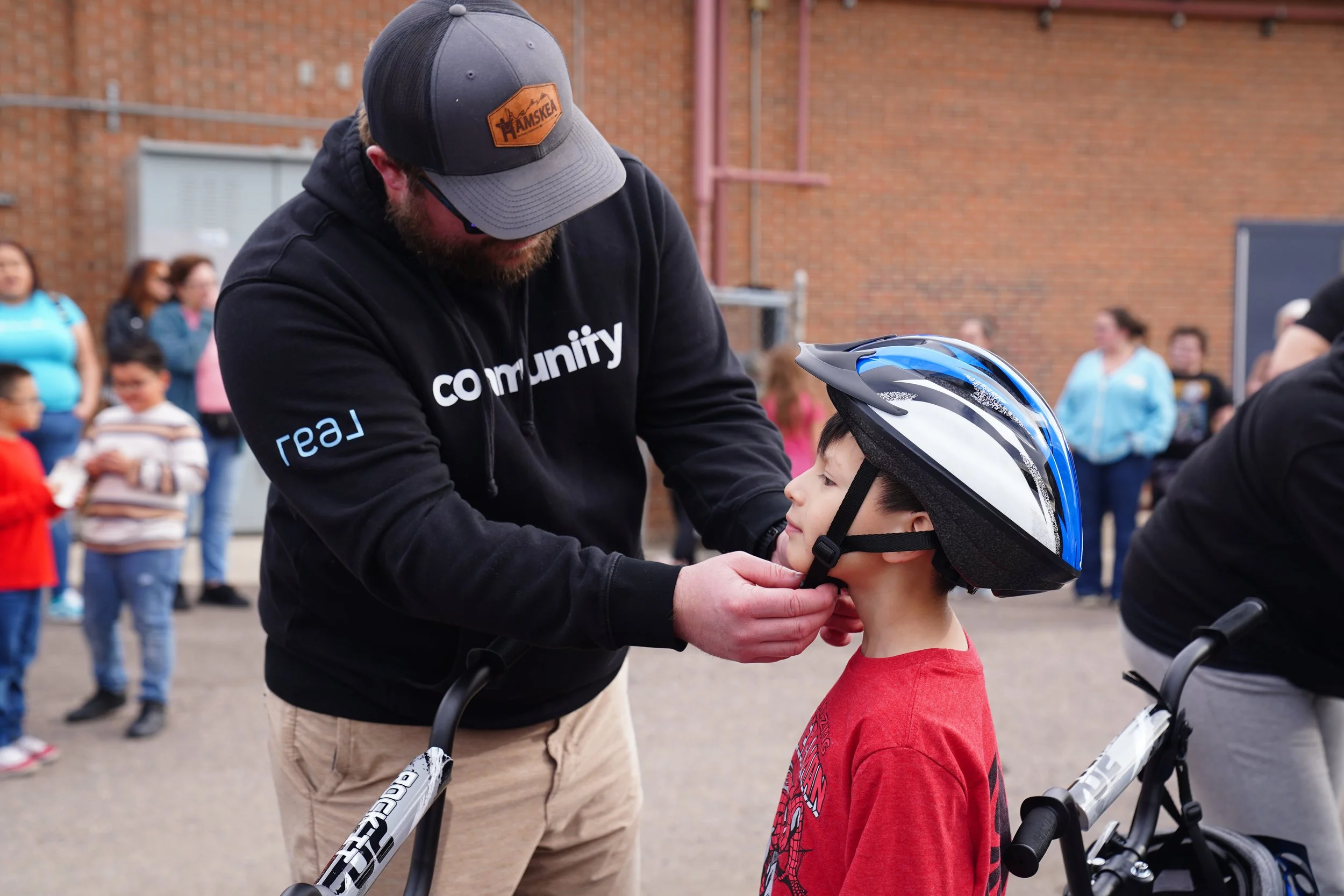
Factor in:
Venue or platform costs
Materials and supplies
Facilitation or program fees
Food and logistics
Travel, if applicable
Rather than focusing only on cost, consider the return on investment.
Most corporate team building events typically range from $75 to $250 per person, depending on group size, format, and whether the event includes a charitable component.
Events that include a charitable component, such as charity bike builds, may have slightly higher costs due to materials and donations, but they often deliver significantly greater engagement and long-term value.
An event that improves engagement, strengthens relationships, and supports company values can deliver long-term benefits that outweigh the initial expense.
Companies should also consider indirect returns such as stronger employee retention, improved collaboration, and better workplace morale. These long-term benefits often create far more value than the event cost itself.
Step 5: Plan the Logistics
Once the direction is clear, focus on execution.
Key logistics include:
Venue or Format
Choose between in-person, virtual, or hybrid formats depending on your team structure.
Timeline
Set a clear schedule that balances structured activities with flexibility.
Materials
Ensure all necessary tools, equipment, or supplies are prepared in advance.
Facilitation
Decide whether the event will be internally led or supported by an external partner.
Strong planning ensures a smooth experience and allows participants to stay focused on engagement rather than logistics.
Working with a provider that specializes in charity bike builds can simplify logistics while ensuring a smooth and impactful experience.
Many companies plan team-building events during Q1 and Q4, which are peak periods for corporate engagement initiatives.
Step 6: Incorporate Community Impact: Why Charity Bike Builds Work Here
This is where great events stand out.
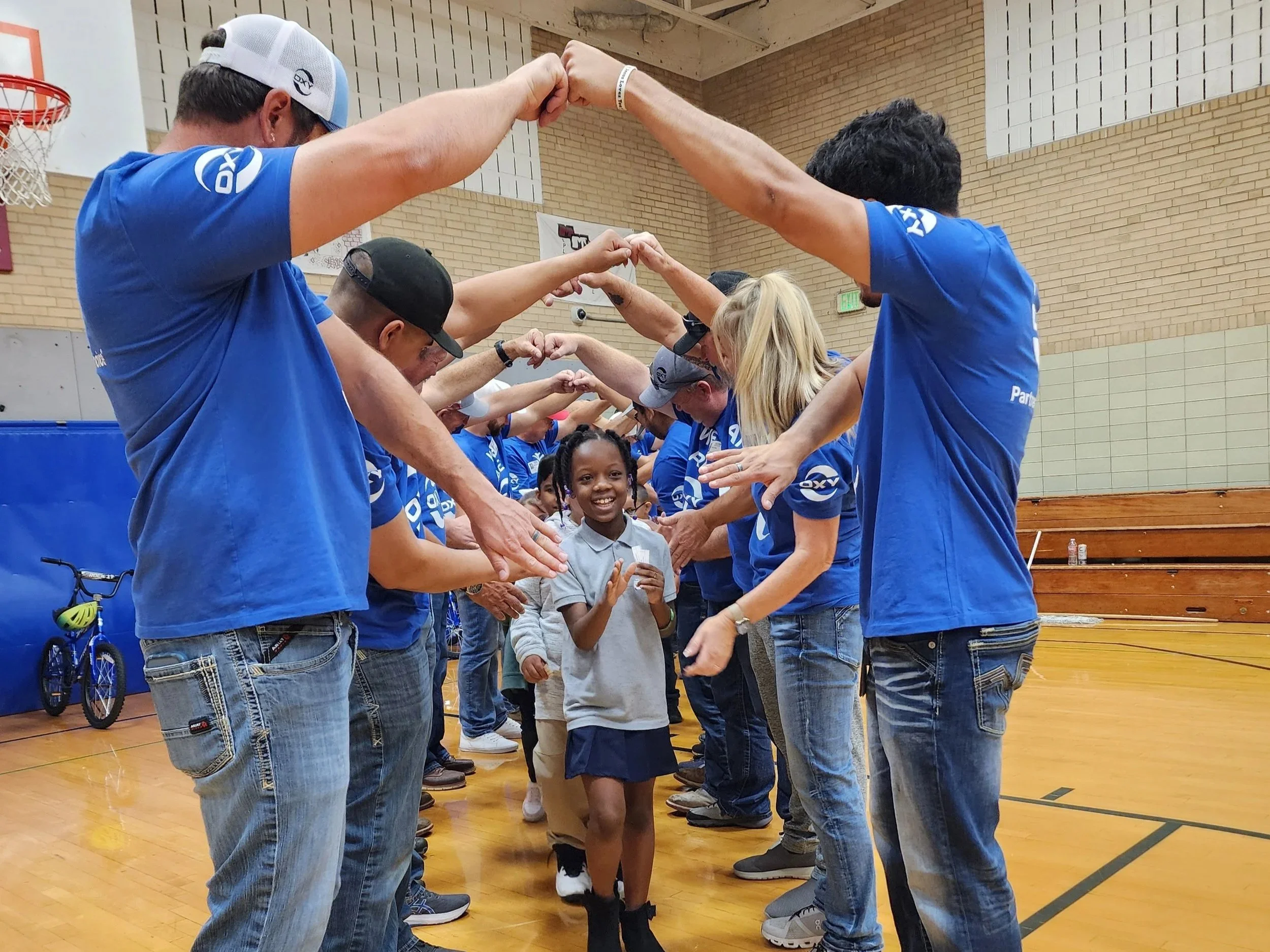
Employees are more engaged when they feel their time is contributing to something meaningful.
Programs that integrate community impact, such as corporate social responsibility initiatives, help organizations connect team-building with a broader mission.
This approach is further explained in Why Every Company Should Invest in Philanthropic Team Building, which highlights how purpose-driven initiatives improve both employee engagement and community impact.
As explored in employee engagement and corporate social responsibility, aligning engagement efforts with impact creates stronger cultural alignment and employee satisfaction.
Experiences like charity bike builds allow teams to collaborate while directly contributing to a meaningful cause, creating both emotional and organizational value.
If you're considering this approach, this charity bike build ultimate guide explains how these events are structured and the impact they create for both teams and communities.
Want to incorporate community impact into your next event? See how a charity bike build works.
For example, companies partnering with Wish for Wheels have successfully engaged teams through charity bike build events where employees collaborate to build bikes that are later donated to children in need, creating a meaningful and memorable experience.
Step 7: Create Opportunities for Collaboration
Team-building should not feel forced.
Design activities that naturally encourage:
Communication
Problem-solving
Shared decision-making
Hands-on experiences are especially effective because they require active participation and teamwork.
For example, in a structured build experience, teams must coordinate tasks, manage time, and work toward a shared outcome, reinforcing collaboration in a practical way.
Collaborative activities also help break communication barriers between departments that may not interact regularly. This improves workplace relationships and creates stronger alignment across teams after the event is over.
When teams collaborate in a structured and meaningful environment, they develop stronger communication patterns that carry over into the workplace. This not only improves team performance but also reduces silos between departments.A well-designed corporate team building event helps improve communication, strengthen relationships, and create a more collaborative work environment.
Step 8: Focus on the Experience, Not Just the Activity
A successful team-building event is not defined by the activity itself but by how it makes participants feel.
Ask:
Is the experience engaging from start to finish?
Does it create moments of connection?
Will employees remember it beyond the event day?
As highlighted in beyond the trust fall Corporate Team-Building, organizations are moving away from routine activities toward experiences that create lasting impact.
The difference lies in intention and execution.
This is why many organizations are choosing charity bike builds, where the experience goes beyond the activity and creates lasting emotional and social impact.
Experiences that create emotional engagement are more likely to be remembered by employees long after the event ends. This is especially important for organizations aiming to improve long-term culture and team cohesion.
Step 9: Measure Success
After the event, evaluate its effectiveness.
Consider:
Employee feedback
Participation levels
Engagement during the event
Alignment with initial goals
You can also look at longer-term indicators such as:
Improved collaboration
Increased morale
Stronger team relationships
Measuring success helps refine future events and ensures continuous improvement.
A simple post-event survey can help measure effectiveness. For example:
Did this event improve your connection with your team?
Did you find the experience meaningful and engaging?
Would you participate in a similar team-building event again?
These insights help organizations understand what worked and how to improve future events.
Post-event surveys, manager feedback, and team performance observations can help identify what worked best. This allows organizations to improve future events and make team-building a more strategic long-term investment.
Step 10: Extend the Impact Beyond the Event
The best team-building events do not end when the activity is over.
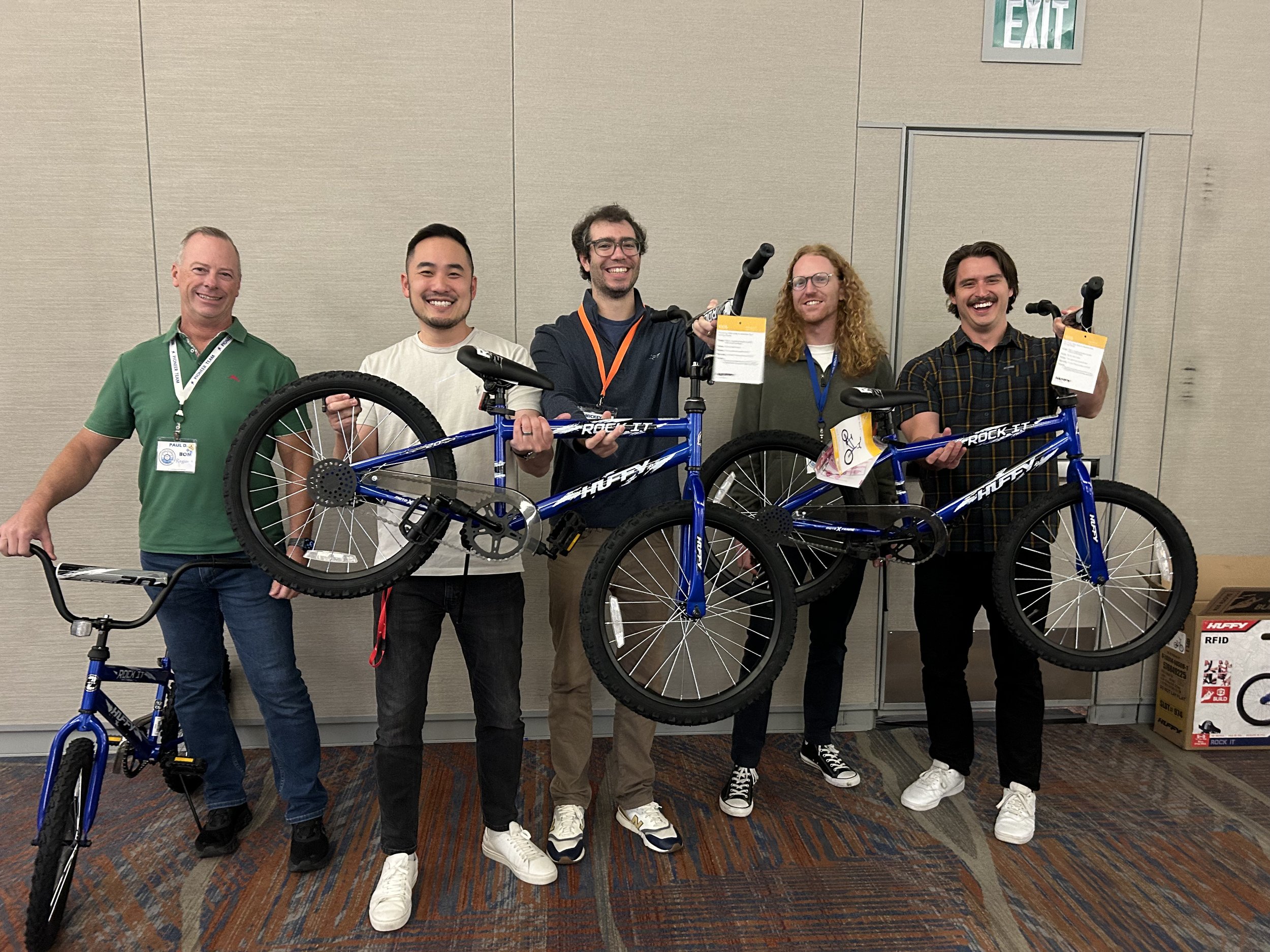
To maximize impact:
Share photos and highlights internally
Celebrate outcomes and achievements
Reinforce key messages through follow-up communication
If your event includes a community impact component, share the story.
This not only strengthens internal engagement but also reinforces your organization’s commitment to purpose.
Organizations that treat team-building as a long-term strategy rather than a one-time event often see stronger employee engagement and better business outcomes. The right experience creates lasting value, improves workplace culture, and helps teams perform at a higher level.
Organizations that consistently reinforce the outcomes of team-building events often see improved employee engagement over time. Sharing success stories internally helps employees feel valued and connected to the company’s mission.
Step 11: Consider a Charity Bike Build: The All-in-One Solution
For organizations looking to combine engagement, collaboration, and social impact, charity bike builds offer a complete solution. These events bring teams together to build bikes for children in need, creating a powerful shared experience.
This approach delivers both immediate engagement and long-term impact, making it one of the most effective corporate team-building options available today.
What Makes a Team-Building Event Truly Successful?
A successful corporate team-building event goes beyond participation. It creates meaningful engagement, encourages collaboration, and aligns with company values.
Organizations that focus on purpose-driven experiences often see stronger results because employees feel more connected to both the activity and the outcome. When teams understand the impact of their efforts, the experience becomes more memorable and valuable.
This is why modern team-building is shifting toward experiences that combine engagement with purpose, creating long-term benefits for both employees and organizations.
Common Mistakes to Avoid When Planning a Corporate Team-Building Event
Even well-planned events can fall short if certain mistakes are overlooked. One common issue is focusing too much on the activity rather than the outcome, which can lead to low engagement.
Another mistake is not aligning the event with company goals or employee expectations. Without clear direction, the experience may feel disconnected and ineffective.
Organizations should also avoid poor planning around logistics and communication, as this can impact participation and overall experience. Taking the time to plan strategically helps ensure that the event delivers meaningful and lasting results.
Conclusion: Plan a Team-Building Event That Actually Delivers Impact
Planning a corporate team-building event is no longer about filling time with activities. It’s about creating an experience that drives real engagement, strengthens collaboration, and delivers meaningful impact.
For organizations looking to combine team-building with purpose, charity bike builds offer a proven solution. These events bring teams together while directly contributing to a cause, creating both immediate engagement and long-term value.
Ready to plan your charity bike build? Start creating a purpose-driven team-building experience that your employees will remember and your organization will benefit from.
Plan Your Charity Bike Build and create a meaningful team-building experience that delivers real impact.
When planned strategically, a corporate team-building event can deliver long-term value by improving communication, strengthening relationships, and aligning teams with organizational goals.
FAQs: Corporate Team Building Events
What is the first step in planning a corporate team-building event?
The first step is defining a clear purpose. Understanding your goals helps guide all other decisions, from activity selection to logistics. A clear purpose also helps align the event with broader business goals such as employee engagement, collaboration, or company culture.How do you choose the right team-building activity?
Choose an activity that aligns with your team’s preferences, company goals, and desired outcomes. Purpose-driven experiences often create stronger engagement. Activities that include purpose-driven elements, such as charity-based experiences, tend to create stronger engagement and long-term impact.What is the ideal duration for a team-building event?
The ideal duration should balance engagement with productivity, ensuring employees remain focused and energized throughout the experience. Shorter events may work well for quick engagement, while full-day experiences are better suited for deeper collaboration and meaningful outcomes.How can team-building improve employee engagement?
When employees feel genuinely connected during these experiences, it positively impacts motivation and workplace satisfaction. Over time, this can lead to improved collaboration, stronger relationships, and higher overall performance within teams.Are virtual team-building events effective?
Interactive elements such as live collaboration tools, breakout sessions, and guided facilitation can significantly improve the effectiveness of virtual team-building experiences. When designed well, virtual events can be just as engaging as in-person activities.How do you measure the success of a team-building event?
Success can be measured through feedback, participation, engagement levels, and alignment with initial goals. Using surveys, feedback forms, and participation data can provide measurable insights into the effectiveness of the event.Why are purpose-driven team-building events becoming popular?
These experiences often create a stronger emotional connection compared to traditional activities, making them more memorable for employees. They also give teams a sense of purpose, which increases engagement and reinforces company values.How often should companies organize corporate team-building events?
Many organizations plan team-building events quarterly, biannually, or annually, depending on team size and business goals. Regular team-building helps maintain employee engagement, improves workplace relationships, and creates a stronger company culture over time.Can corporate team-building events support leadership development?
Yes, team-building events often create opportunities for leaders to improve communication, decision-making, and team coordination skills. Leadership participation also helps build trust and stronger relationships between management and employees.What makes charity-based team-building more effective than traditional activities?
Charity-based team-building combines collaboration with a real community impact, making the experience more meaningful for employees. Unlike traditional activities, employees remember the purpose behind the event, which leads to stronger engagement and longer-lasting team connection.
