
Team Building for New Employees: How to Integrate Teams Through Shared Purpose
Introduction
Starting a new job is exciting, but it can also feel overwhelming. New employees are expected to learn unfamiliar systems, understand company processes, meet new colleagues, and adapt to a different workplace culture, often within just a few weeks. While most organizations invest significant time in onboarding, many overlook one of the most important factors influencing long-term success: helping new hires build meaningful relationships.
Employees who build strong workplace relationships often feel more engaged, collaborate more effectively, and develop a greater sense of belonging within their organization. Yet many onboarding programs focus heavily on paperwork, compliance training, and technology setup while giving employees few opportunities to develop those personal connections.
This is where purpose-driven team building can make a meaningful difference. Instead of relying solely on introductions or icebreaker activities, organizations can create experiences where new and existing employees work together toward a shared goal. These experiences help people connect naturally while reinforcing company values and creating a sense of belonging from the very beginning.
Organizations looking to create stronger workplace relationships can also explore how community service can strengthen employee engagement, which explains how volunteer experiences encourage authentic collaboration while strengthening company culture.
In this guide, we'll explore why integrating new employees is critical to organizational success, the challenges many new hires face during their first few months, and how shared-purpose team-building experiences help create stronger, more connected teams.
Why Employee Integration Matters More Than Ever
Hiring great talent is only the beginning of the employee journey.
Helping new hires feel welcomed, supported, and connected often determines whether they become engaged, long-term contributors or begin looking for opportunities elsewhere. The first few months shape how employees view their organization, their managers, and their future within the company.
According to Gallup's Employee Experience: Strategies for Improvement, only 12% of employees strongly agree that their organization does a great job of onboarding, highlighting the need for onboarding experiences that build meaningful workplace relationships from day one.
Employee integration also affects the entire team.
When new employees feel comfortable asking questions, collaborating across departments, and participating in conversations, they contribute ideas more confidently and become valuable team members much sooner. On the other hand, employees who feel isolated may hesitate to seek help, delaying both their development and overall team performance.
Successful organizations recognize that onboarding is not simply about introducing policies or completing administrative tasks. It is about helping people feel like they belong.
Purpose-driven experiences accelerate that process by giving employees meaningful opportunities to work alongside colleagues, solve problems together, and contribute toward something larger than themselves.
Common Challenges New Employees Face
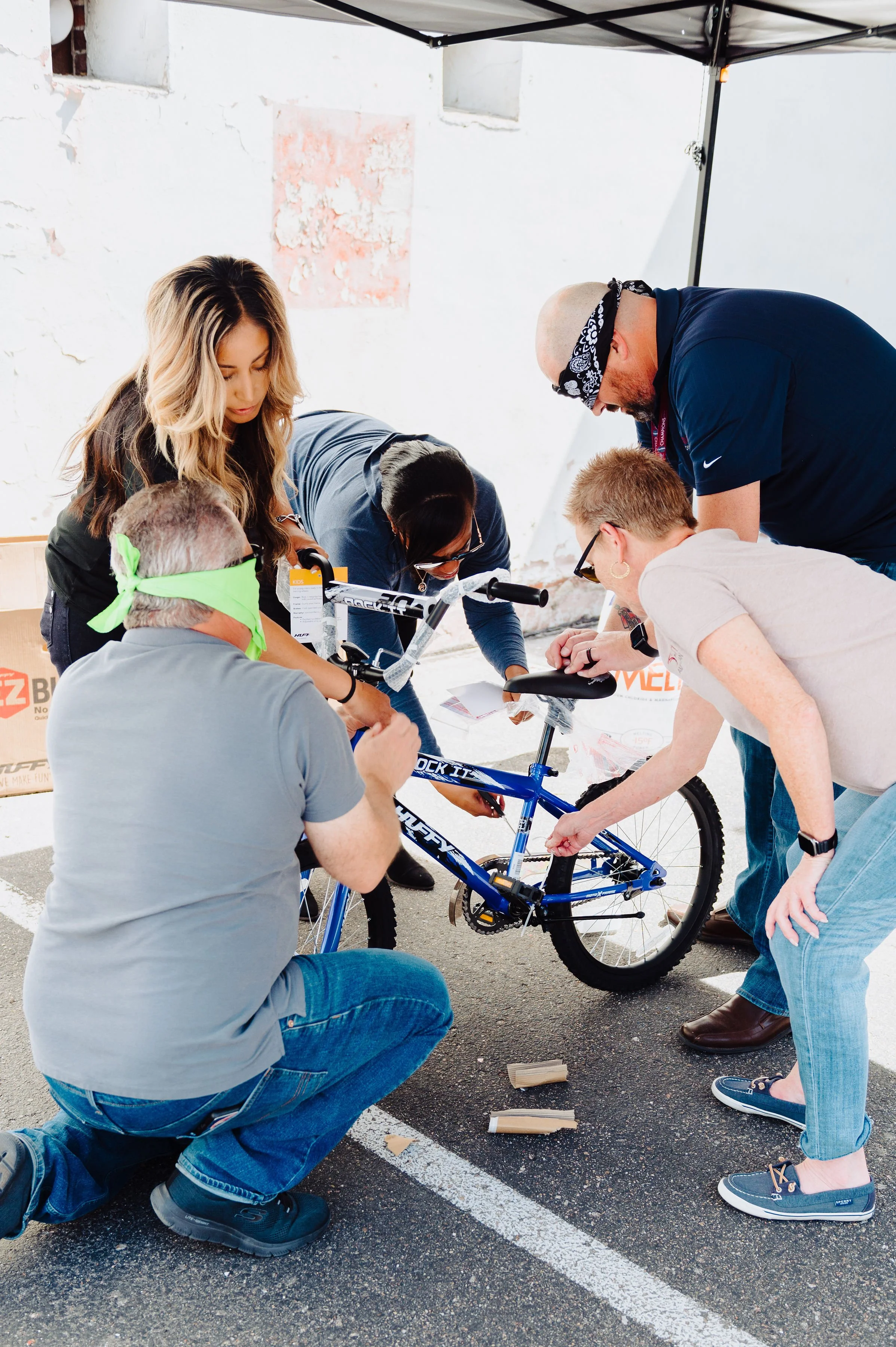
Every new employee brings valuable skills and fresh perspectives.
However, even experienced professionals often encounter similar challenges during their first weeks with a new organization. Understanding these obstacles helps employers design onboarding experiences that address both practical needs and human connection.
Feeling Like an Outsider
Joining an established team can feel intimidating.
Existing employees already have working relationships, shared experiences, and communication styles that have developed over time. New hires may worry about fitting in or finding their place within the team.
Without opportunities to interact naturally with colleagues, these feelings can last much longer than organizations expect.
Building Relationships Across Departments
Many onboarding programs introduce employees to their immediate team but provide limited opportunities to connect with people from other departments.
As organizations grow, cross-functional collaboration becomes increasingly important. Employees who build relationships across departments early often find it easier to communicate, solve problems, and work together on future projects.
Purpose-driven team-building activities naturally encourage these broader connections by bringing together employees from different roles and backgrounds around a common objective.
Information Overload
During the first few weeks, employees receive an enormous amount of information.
Training sessions, company policies, technology systems, organizational charts, and new responsibilities all compete for attention. While this information is essential, it can quickly become overwhelming.
Meaningful team-building experiences provide a welcome balance by allowing employees to step away from presentations and engage with colleagues in a more relaxed and collaborative environment.
Understanding Company Culture
Culture cannot be learned from an employee handbook alone.
Employees understand company values by observing how leaders communicate, how colleagues work together, and how decisions are made throughout the organization.
Shared experiences help reinforce these values in a practical way. Instead of simply reading about collaboration or community involvement, employees experience those values through meaningful action.
Organizations committed to strengthening workplace culture can also explore the connection betweenemployee engagement and corporate social responsibility and how purpose-driven initiatives can reinforce organizational values while improving engagement.
Gaining Confidence
Confidence plays a significant role in successful onboarding.
Employees who quickly develop trusted relationships are more comfortable asking questions, sharing ideas, and seeking feedback. Those connections help reduce uncertainty and encourage active participation from the very beginning.
Creating opportunities for employees to collaborate outside of their day-to-day responsibilities often builds confidence faster than formal onboarding sessions alone.
Why Traditional Onboarding Isn't Always Enough
Every organization needs structured onboarding paperwork, policies, technology training, and role clarity. These provide employees with the foundation to do their jobs effectively. But they leave relationship-building almost entirely to chance.
While these elements are essential, they rarely provide enough opportunities for new employees to build meaningful relationships across the organization.
An employee may finish every required training session without ever developing meaningful connections with coworkers outside their immediate team. As a result, they may understand company procedures but still struggle to feel like they truly belong.
Purpose-driven team-building experiences help fill this gap.
Rather than replacing traditional onboarding, they complement it by creating opportunities for collaboration, conversation, and shared accomplishment. Employees learn about company culture by experiencing it firsthand rather than simply hearing about it during orientation.
The difference becomes clear when comparing traditional onboarding with experiences built around shared purpose.
| Traditional Onboarding | Purpose-Driven Team Building |
|---|---|
| Focuses on policies and procedures | Focuses on relationships and collaboration |
| Introduces company information | Reinforces company values through action |
| Builds job knowledge | Builds trust and personal connections |
| Completes administrative tasks | Creates shared experiences employees remember |
| Supports compliance | Strengthens belonging and engagement |
Organizations that combine structured onboarding with meaningful team-building experiences often help new employees become confident, connected, and productive much more quickly.
How Shared Purpose Accelerates Team Integration
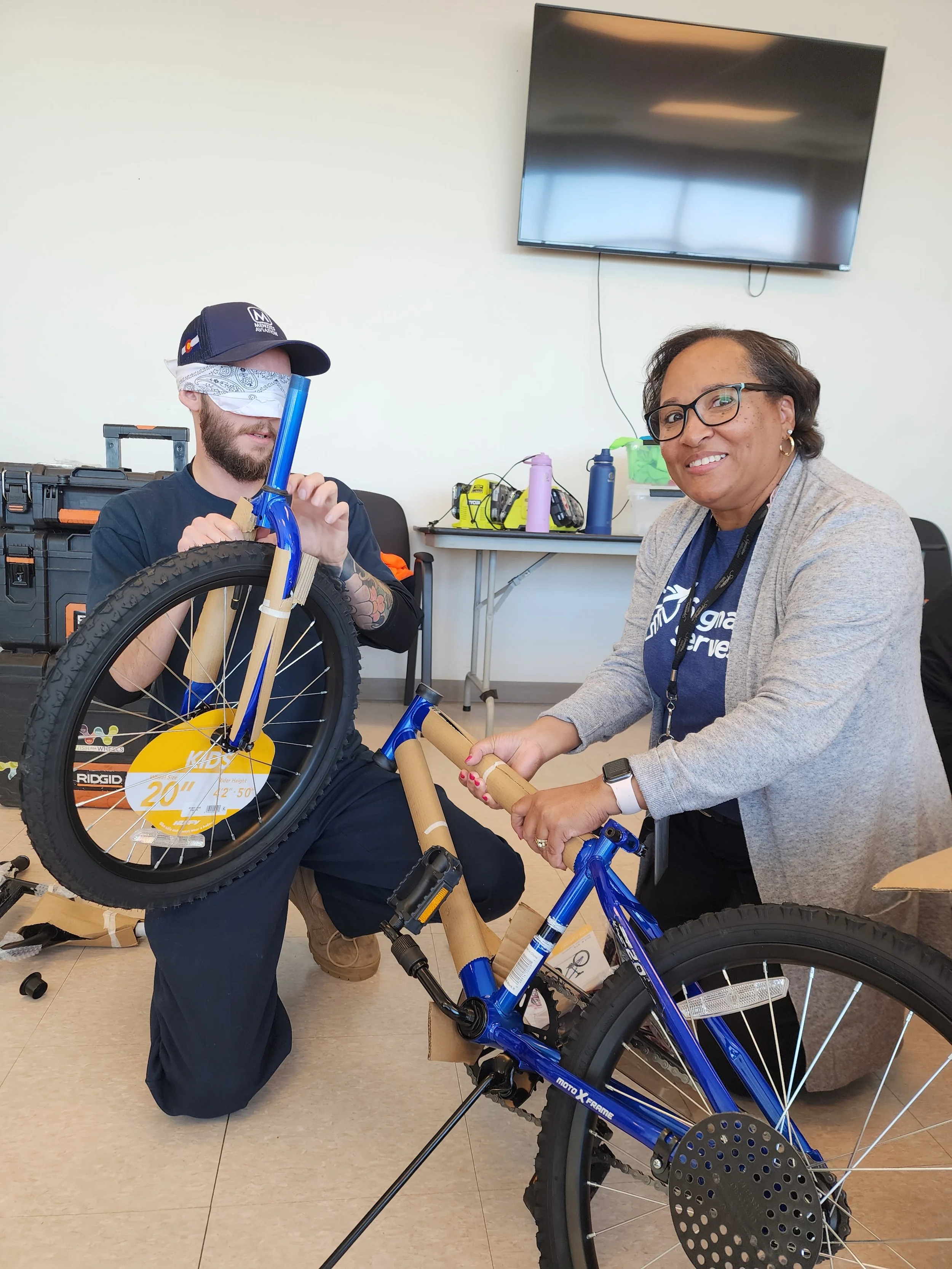
The most successful onboarding programs recognize that relationships are built through shared experiences, not introductions alone.
When employees work together toward a meaningful goal, conversations happen naturally. Instead of feeling pressure to make small talk during an icebreaker or networking session, new hires collaborate with colleagues to solve problems, contribute ideas, and celebrate shared accomplishments.
This type of interaction helps employees feel like part of the team much faster than traditional onboarding activities.
Shared Experiences Build Trust Faster
Trust is one of the foundations of every successful team.
For new employees, developing trust with coworkers can take weeks or even months if interactions are limited to meetings and day-to-day responsibilities. Purpose-driven team-building activities help shorten that timeline by creating opportunities for employees to collaborate in a different environment.
Working together on a meaningful project encourages communication, teamwork, and mutual support. Employees quickly learn each other's strengths, working styles, and personalities while focusing on a shared objective rather than individual responsibilities.
These experiences often make future workplace collaboration feel more natural because employees already have a positive shared experience to build upon.
Cross-Department Relationships Develop Naturally
One of the biggest challenges during onboarding is helping new employees connect beyond their immediate team.
Many organizations unintentionally create silos by limiting onboarding activities to department-specific training. While this helps employees understand their roles, it provides few opportunities to meet colleagues from other areas of the business.
Purpose-driven team-building activities encourage employees from different departments to work together from day one.
A new marketing coordinator might collaborate with someone from Finance, Human Resources, IT, or Operations during the same activity. These connections often continue after the event, making it easier to communicate across departments and creating a stronger sense of organizational unity.
Shared Purpose Reinforces Company Values
Every organization has a mission and a set of core values.
However, new employees are far more likely to remember those values when they experience them in action rather than reading them in an employee handbook.
Purpose-driven team-building activities allow organizations to demonstrate what collaboration, service, integrity, and community involvement actually look like.
Instead of hearing about the company's impact, new hires help create it, which teaches them what the organization stands for faster than any handbook.
New Employees Feel Comfortable Contributing
Confidence grows when employees feel included.
Many new hires hesitate to share ideas during their first few weeks because they are still learning the organization and building relationships with coworkers.
Purpose-driven activities create a more relaxed environment where everyone contributes equally.
Whether assembling a bicycle, solving a challenge, or supporting teammates, employees participate together without the hierarchy that often exists during everyday work. These shared experiences help new hires feel valued from the beginning and encourage them to contribute more confidently once they return to the workplace.
Why Bike Build & Give Events Are Ideal for New Employee Onboarding
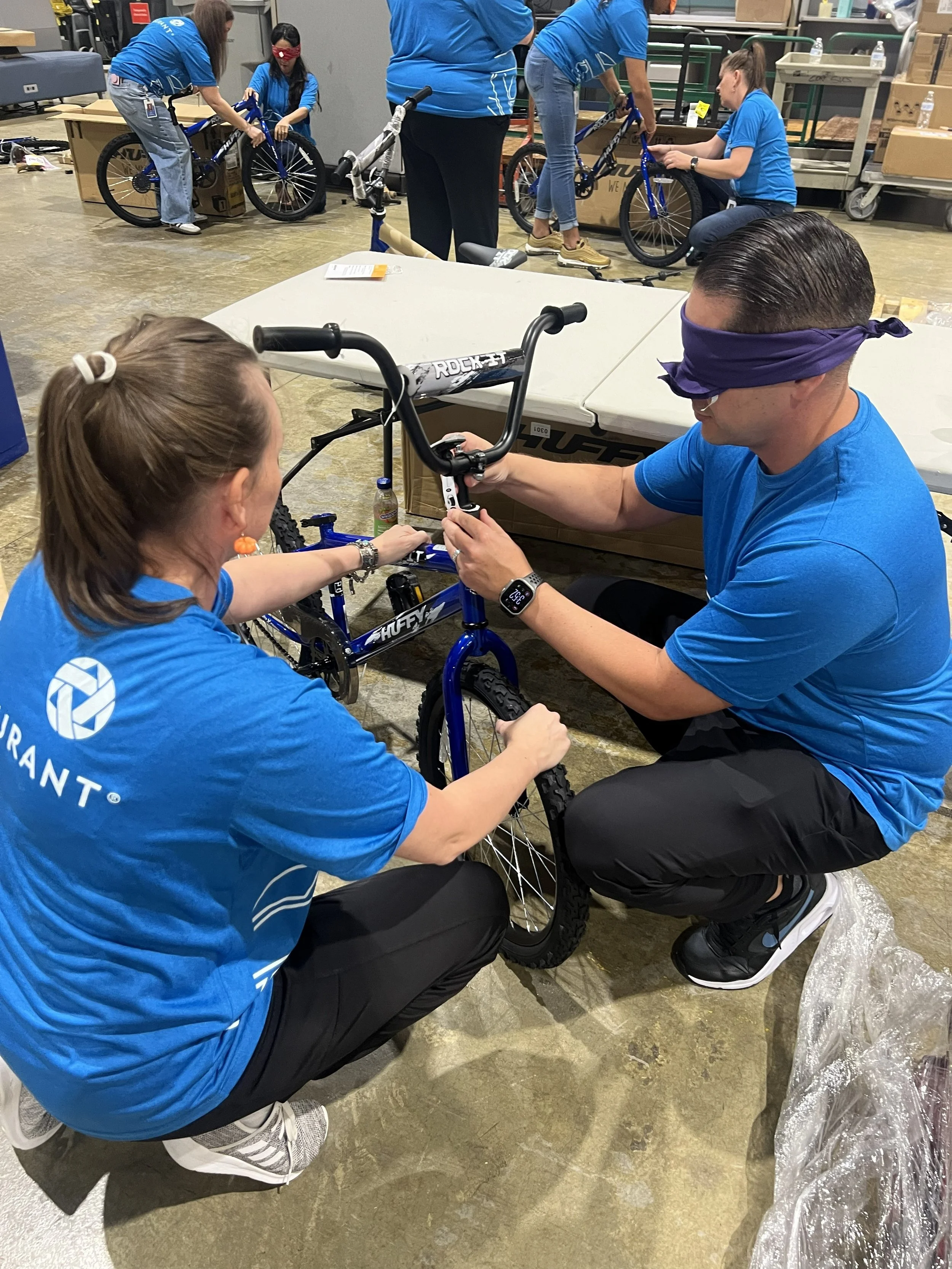
Not every team-building activity is equally effective for welcoming new employees.
Some activities focus primarily on competition, while others rely heavily on existing relationships or individual personalities. Bike Build & Give events offer a different experience by creating an environment where everyone contributes toward a meaningful goal.
Everyone Starts on Equal Ground
One of the advantages of a Bike Build & Give event is that job titles become less important.
Whether someone joined the company yesterday or has been there for ten years, every participant works together to achieve the same objective. This creates an environment where new employees feel included from the very beginning rather than observing from the sidelines.
By working alongside colleagues from different departments and leadership levels, new hires quickly become part of the team.
Unlike many traditional onboarding activities, Build & Give events require no previous bike-building experience. Every participant contributes from the start, allowing new hires to work alongside experienced employees on equal footing.
Conversations Happen Naturally
Many traditional onboarding activities rely on structured introductions or networking exercises.
While these activities can be helpful, conversations sometimes feel forced.
Bike Build & Give events bring employees together in small teams to assemble bicycles for children in the local community. As teammates work side by side, conversations develop naturally, giving new and existing employees an opportunity to connect without relying on structured networking exercises or forced introductions.
New Employees Experience Company Culture Firsthand
Because every team is working toward a finished bicycle that will be donated, new employees see the organization's values demonstrated in real time. The experience makes onboarding more memorable by connecting company culture with visible action rather than presentations alone.
Every Employee Contributes to Something Meaningful
At the end of the event, employees see the completed bicycles before they are donated to Title I second-grade students. Watching the finished bikes leave for their new owners gives new hires a tangible reminder that their very first team experience created a lasting impact in the community. Rather than simply completing another onboarding activity, they begin their journey with an experience that reflects both the organization's values and its commitment to making a difference.
The Business Benefits of Better Employee Integration
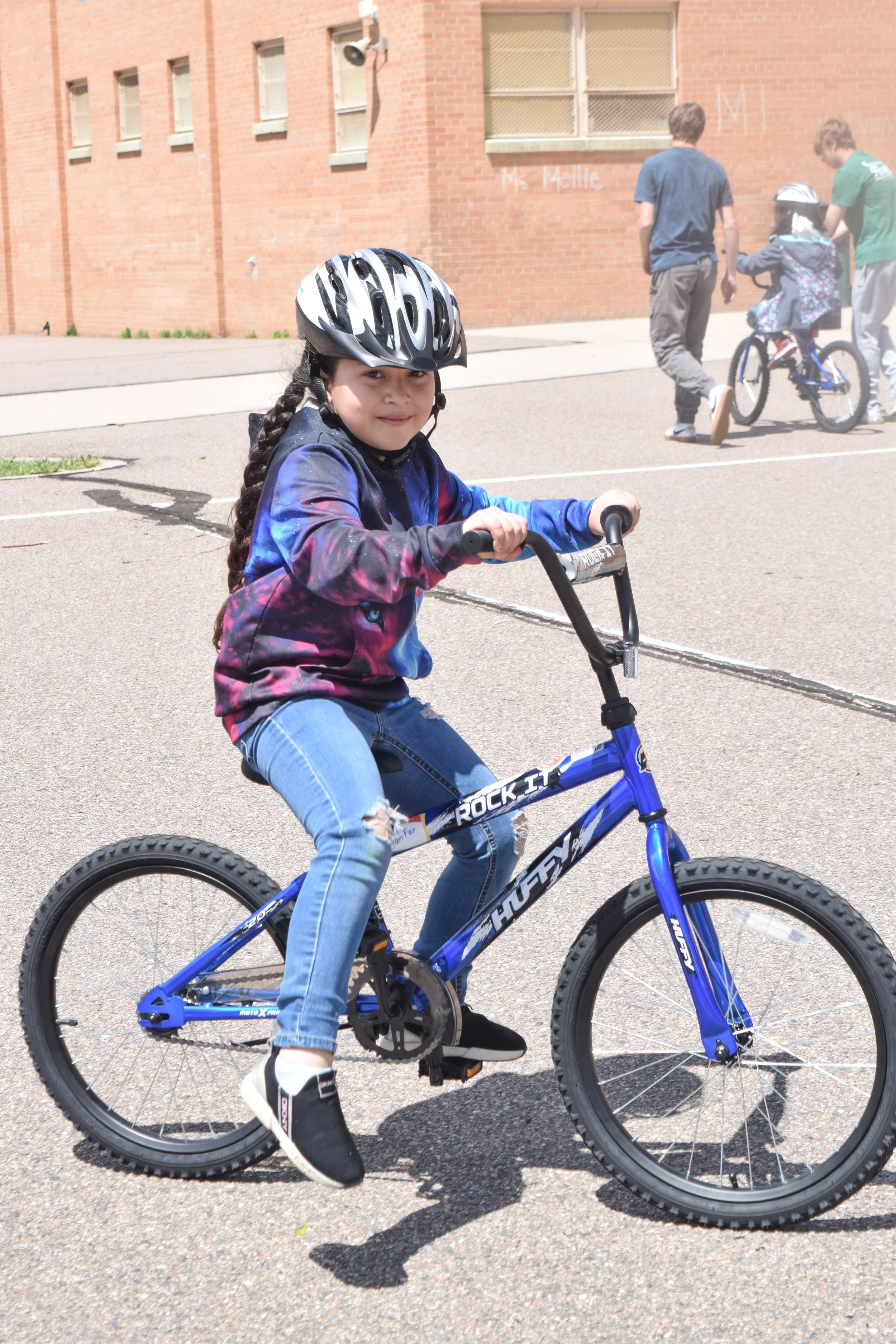
Helping employees integrate successfully is not only beneficial for individuals. It also creates measurable advantages for the organization.
Companies that invest in thoughtful onboarding and purpose-driven team building often see improvements across several important business metrics.
Higher Employee Engagement
Employees who feel connected to their coworkers and company culture are more likely to stay engaged in their work.
When organizations help employees build relationships early, they create stronger emotional connections that contribute to long-term motivation and job satisfaction.
Faster Productivity
Employees who know who to ask for help and feel comfortable collaborating with colleagues typically become productive more quickly.
Strong workplace relationships reduce uncertainty and encourage knowledge sharing, helping new hires contribute sooner.
Improved Employee Retention
Replacing employees is both expensive and time-consuming.
Organizations that create welcoming onboarding experiences often improve retention by helping employees feel connected before they begin questioning whether they belong.
Meaningful team-building experiences strengthen this sense of belonging while reinforcing the organization's commitment to its people.
Stronger Workplace Culture
Culture develops through shared experiences.
When new and existing employees work together toward a common goal, they build relationships that strengthen trust, communication, and collaboration across the organization.
These positive interactions create a stronger workplace culture that benefits employees long after the onboarding process is complete.
Best Practices for Integrating New Employees Through Team Building
Welcoming new employees is about more than introducing them to their manager or assigning mandatory training modules. Organizations that create meaningful onboarding experiences understand that successful integration happens over time through consistent interaction, shared experiences, and opportunities to build relationships.
By combining structured onboarding with purpose-driven team-building activities, companies can help new hires feel confident, connected, and engaged much earlier in their journey.
Introduce Team Building Early
Many organizations wait several months before inviting new employees to participate in company-wide events.
Instead, consider making team building part of the onboarding experience itself.
When employees participate in collaborative activities within their first few weeks, they begin developing relationships outside their immediate team. These early connections often reduce anxiety, encourage open communication, and help new hires feel like valued members of the organization from the start.
Mix Employees Across Departments
One of the biggest advantages of team-building events is the opportunity to introduce employees to colleagues they may not otherwise meet.
Rather than grouping participants by department, create teams that include employees from different business units, experience levels, and leadership positions.
This approach helps new hires build a broader professional network while encouraging collaboration across the organization. It also helps break down departmental silos, making future communication and teamwork more effective.
Organizations with hybrid or remote employees should also include virtual participants wherever possible, helping new hires build relationships regardless of location.
Encourage Leaders to Participate
Leadership involvement sends a powerful message.
When managers and executives actively participate in team-building activities, they become more approachable and create opportunities for informal conversations with new employees.
These interactions help build trust while demonstrating that collaboration and teamwork are valued at every level of the organization.
New hires often remember these early conversations because they help make leadership feel more accessible.
Focus on Shared Purpose Rather Than Competition
Friendly competition can be enjoyable, but purpose-driven activities often create stronger and more meaningful connections.
Instead of focusing on which team wins, employees work together toward a shared objective that benefits others.
This collaborative environment encourages communication, problem-solving, and mutual support while helping new employees feel included regardless of their role or experience.
Organizations can see howbike building and community impact can create stronger engagement than activities centered solely around competition.
Continue Building Connections After Onboarding
Integration should not end after the first month.
Organizations can maintain momentum by creating ongoing opportunities for collaboration through volunteer events, company initiatives, employee resource groups, and cross-functional projects.
These continued interactions reinforce workplace relationships and help employees remain engaged long after formal onboarding has ended.
Best Practices Checklist for Onboarding New Employees
The table below highlights practical ways organizations can strengthen employee integration while supporting long-term engagement.
| Best Practice | Why It Matters |
|---|---|
| Introduce team building during onboarding | Helps employees build relationships early |
| Mix employees from different departments | Encourages cross-functional collaboration |
| Include managers and senior leaders | Builds trust and strengthens communication |
| Focus on purpose-driven experiences | Creates meaningful engagement and belonging |
| Continue team-building opportunities beyond onboarding | Reinforces workplace relationships over time |
| Gather employee feedback regularly | Helps improve future onboarding experiences |
When organizations consistently apply these practices, new employees are more likely to feel confident, supported, and connected to both their colleagues and the company's mission.
Why Organizations Choose Wish for Wheels for Employee Onboarding
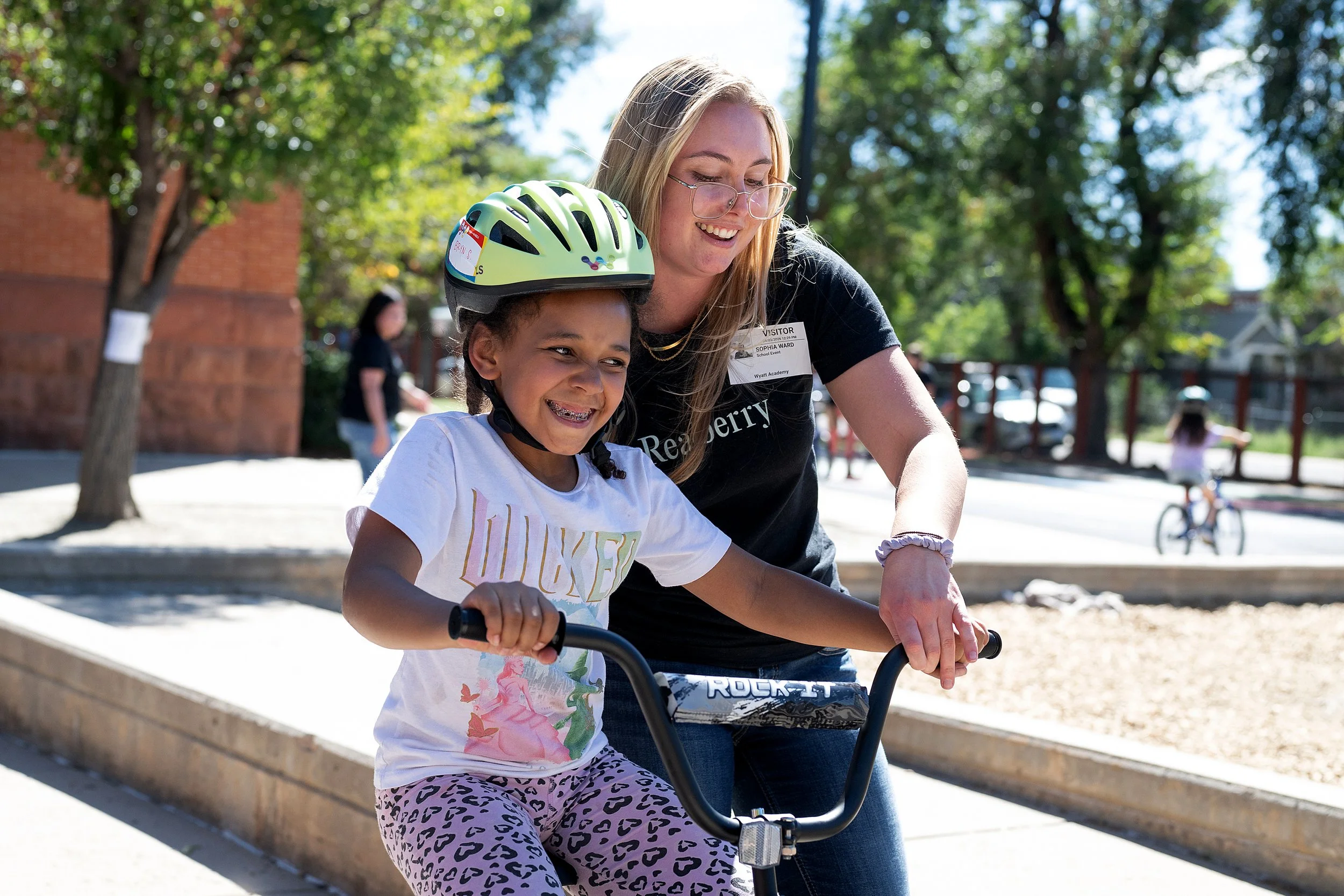
Many companies recognize that onboarding should go beyond orientation sessions and training manuals.
They want new employees to build genuine relationships, understand company values, and experience the culture in action.
That's why organizations across the country partner with Wish for Wheels.
A Meaningful First Impression
The first few weeks shape how employees feel about their new workplace.
Participating in a Bike Build & Give event allows new hires to experience teamwork, collaboration, and community impact from the beginning of their employment.
Rather than simply learning about company values, employees actively participate in living those values.
An Inclusive Experience for Everyone
Bike Build & Give events are designed so every participant can contribute.
No previous bike-building experience is required, and employees work together regardless of their department, job title, or experience level.
This creates an inclusive environment where new hires quickly become part of the team.
Strengthening Relationships Across the Organization
Because Build & Give events bring together employees from different departments, they naturally encourage conversations and collaboration that extend beyond daily responsibilities.
Many participants leave with new professional relationships that continue long after the event, making future teamwork easier and more effective.
Supporting Employee Engagement and Community Impact
Every bicycle assembled during a Wish for Wheels event is donated to a Title I second-grade student.
Employees know their teamwork directly benefits children and families, creating a stronger emotional connection to both the event and the organization.
Companies interested in combining employee engagement with meaningful community impact can explore how corporate teams can make a difference by building bikes for kids while strengthening both workplace culture and local communities.
A Turnkey Experience for HR and People Teams
Planning an onboarding event for new employees requires coordination, logistics, and time.
Wish for Wheels works closely with organizations to deliver professionally managed build & give experiences, allowing HR and people teams to focus on welcoming employees rather than managing every event detail.
Whether onboarding a small group of new hires or integrating employees across multiple departments, Wish for Wheels helps create memorable experiences that support both business objectives and community impact.
Conclusion
Successfully onboarding new employees is about much more than completing paperwork, attending orientation sessions, or learning company policies. While these steps are essential, they represent only one part of the onboarding journey. Long-term success depends on helping employees build meaningful relationships, understand company culture, and feel like valued members of the team from the very beginning.
Purpose-driven team-building experiences help bridge the gap between traditional onboarding and genuine employee integration. By working together toward a shared goal, new hires develop trust, build relationships across departments, and experience company values in action rather than simply hearing about them. These experiences create a stronger sense of belonging that benefits both employees and the organization.
For employers, the advantages extend far beyond the onboarding period. Better integration can support stronger employee engagement, improved collaboration, faster productivity, and higher retention. Employees who feel welcomed and connected are more likely to contribute confidently, support their colleagues, and remain committed to the organization's long-term success.
One of the most meaningful aspects of a Build & Give event is that every participant leaves knowing their teamwork helped create opportunities for a child. Building bicycles for Title I second-grade students reminds employees that collaboration can make a real difference, both inside and outside the workplace.
Organizations looking to create exceptional onboarding experiences should think beyond checklists and orientation schedules. By combining structured onboarding with purpose-driven team building, companies can help new employees feel connected from day one while strengthening workplace culture for years to come.
Frequently Asked Questions
Why is team building important for new employees?
Team building helps new employees develop relationships, build confidence, and feel like part of the organization more quickly. Strong workplace connections often improve collaboration, engagement, and overall job satisfaction during the critical first few months.When should new employees participate in team-building activities?
Many organizations see the greatest benefits when team-building activities are introduced within the first few weeks of employment. Early participation helps new hires build relationships outside their immediate team and feel connected to the company culture from the beginning.What types of team-building activities work best for onboarding?
The most effective onboarding activities encourage collaboration rather than competition. Purpose-driven experiences, such as Bike Build & Give events, allow employees to work together toward a meaningful goal while creating natural opportunities to build relationships.Can Bike Build & Give events be part of an onboarding program?
Yes. Many organizations include Bike Build & Give experiences as part of their onboarding or new-hire programs. These events help employees connect with colleagues, understand company values, and contribute to the community while strengthening teamwork.Do new employees need bike-building experience?
No. Bike Build & Give events are designed for participants of all experience levels. Wish for Wheels provides everything needed for the event, allowing employees to focus on teamwork, communication, and collaboration.How does team building improve employee retention?
Employees who build strong workplace relationships early in their employment are more likely to feel engaged and supported. A positive onboarding experience helps create a sense of belonging, which can contribute to improved retention over time.Can team-building activities help remote or hybrid employees?
Yes. Many organizations combine in-person and hybrid engagement strategies to help employees build stronger relationships regardless of where they work. Including remote employees in collaborative experiences helps strengthen communication and reinforce company culture.How can organizations measure successful employee integration?
Organizations can evaluate onboarding success through employee feedback, engagement surveys, retention rates, manager observations, and collaboration across departments. Tracking these metrics over time provides valuable insight into the effectiveness of onboarding programs.How does community service improve the onboarding experience?
Community service gives employees a shared purpose that encourages teamwork and authentic conversations. Instead of focusing only on workplace responsibilities, employees collaborate to create a positive impact, helping them build stronger relationships while reinforcing company values.How can my company organize a Wish for Wheels Bike Build & Give event?
Wish for Wheels partners with organizations to create customized Bike Build & Give experiences that align with onboarding goals, employee engagement initiatives, and corporate social responsibility programs. The team handles event planning and logistics, making it easy for organizations to deliver a meaningful experience for both employees and the community.
Help New Employees Feel Like Part of the Team From Day One
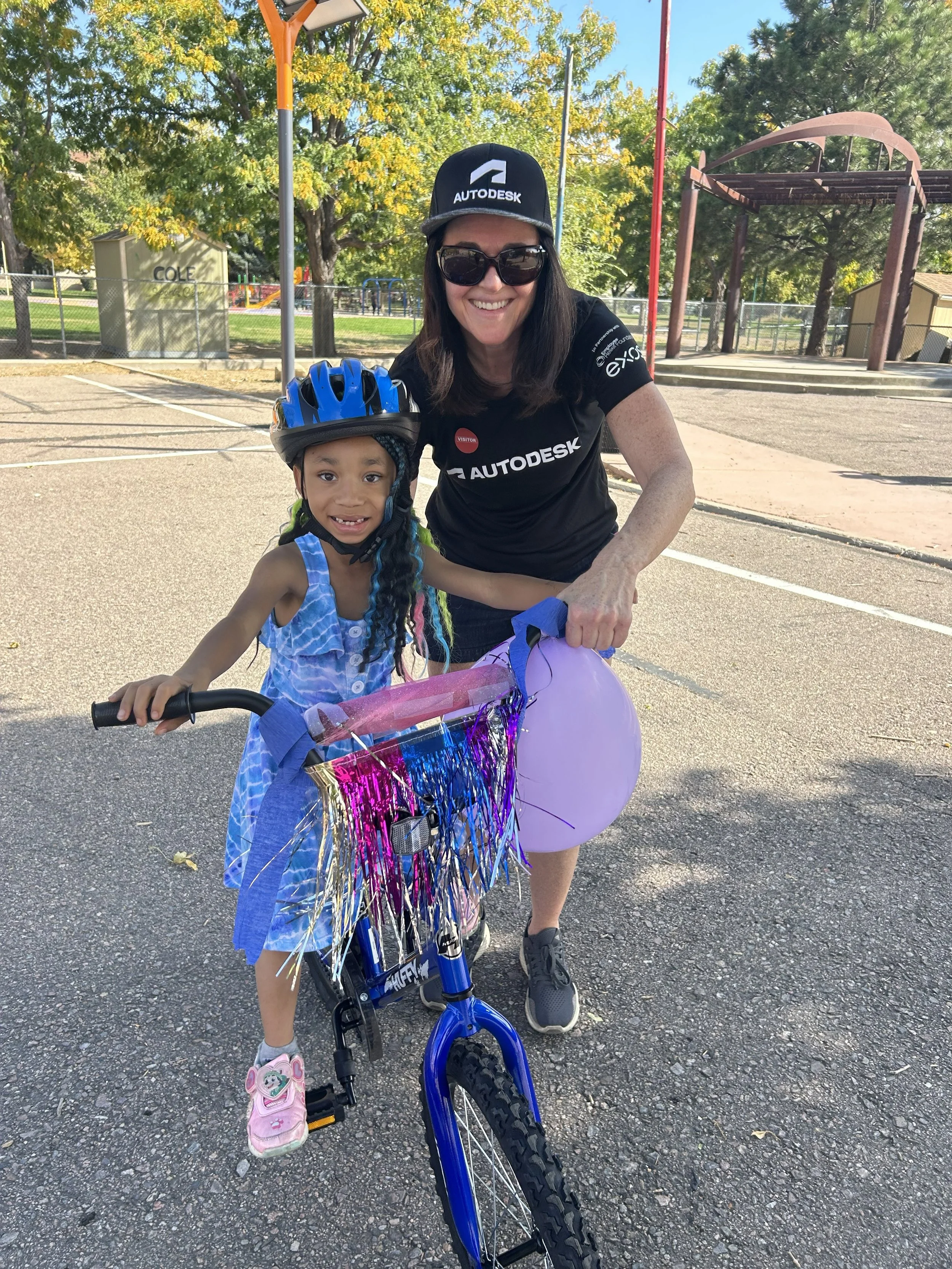
Welcoming new employees is about more than orientation sessions, policy manuals, and training checklists. It is about creating opportunities for people to build relationships, understand your company culture, and feel connected to something meaningful from the very beginning.
Wish for Wheels helps organizations create Build & Give experiences that bring new and existing employees together while making a positive impact in local communities. By building bicycles and helmets for Title I second-grade students, employees strengthen workplace relationships, develop a sense of shared purpose, and begin their journey with an experience they will remember long after their first day.
Whether you're onboarding a small group of new hires or welcoming employees across multiple departments, Wish for Wheels can help you create an engaging experience that supports employee integration, strengthens company culture, and demonstrates your commitment to both your people and your community.
Ready to transform your onboarding experience? Contact Wish for Wheels today to learn how a Build & Give event can help new employees feel connected, engaged, and inspired from day one.
Wish for Wheels believes the most impactful team-building experiences benefit both employees and communities. Every bike built helps create new opportunities for a child while bringing teams together around a shared purpose.
Wish for Wheels is a 501(c)(3) organization. EIN: 59-3803048.
