
Corporate Retreat Ideas That Actually Move the Needle
Corporate retreats can be much more than a change of scenery.
When planned well, a retreat can help employees build stronger relationships, improve communication, reconnect with company values, and create momentum around shared goals. But simply taking employees away from the office does not guarantee any of those outcomes.
The difference comes down to how the retreat is designed.
A schedule filled with presentations, expensive dinners, and recreational activities may give employees a break from their normal routine, but it may not create the lasting impact leadership expects. The most effective corporate retreat ideas combine meaningful interaction with a clear purpose.
That purpose could be improving collaboration between departments, strengthening company culture, recognizing employees, supporting leadership development, or creating a shared connection through community involvement.
For organizations planning a corporate retreat, the goal should not simply be to create a memorable day. It should be to create an experience that continues to influence how employees connect and work together after they return.
This guide explores corporate retreat ideas that can help organizations move beyond traditional outings and create experiences that support employee engagement, company culture, teamwork, and meaningful community impact.
These experiences are often described as team retreat ideas or company retreat ideas, depending on the organization's goals, team size, and retreat format.
What Makes a Corporate Retreat Successful?
Before choosing an activity or destination, determine what you want the retreat to accomplish.
A corporate retreat should have a purpose that goes beyond giving employees time away from their desks. The experience should support a specific organizational or employee goal.
Depending on your organization, that goal could include the following:
Strengthening relationships between employees
Improving cross-department collaboration
Building trust
Supporting employee engagement
Reinforcing company values
Welcoming new employees
Developing leadership skills
Recognizing employee contributions
Supporting corporate social responsibility
Creating a stronger sense of shared purpose
Once you have identified the goal, it becomes much easier to choose the right retreat format.
For example, a company experiencing communication challenges may benefit from a collaborative retreat rather than a passive entertainment experience. An organization focused on CSR may want to incorporate a community service project. A rapidly growing company may benefit from activities that bring employees from different departments together.
The activity should serve the objective.
1. Purpose-Driven Team Building
One of the strongest corporate retreat ideas is to incorporate an activity that gives employees a shared purpose.
Purpose-driven team building allows employees to work together toward an outcome that matters. Instead of simply competing against one another or participating in an entertainment activity, employees collaborate around a common objective.
This can create a stronger sense of accomplishment because participants can see what they achieved together.
Purpose-driven retreats can take many forms, including community service projects, collaborative challenges, and hands-on activities that give employees a shared goal. The key is choosing an experience where employees actively contribute rather than simply participate as spectators.
Employees have to communicate, work together, and contribute to the same goal. At the end of the experience, they can see the tangible result of their work and understand how their efforts contributed to the shared objective.
This makes the retreat about more than employee entertainment, creating an opportunity to strengthen workplace relationships while supporting a positive community impact.
For teams considering this approach, how bicycle-building can combine team building with social impact.
2. Cross-Department Collaboration Challenges
Corporate retreats are an excellent opportunity to bring employees together who do not normally work closely.
In many organizations, employees naturally develop relationships within their own departments. Marketing employees know other marketing employees. Finance works closely with finance. Human Resources may interact regularly with leadership and employees but have limited day-to-day interaction with other teams.
A retreat can break down those boundaries.
This can be especially valuable for remote teams, where employees may have fewer opportunities for face-to-face interaction. Organizations planning an annual retreat can also consider ways to bring remote team members together more effectively.
Create mixed groups that include employees from different departments and give each group a shared challenge. The challenge could involve problem-solving, building something, developing a creative solution, or completing a community project.
The objective is not necessarily to determine which department is best.
Instead, employees should discover how different skills and perspectives can contribute to a common goal.
These experiences can make future collaboration easier because employees return to work with relationships that didn't exist before the retreat.
3. Community Volunteer Retreat
A corporate retreat can also become an opportunity for employees to give back.
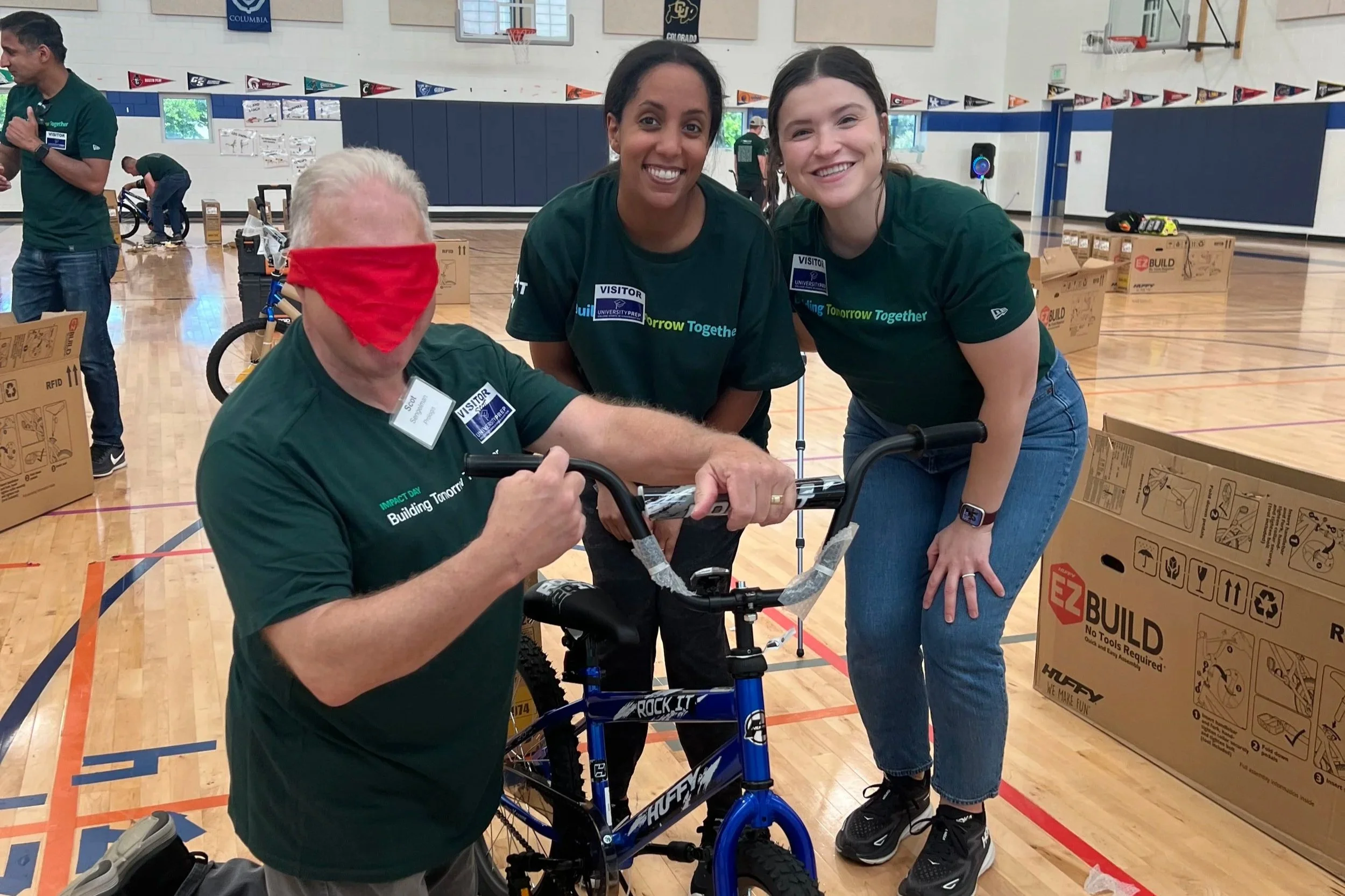
For organizations considering this type of retreat, community engagement can also play an important role in creating a more meaningful company offsite.
Community service activities allow employees to work together while supporting a local organization or cause. The activity could involve helping a school, supporting a nonprofit, organizing resources, participating in an environmental project, or assisting a community initiative.
The important element is shared participation.
Employees should be actively involved rather than simply donating money or watching others perform the work.
Volunteer experiences can also give employees an opportunity to see their coworkers in a different environment. Someone who is quiet during meetings may take a leadership role during a community project. Another employee may discover that a colleague has skills they never knew about.
These moments can strengthen relationships naturally.
Community service can also strengthen employee engagement, as explained in how community service can strengthen employee engagement.
4. Employee Appreciation Retreat
A retreat can be an effective way to recognize employees for their contributions.
However, appreciation should feel authentic rather than becoming a simple award ceremony followed by dinner.
Give employees time to celebrate accomplishments, recognize individual and team contributions, and connect with leadership. You can also combine recognition with a shared experience that allows employees to spend meaningful time together.
For example, an organization could begin the retreat with employee recognition before transitioning into a collaborative activity.
This creates a balance between appreciation and participation.
Employees should leave feeling that their work is recognized and that they are an important part of the organization's larger success.
5. Outdoor Adventure Retreats
Outdoor activities can provide employees with a change of environment and opportunities to work together outside the normal workplace.
Depending on your team, options could include hiking, guided nature experiences, group challenges, camping, or other outdoor activities.
Outdoor retreats can be particularly effective for teams that spend most of their working hours indoors or behind screens.
However, accessibility should always be considered.
Not every employee will have the same physical abilities, interests, or comfort levels. If an outdoor activity is too physically demanding, some employees may feel excluded rather than engaged.
The best corporate retreat ideas create meaningful participation for everyone.
6. Skills-Based Retreat Experiences
A retreat does not have to separate employee development from team building.
Skills-based experiences can combine professional learning with collaboration.
Employees might participate in workshops related to communication, leadership, creativity, problem-solving, or other skills relevant to the organization.
The key is to avoid turning the entire retreat into another conference.
Give employees opportunities to apply what they learn through discussions, group exercises, and practical challenges.
For example, a leadership workshop could be followed by a collaborative problem-solving activity. Employees can practice communication and decision-making while building stronger relationships with their colleagues.
This creates a more interactive experience than a series of presentations.
7. Leadership and Employee Connection Retreat
Employees don't always have many opportunities to interact informally with senior leaders.
A corporate retreat can change that.
When leadership participates in activities alongside employees, organizational hierarchy can become less prominent. Employees have opportunities to speak with leaders in a more relaxed environment, while leaders can gain insight into employee experiences.
This can strengthen trust and make leadership feel more approachable.
The important point is that leaders should participate.
A retreat where executives spend most of the time separately from employees may reinforce organizational divisions. A shared experience creates more opportunities for authentic interaction.
8. Creative Team-Building Workshops
Creative activities can be another effective option for corporate retreats.
Groups can participate in activities such as collaborative art projects, creative challenges, storytelling exercises, design projects, or other hands-on experiences.
The value isn't necessarily the final product.
The process gives employees opportunities to communicate, exchange ideas, and work through differences. Creative challenges can also reveal different strengths among team members.
Someone who isn't normally the most vocal person in a meeting may have an idea that becomes central to the group project.
These experiences can help employees appreciate different working styles.
9. CSR-Focused Corporate Retreat
Companies with an existing corporate social responsibility strategy can use a retreat as an opportunity to bring those priorities into a shared employee experience.
Instead of treating CSR as a separate initiative, organizations can build a retreat activity around a cause, community partnership, or social impact objective that already aligns with their broader strategy.
This approach can help employees better understand how the company's CSR commitments translate into action. It can also create an opportunity for employees to participate directly rather than simply hearing about the organization's charitable efforts.
A CSR-focused retreat might involve:
Supporting an existing nonprofit partnership
Community volunteering connected to company priorities
Environmental initiatives
Skills-based service
Charity projects aligned with organizational values
Purpose-driven team building
The activity should have a clear connection to the company's broader social impact goals. When employees can see how their participation contributes to an initiative the organization already supports, the retreat becomes part of the company's CSR strategy rather than a standalone volunteer event.
For companies interested in connecting CSR with employee engagement, this guide to the connection between the two provides additional insight.
10. Bike Build & Give as a Corporate Retreat Activity
For organizations searching for corporate retreat ideas that combine teamwork and purpose, a Bike Build & Give experience can provide a distinctive option.
For a closer look at this approach, see how a team build & give experience can transform a corporate retreat.
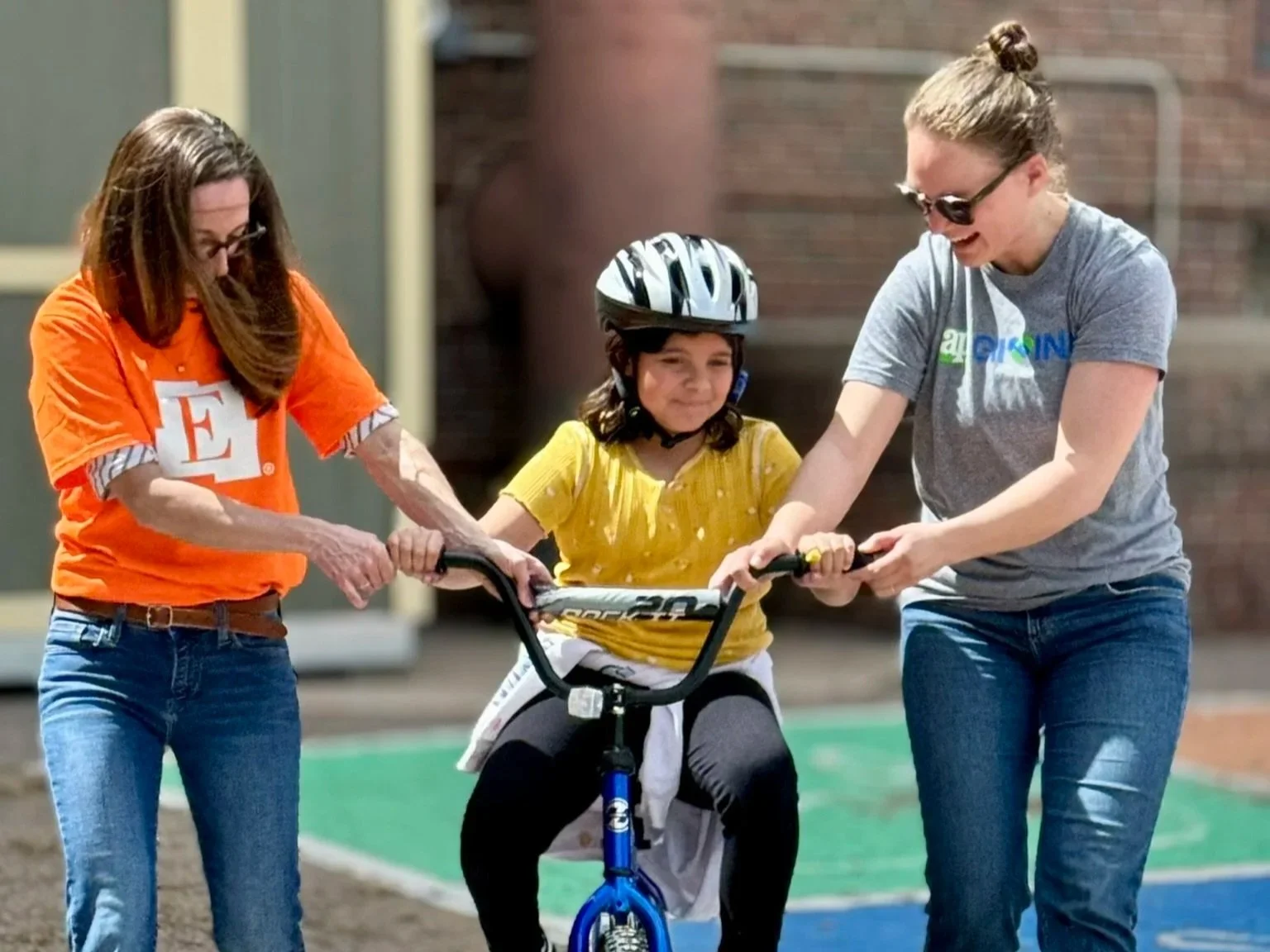
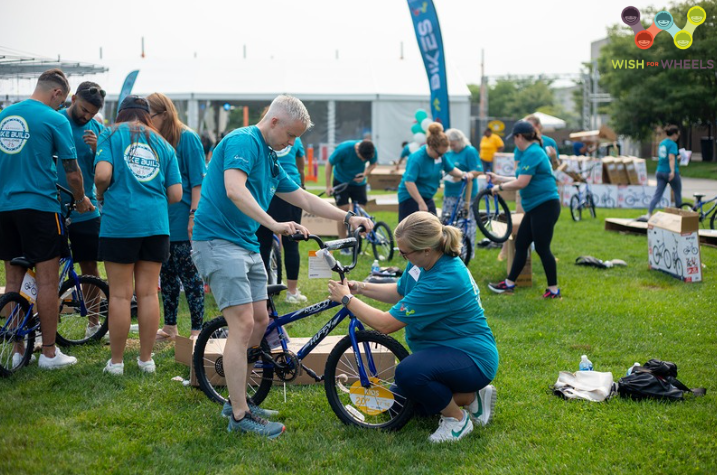
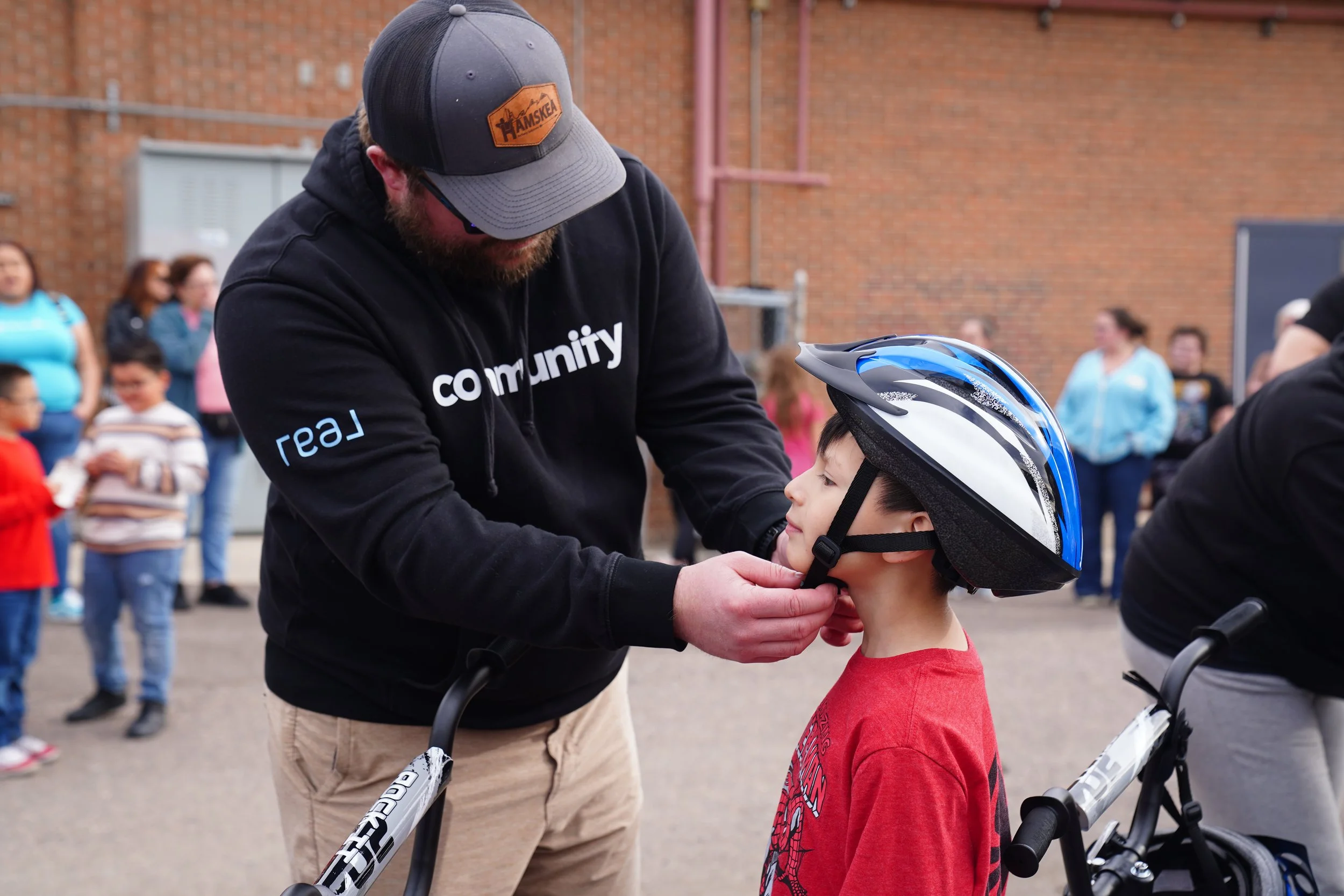
Wish for Wheels brings corporate teams together to assemble bicycles for Title I second-grade students, with each completed bicycle provided along with a new helmet and lock.
The activity is hands-on, collaborative, and purpose-driven.
Employees aren't simply sitting together or watching a presentation. They have to participate, communicate, and work toward a shared result.
The finished bicycles provide a tangible reminder of what the group accomplished.
For employees, the experience can create a different type of workplace memory. Instead of remembering only where the retreat took place, they can remember what they built, who they worked alongside, and the children who would benefit from their efforts.
That shared purpose can make the experience particularly valuable for organizations focused on culture and employee engagement.
How to Choose the Right Corporate Retreat Idea
With so many options available, choosing the right activity can feel overwhelming.
Start by asking a few basic questions.
What Is the Main Goal?
Determine whether the retreat is primarily about:
Team building
Employee engagement
Leadership development
Recognition
Company culture
CSR
Strategic planning
Cross-department collaboration
You can have multiple goals, but identifying the most important one will make the planning process easier.
Who Is Attending?
Consider team size, departments, job roles, employee interests, and accessibility needs.
An activity that works for a leadership group of 15 may not work for an organization with 300 employees.
Will Everyone Participate?
Avoid activities where a small number of employees do most of the work while everyone else watches.
Active participation creates more opportunities for connection.
Does the Experience Reflect Your Values?
Your retreat should feel consistent with your organization's culture.
If your company emphasizes community involvement, collaboration, or social responsibility, choose an experience that demonstrates those values.
What Will Employees Remember?
Think beyond the immediate experience.
Ask whether employees will remember the activity because it created a meaningful accomplishment or simply because it was entertaining.
Corporate Retreat Ideas by Goal
The following framework can help organizations compare different options.
| Corporate Goal | Retreat Idea | Potential Benefit |
|---|---|---|
| Improve teamwork | Collaborative team challenge | Encourages communication |
| Build cross-department relationships | Mixed-team activity | Creates new connections |
| Strengthen CSR | Community service project | Combines teamwork with social impact |
| Improve employee engagement | Purpose-driven experience | Creates shared accomplishment |
| Recognize employees | Appreciation retreat | Reinforces employee value |
| Develop leaders | Leadership workshop and challenge | Builds decision-making skills |
| Encourage creativity | Creative team workshop | Promotes new ideas |
| Strengthen company culture | Values-based group experience | Reinforces organizational identity |
The best option may combine several goals. For example, a Bike Build & Give event can support teamwork, employee engagement, cross-department interaction, and CSR within the same experience. If you're considering a purpose-driven retreat, explore how a Bike Build & Give can fit your team's goals and event format.
Don't Overload the Retreat Schedule
One of the most common mistakes in corporate retreat planning is trying to fit too much into a single day.
A retreat should feel different from a normal workday.
If employees spend every hour moving between meetings, presentations, workshops, and activities, they may leave feeling more tired than connected.
Build periods of flexibility into the schedule.
Give employees opportunities to have informal conversations, take breaks, and process what they are experiencing.
The goal isn't to maximize the number of activities.
It's to maximize the value of the experience.
A smaller number of well-designed activities can often have a greater impact than a packed schedule.
Organizations that use team-building activities throughout the year may also want to consider their team-building frequency to maintain engagement without overwhelming employees.
Make the Retreat Inclusive
An effective retreat should allow employees with different personalities, abilities, and preferences to participate.
Avoid assuming that every employee enjoys competitive games, physical activities, public speaking, or large social gatherings.
When selecting an activity, ask:
Can employees with different physical abilities participate?
Is there an alternative for employees who cannot participate in a particular activity?
Are employees given different ways to contribute?
Does the activity encourage collaboration rather than putting individuals on the spot?
Is the environment comfortable and accessible?
Inclusion should be considered during planning rather than treated as an afterthought.
Connect the Retreat to Company Culture
A corporate retreat can reinforce culture when employees see a clear connection between the experience and the organization's values.
If teamwork is a core value, design activities that require teamwork.
If community impact is important, incorporate service.
If innovation matters, give employees opportunities to solve problems creatively.
The connection should also be explained.
Before the retreat, tell employees why the organization chose the experience and what it hopes to accomplish. Afterward, discuss what the team achieved and how it connects to broader company goals.
This turns the retreat into part of the culture rather than an isolated event.
How to Make a Corporate Retreat More Memorable
Memorable experiences usually have something employees can talk about afterward.
That could be a difficult challenge the team overcame, an unexpected discovery, a meaningful conversation, or a tangible accomplishment.
This is one reason bicycle-building experiences can be a strong fit for organizations looking for team-building activities with a purpose.
For another perspective on this approach, see how corporate bike-building supports community involvement.
What to Do After the Retreat
The retreat should not be treated as the end of the initiative.
Follow-up can help extend the experience and reinforce the relationships employees developed.
Share photos, employee stories, accomplishments, and community impact. Thank employees for participating and ask what they found most valuable.
If the retreat included a CSR activity, communicate the results.
For example, if employees participated in a Bike Build & Give experience, sharing the impact of the completed bicycles helps employees understand that their work continued beyond the event.
You can also use employee feedback to improve future retreats.
Ask simple questions:
What did you enjoy most?
What helped you connect with coworkers?
What would you change?
Did the experience reflect our company values?
Would you participate in a similar experience again?
The answers can help make future corporate events more effective.
Common Corporate Retreat Mistakes to Avoid
Even a well-intentioned retreat can miss the mark if planning focuses on logistics instead of outcomes.
Choosing an Activity Before Defining the Goal
Don't start with the activity.
Start with the reason for the retreat.
Making the Retreat Too Work-Focused
A retreat should provide opportunities to step away from normal workplace routines. If every session feels like another meeting, employees may not experience the connection you're trying to create.
Choosing an Activity That Excludes Employees
Consider different physical abilities, personalities, and interests before selecting an activity.
Prioritizing Entertainment Over Purpose
Fun is valuable, but it should not be the only measure of success.
Forgetting the Follow-Up
The conversations and relationships created during a retreat need reinforcement after employees return to work.
Why Purpose Can Make a Corporate Retreat More Valuable
Corporate retreats require an investment of time and resources. That makes it important to choose an experience that delivers value beyond temporary entertainment. Purpose-driven activities can provide an additional layer of value by giving employees a meaningful reason to collaborate. This can make the experience more memorable while supporting company culture and employee engagement.
For organizations looking to combine these objectives, a Bike Build & Give experience offers one example of how teams can work toward a shared goal while creating a tangible community outcome.
Frequently Asked Questions
What are the best corporate retreat ideas?
The best corporate retreat ideas depend on your organization's goals. Purpose-driven team building, community service, cross-department challenges, leadership workshops, employee appreciation experiences, and creative activities can all be effective when they are aligned with what you want employees to accomplish.What should a corporate retreat accomplish?
A corporate retreat can strengthen employee relationships, improve collaboration, reinforce company culture, support leadership development, recognize employees, or connect teams with a shared purpose. The most successful retreats define these objectives before selecting activities.How long should a corporate retreat be?
The ideal length depends on the goals, team size, location, and activities. A retreat can range from a few hours to several days, but longer does not necessarily mean better. The focus should be on creating meaningful experiences rather than filling time.How do you make a corporate retreat more engaging?
Give employees opportunities to actively participate rather than simply listen or watch. Collaborative challenges, hands-on projects, community service, and purpose-driven activities can create more natural interaction.What are good team retreat ideas for large groups?
Large groups can participate in activities that are divided into smaller teams while maintaining a shared objective. Community service projects, collaborative challenges, and Bike Build & Give experiences can be structured to encourage participation across larger organizations.Should corporate retreats include team-building activities?
Team building can be a valuable part of a corporate retreat, particularly when employees need stronger relationships or better cross-department collaboration. The activity should support the broader purpose of the retreat rather than being added simply to fill the schedule.How can CSR be incorporated into a corporate retreat?
Companies can include community service, nonprofit partnerships, donation projects, environmental initiatives, or purpose-driven team-building activities. The most effective CSR experiences give employees an active role in creating the community impact.What is a Bike Build & Give corporate retreat experience?
A Bike Build & Give experience brings corporate employees together to assemble bicycles for Title I second-grade students. Each completed bicycle is provided along with a new helmet and lock. It combines hands-on teamwork with a tangible community outcome.Do employees need bicycle-building experience to participate?
No. Previous bicycle-building experience is not required. Participants work together during the activity, making communication and collaboration more important than individual experience.How can my company organize a corporate retreat with Wish for Wheels?
Wish for Wheels works with organizations to create Bike Build & Give experiences for corporate teams. Companies can connect with Wish for Wheels to discuss their team size, retreat goals, scheduling requirements, and desired community impact.
Create a Corporate Retreat That Actually Moves the Needle
A successful corporate retreat isn't defined by how expensive the venue is or how many activities appear on the schedule.
It's defined by what employees take away from the experience.
The right retreat can create stronger relationships, improve collaboration, reinforce company values, and give employees a reason to feel more connected to their organization. When the experience also has a meaningful purpose, employees can leave with a shared accomplishment that extends beyond the workplace.
That's what makes purpose-driven team building so valuable.
Wish for Wheels helps companies create these experiences through Bike Build & Give events, where employees work together to assemble bicycles for Title I second-grade students, with each completed bicycle provided along with a new helmet and lock. The experience gives teams an opportunity to collaborate while creating a tangible outcome that benefits children and communities.
For companies searching for corporate retreat ideas that go beyond entertainment, a purpose-driven experience can provide the teamwork, engagement, and community impact needed to create lasting value.
Ready to plan a corporate retreat that brings your team together around a meaningful purpose? Explore Wish for Wheels' Bike Build & Give team-building experience to see how it can support your employee engagement, team-building, and CSR goals.
Wish for Wheels believes the most impactful team-building experiences benefit both employees and communities. Every bike built helps create new opportunities for a child while bringing teams together around a shared purpose.
Wish for Wheels is a 501(c)(3) organization. EIN: 59-3803048.
