
From Disengaged to Motivated: How Team Building Experiences Reduce the Hidden Costs of Low Engagement
Introduction
Employee engagement has become one of the most important business challenges facing organizations today. While many companies focus on visible issues like turnover and hiring costs, the biggest impact of disengagement often happens beneath the surface.
When employees feel disconnected from their work, their colleagues, or the organization's mission, productivity suffers. Collaboration becomes more difficult. Innovation slows down. Team morale declines. These hidden costs can quietly affect nearly every aspect of a business.
According to Gallup's 2024 State of the Global Workplace Report, employee engagement remains a significant challenge for organizations worldwide. Companies that fail to address disengagement often experience lower performance, weaker workplace culture, and increased difficulty retaining top talent.
Gallup estimates that low employee engagement costs the global economy an estimated $8.9 trillion in lost productivity annually, representing roughly 9% of global GDP. These findings highlight how disengagement affects not only individual organizations but also broader economic performance.
The good news is that engagement is not an unsolvable problem. Organizations that create meaningful opportunities for employees to connect, collaborate, and contribute to a larger purpose often see measurable improvements in motivation and workplace satisfaction.
One of the most effective ways to accomplish this is through team-building experiences that go beyond traditional workplace activities. When employees work together toward a meaningful goal, they develop stronger relationships, greater trust, and a deeper connection to their organization.
In this guide, we'll explore the hidden costs of low employee engagement, why many traditional engagement strategies fall short, and how purpose-driven team-building experiences can help transform disengaged employees into motivated, connected team members.
What Employee Disengagement Really Costs Organizations
Most leaders understand that employee disengagement is not ideal. However, many underestimate just how expensive disengagement can become over time.
The most obvious cost is productivity. When employees feel disconnected from their work, they are less likely to bring energy, creativity, and focus to their daily responsibilities. Tasks take longer to complete, collaboration becomes less effective, and opportunities for improvement are often overlooked.
According to Gallup, highly engaged teams experience 18% higher productivity and 23% higher profitability compared to less engaged teams. These findings highlight how employee engagement can directly influence business performance, operational efficiency, and long-term organizational success.
Disengagement can also affect employee retention. Employees who feel disconnected from their organization are more likely to seek opportunities elsewhere. According to SHRM, replacing an employee can cost approximately six to nine months of that employee's salary when recruiting, onboarding, training, and lost productivity are taken into account. Beyond the financial impact, turnover can also disrupt team dynamics, reduce institutional knowledge, and place additional pressure on remaining employees.
Customer experience may also suffer when engagement levels decline. Employees who feel connected to their work are often more proactive, responsive, and invested in delivering positive customer interactions. When disengagement increases, service quality and customer satisfaction can be affected, which may ultimately influence customer loyalty and business performance.
Perhaps most importantly, disengagement affects workplace culture. Culture is shaped by daily interactions, attitudes, and behaviors. When employees feel disconnected, negative attitudes can spread throughout teams, creating an environment that becomes increasingly difficult to reverse.
Hidden Costs Most Leaders Never Measure
While productivity and turnover receive significant attention, many of the most damaging effects of disengagement are less visible.
Lost Innovation
Innovation rarely happens in isolation. The best ideas often emerge when employees feel comfortable sharing perspectives, collaborating with colleagues, and contributing beyond their immediate responsibilities. Disengaged employees may hesitate to offer suggestions or participate in discussions, causing organizations to miss valuable opportunities for improvement, innovation, and growth.
A workplace filled with talented people who are not fully engaged may never realize its full potential.
Communication Breakdowns
Strong communication is essential to organizational success. When employees feel disconnected, communication often becomes transactional rather than collaborative. Team members may share less information, avoid difficult conversations, or become less invested in solving problems together. These communication gaps can lead to misunderstandings, inefficiencies, and missed opportunities.
Burnout and Workplace Stress
Engagement and well-being are closely connected. Employees who lack meaningful connections at work often report higher levels of stress and lower levels of job satisfaction. When employees feel isolated or disconnected, challenges may feel larger and support may feel harder to find.
Organizations that prioritize engagement often create stronger support networks that help employees navigate challenges more effectively.
Research has also linked higher employee engagement to lower absenteeism levels. Gallup has reported that highly engaged workplaces experience significantly lower absenteeism than less engaged organizations. When employees feel supported, connected, and motivated, they are generally less likely to miss work and more likely to contribute consistently to team performance.
Decreased Company Culture
Culture is not created through mission statements alone. It develops through shared experiences, relationships, and a sense of belonging. When employees become disengaged, culture can slowly erode as teams become less connected, collaboration decreases, and the workplace becomes less enjoyable for everyone involved. Rebuilding culture after significant disengagement often requires time, intentional effort, and a renewed focus on employee connection.
Why Traditional Engagement Strategies Often Fall Short
For years, organizations have experimented with various approaches to employee engagement.
Some offer occasional social events. Others provide incentives, recognition programs, or workplace perks.
While these efforts can be valuable, they do not always address the deeper drivers of engagement.
Employees increasingly want more than surface-level benefits. They want meaningful experiences. They want opportunities to build authentic relationships with colleagues. They want to feel connected to something larger than themselves.
A pizza party may create a pleasant afternoon, and a gift card may provide temporary excitement. However, these activities rarely create the lasting emotional connection that drives long-term engagement. Employees increasingly want meaningful experiences that help them build authentic relationships and contribute to something larger than themselves.
How Team Building Experiences Increase Employee Motivation
The most effective team-building experiences do more than entertain employees for a few hours. They create opportunities for genuine connection, collaboration, and purpose.
Stronger Team Relationships
Trust is built through shared experiences. When employees work together outside their normal roles and responsibilities, they often discover new strengths, perspectives, and connections. These experiences help break down silos, encourage deeper cross-department connections, and improve workplace collaboration. Employees who trust one another often communicate more effectively and work together more successfully when challenges arise.
A Shared Sense of Purpose
Purpose is one of the strongest drivers of engagement. Employees want to know that their work matters and contributes to something meaningful. Purpose-driven team-building activities create opportunities for employees to see the direct impact of their efforts, which can strengthen motivation and workplace connection. When people work together toward a meaningful goal, they often develop a stronger connection to both the experience and the organization that made it possible.
Improved Communication
Many workplace communication challenges stem from a lack of familiarity and trust. Team-building experiences encourage employees to interact in different ways and develop stronger interpersonal connections. These stronger relationships often lead to more effective communication back in the workplace. Employees who understand and trust one another are generally more willing to collaborate openly, share ideas, and solve problems together.
Greater Employee Recognition
Meaningful team-building experiences allow employees to contribute in unique ways. Leaders often discover hidden talents, leadership qualities, and strengths that may not be visible during normal work activities. Recognizing these contributions helps employees feel valued and appreciated. Recognition remains one of the most effective drivers of long-term engagement and can strengthen an employee's connection to both their team and organization.
Why Purpose-Driven Team Building Creates Lasting Impact
Purpose-driven team-building experiences help address many of the challenges discussed earlier in this article. When employees collaborate on a meaningful project, communication becomes more natural, relationships strengthen, and employees feel more comfortable contributing ideas and supporting one another. Shared experiences also help rebuild workplace culture by creating stronger connections across departments and reinforcing a sense of collective purpose. Rather than simply providing a temporary morale boost, these experiences can help address some of the root causes of disengagement.
Not all team-building activities deliver the same results. Purpose-driven experiences often create deeper and more lasting impact because they connect employees to a meaningful mission.
Rather than focusing solely on internal team dynamics, purpose-driven activities allow employees to make a positive difference in their communities. This combination of collaboration and impact creates a powerful experience, helping employees feel connected not only to their colleagues but also to the broader purpose behind their efforts.
Not all purpose-driven volunteer experiences deliver the same results. The strongest outcomes often come from structured, team-based experiences that require employees to collaborate, solve problems together, and create a meaningful outcome they can celebrate as a team.
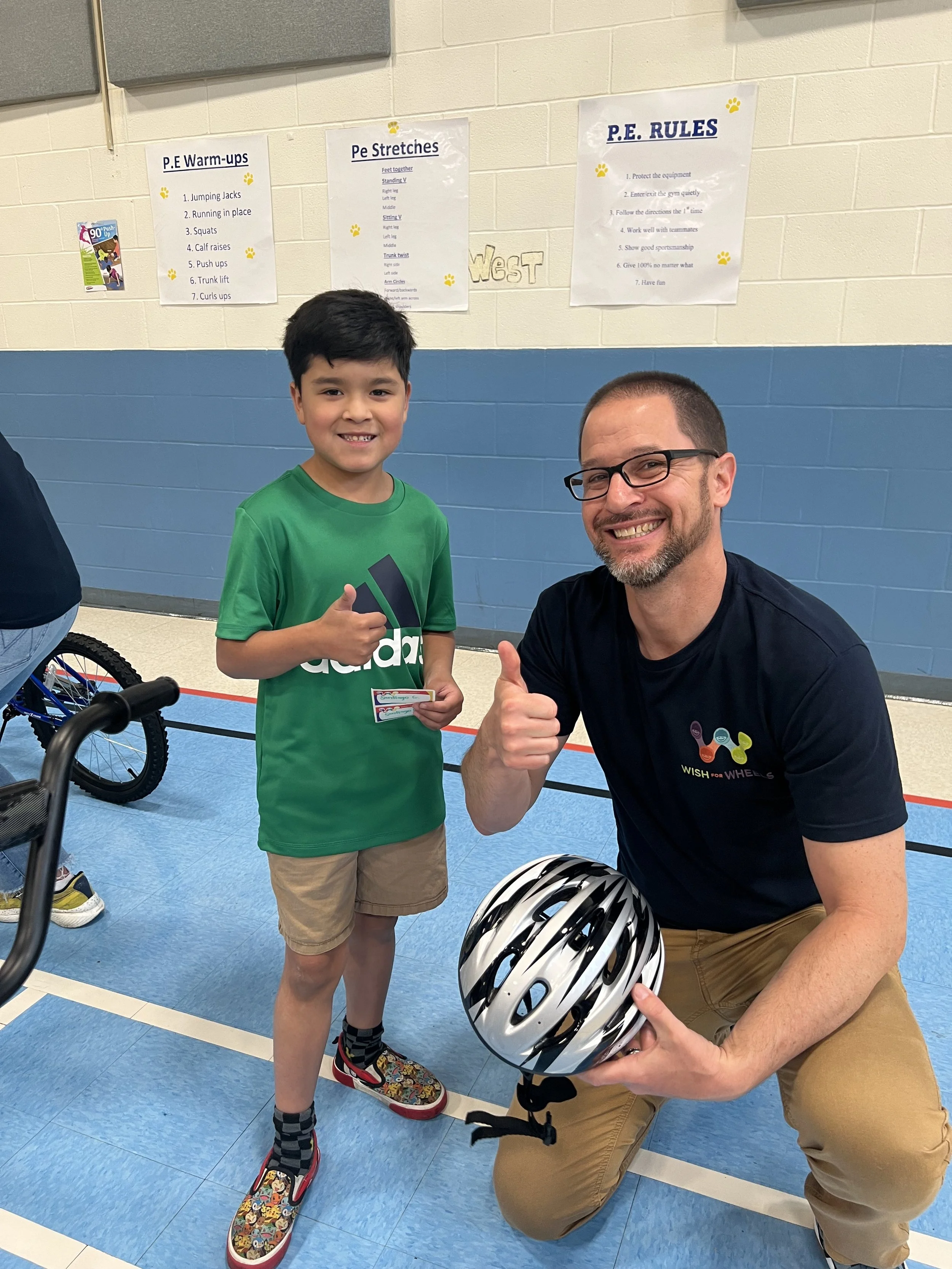
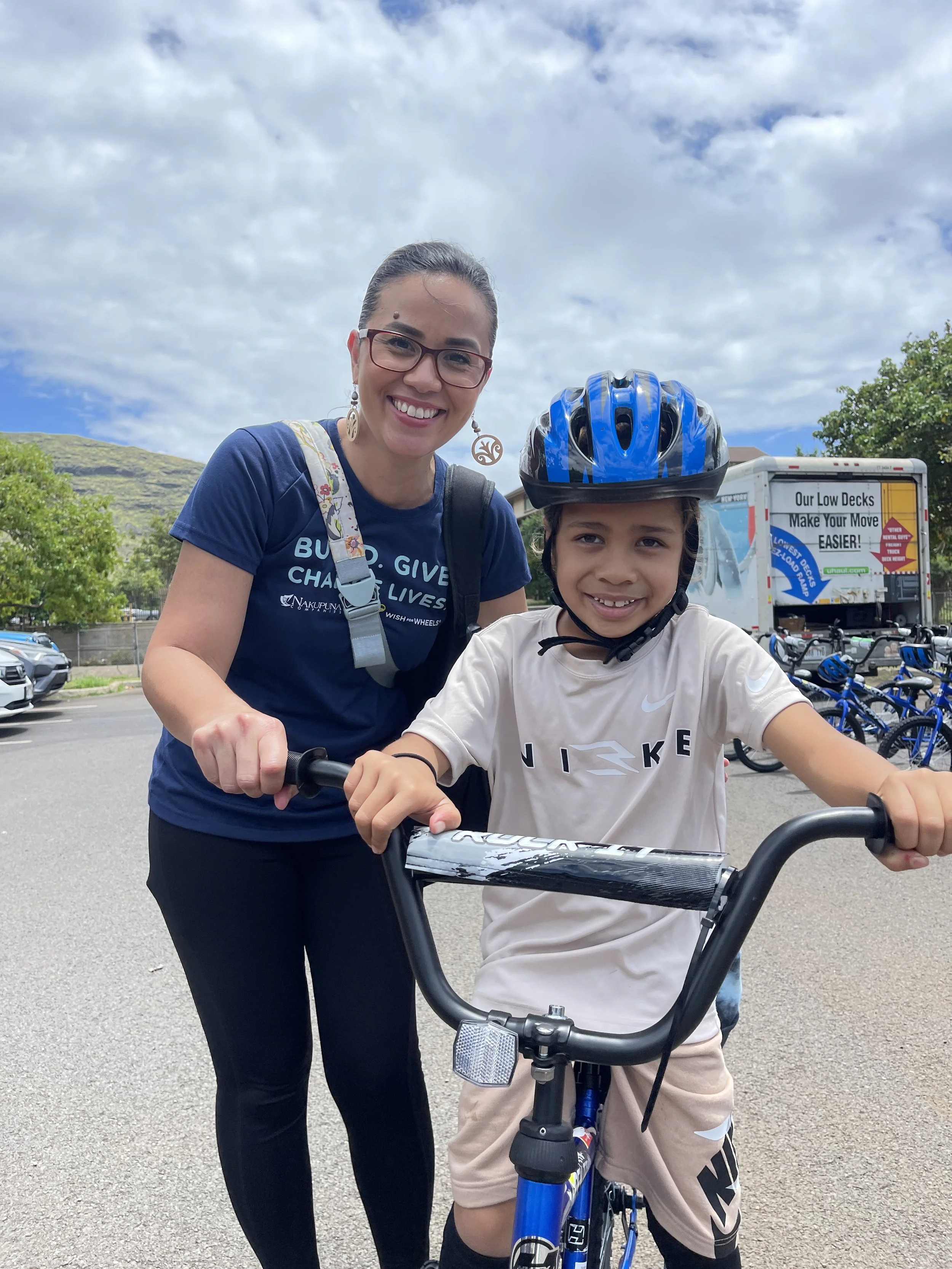
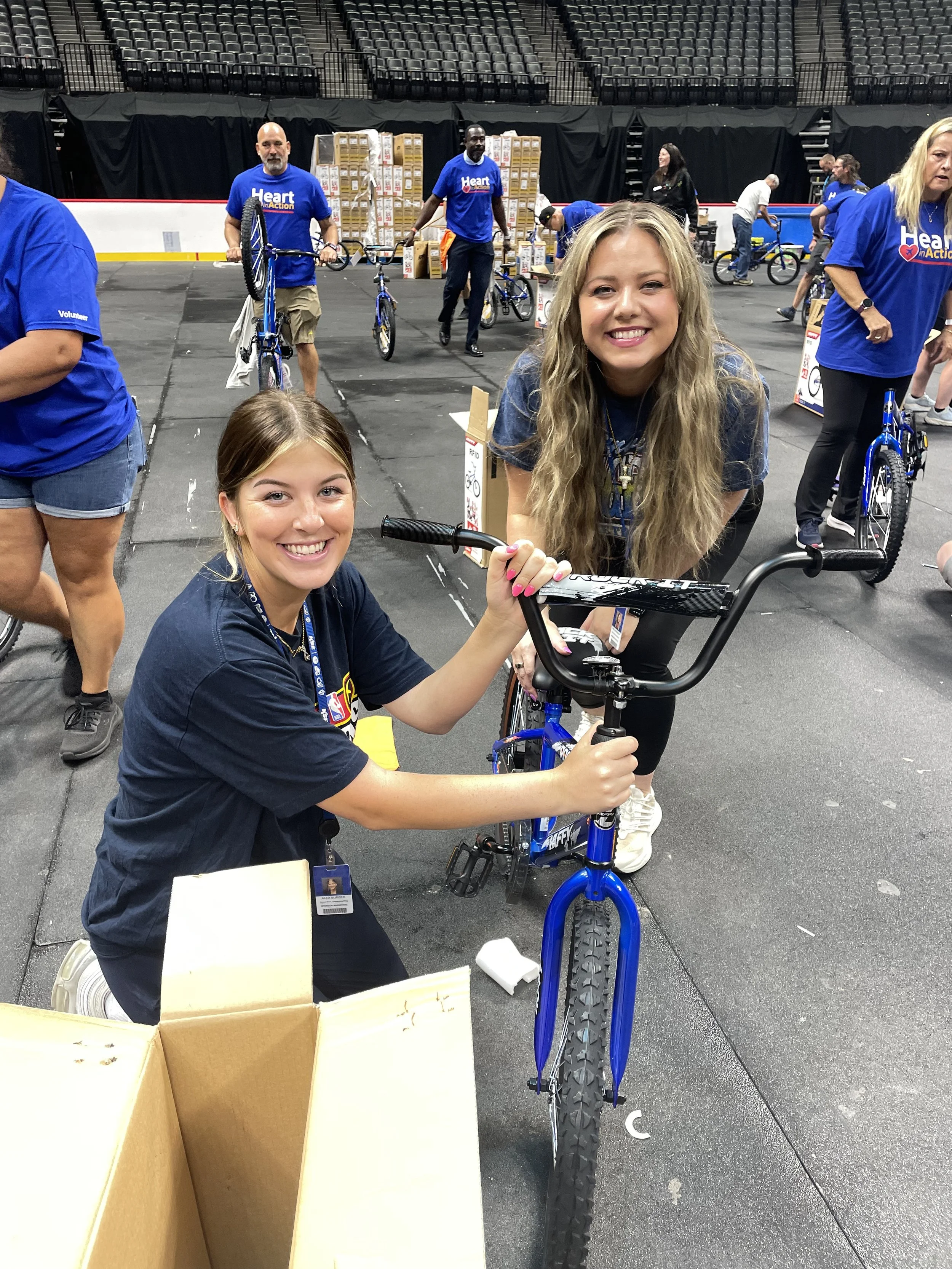
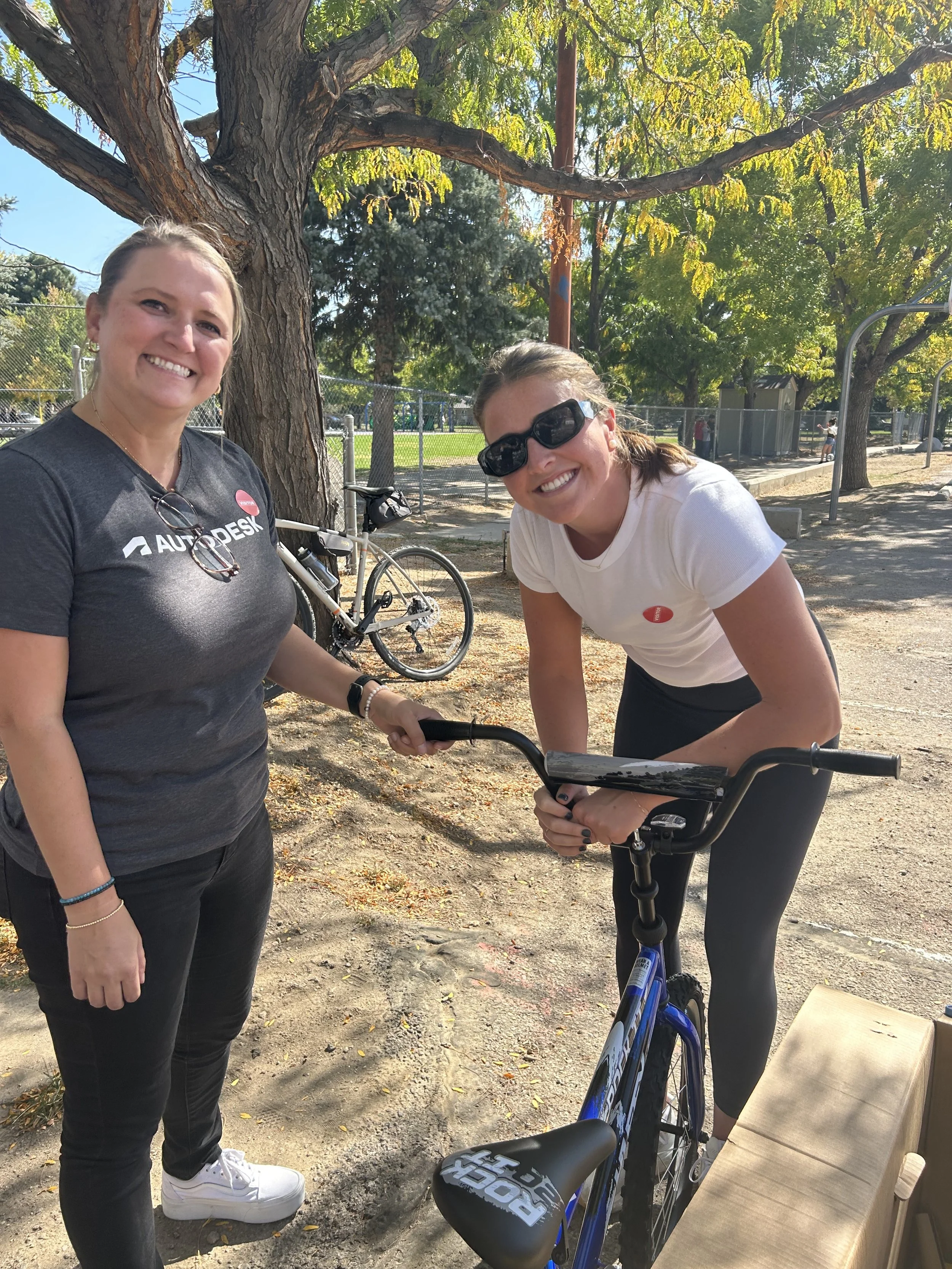
At Wish for Wheels, organizations participate in Build & Give experiences where teams work together to assemble bicycles and helmets for Title I second-grade students.
The experience combines hands-on collaboration with meaningful community impact.
Employees work together toward a shared goal, solving problems, communicating, and celebrating successes as a team. At the same time, they know their efforts will directly benefit children who may not otherwise have access to a new bike.
This creates an emotional connection that traditional team-building activities often struggle to achieve.
The experience becomes more than a team-building event.
It becomes a shared story that employees remember long after the day is over.
How Purpose-Driven Experiences Create Stronger Workplace Connections
Today's employees increasingly want to work for organizations that contribute positively to society. Corporate social responsibility is no longer viewed as an optional initiative. For many employees, it plays an important role in how they evaluate employers and connect with organizational values. Purpose-driven volunteer experiences provide an opportunity to align those values with meaningful action while creating a stronger sense of purpose and engagement.
When employees participate in community-focused activities, they gain a greater sense of pride in their organization because they see firsthand how their company supports local communities and creates positive change. This connection can strengthen both employee engagement and organizational culture, as employees are often more motivated when they believe their organization genuinely cares about making a difference.
Community impact programs also help create a stronger sense of belonging. Employees from different departments, backgrounds, and roles come together around a common purpose, creating shared experiences that strengthen workplace relationships and foster greater unity across the organization.
Organizations that invest in building bikes for kids' programs often find that employees feel more connected to both their colleagues and the communities they serve. These experiences help reinforce organizational values while creating meaningful opportunities for employees to make a positive impact beyond the workplace.
Looking for a team-building experience that strengthens employee engagement while creating meaningful community impact? Discover how a Wish for Wheels Build & Give event can help your team connect around a shared purpose.
Why Organizations Choose Wish for Wheels
Organizations across the country are looking for team-building experiences that create meaningful outcomes for both employees and communities. Wish for Wheels offers a unique approach that combines employee engagement, teamwork, and community impact. Through Build & Give experiences, employees work together to assemble bicycles and helmets for Title I second-grade students, creating an event that is both collaborative and purpose-driven. Participants frequently describe these experiences as some of the most meaningful team-building activities they have taken part in because they can see the direct impact of their efforts on local children and communities.
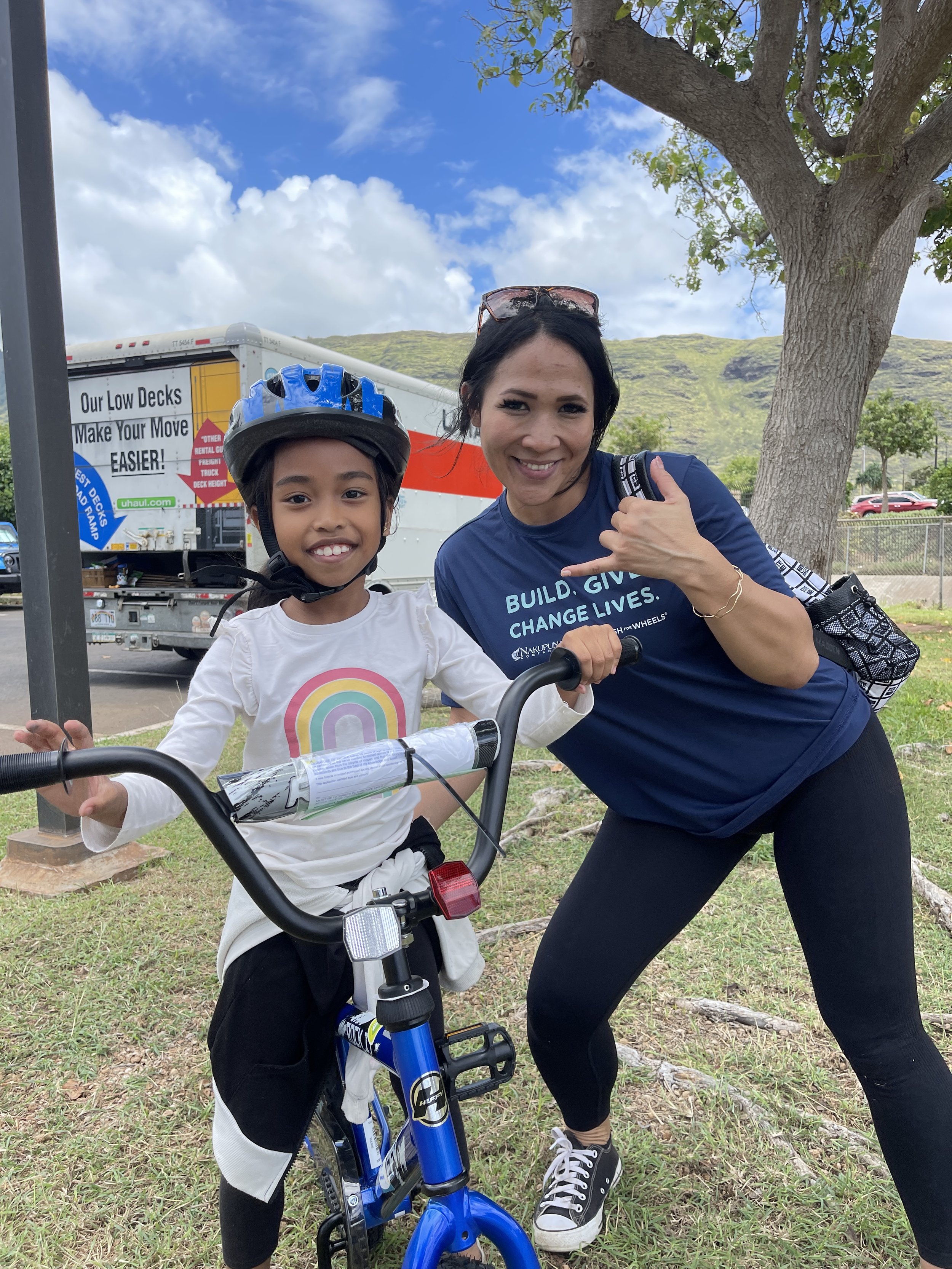
Beyond strengthening teamwork and communication, Build & Give events help organizations bring their values to life through action. Employees build lasting workplace connections while contributing to a cause that supports confidence, independence, mobility, and physical activity for students. The programs can be customized for organizations of different sizes and objectives, making them a flexible option for companies seeking to improve employee engagement, support community impact goals, and create memorable experiences that continue to resonate long after the event concludes.
For companies exploring different formats, bike build team-building events offer a unique combination of employee engagement and community impact. Unlike many traditional activities, participants work toward a meaningful outcome that benefits both their team and the communities they serve.
Measuring the Success of Employee Engagement Initiatives
Improving engagement requires more than simply hosting an event.
Organizations should also evaluate outcomes and identify opportunities for continued improvement.
Several indicators can help measure engagement success:
Employee participation rates
Employee feedback surveys
Team collaboration improvements
Retention trends
Workplace culture assessments
Volunteer program participation
Internal communication metrics
Organizations looking for a deeper framework to evaluate engagement outcomes can also explore metrics related to employee retention, collaboration, workplace culture, and event ROI. For a more detailed breakdown of how to measure team-building effectiveness, learn more about measuring team-building success in our ROI guide.
While no single metric tells the complete story, together they provide valuable insights into employee engagement levels.
Many organizations find that purpose-driven experiences generate positive feedback because employees appreciate opportunities to connect with colleagues while making a meaningful impact.
The strongest results often occur when team-building experiences become part of a broader engagement strategy rather than a one-time activity.
Building a More Engaged Workplace Starts With Purpose
Employee engagement remains one of the most important drivers of organizational success.
While many companies focus on addressing visible symptoms like turnover or productivity challenges, the most effective approach is often to address engagement at its source.
Employees want meaningful work. They want strong relationships. They want opportunities to contribute to something larger than themselves.
Purpose-driven team-building experiences help fulfill these needs by combining collaboration, connection, and community impact.
When employees feel connected to their colleagues and inspired by a shared purpose, motivation naturally follows.
Organizations that invest in meaningful engagement experiences are not simply improving morale. They are building stronger cultures, more resilient teams, and more successful businesses.
The result is a workplace where employees feel motivated, valued, and inspired to contribute their best work every day.
Frequently Asked Questions
What are the hidden costs of employee disengagement?
Hidden costs include reduced productivity, lower morale, communication challenges, decreased innovation, increased stress, and weakened workplace culture. These issues often affect long-term organizational performance.How does team building improve employee motivation?
Team-building experiences create stronger relationships, improve communication, and provide opportunities for employees to work toward shared goals. These experiences help employees feel more connected and engaged.Why are purpose-driven team-building activities more effective?
Purpose-driven activities combine collaboration with meaningful impact. Employees not only strengthen workplace relationships but also contribute to a cause that benefits others, creating deeper engagement.How often should companies organize team-building events?
Many organizations benefit from hosting team-building experiences multiple times throughout the year. Consistency helps reinforce workplace culture and maintain employee engagement.Can community service improve employee engagement?
Yes. Community service programs often strengthen employee morale, create a greater sense of purpose, and help employees feel more connected to their organization.How do Wish for Wheels events support company culture?
Wish for Wheels Build & Give experiences encourage teamwork, communication, and community impact. Employees work together to build bicycles for Title I second-grade students while strengthening workplace relationships.
Ready to Transform Employee Engagement Into Action?
If your organization is looking for a meaningful way to strengthen employee engagement, improve workplace culture, and create lasting community impact, Wish for Wheels can help.
Through our Build & Give experiences, employees work together to assemble bicycles and helmets for Title I second-grade students, creating unforgettable moments for both teams and children.
By combining purpose, collaboration, and community service, these experiences help organizations build stronger connections while making a meaningful difference.
Contact Wish for Wheels today to learn how a Build & Give event can inspire your team and transform engagement into action.
Wish for Wheels transforms the lives of 2nd-grade students in low-income areas through unique employee engagement team-building experiences.
