
Employee Engagement and Corporate Social Responsibility: Why They Go Hand in Hand
Introduction: The Convergence of Engagement and Responsibility

Today, companies are being pulled in two directions: building stronger teams internally and showing real impact externally. Employee engagement and corporate social responsibility are no longer separate conversations, they are increasingly connected.
Today, that separation is disappearing. Employees increasingly want to work for organizations that reflect their values and contribute positively to their communities. At the same time, businesses face growing expectations from customers, partners, and investors to operate responsibly.
When companies connect employee engagement with social impact, the results can be powerful. Employees feel more connected to their work, teams collaborate around a shared purpose, and organizations strengthen both culture and community relationships.
Understanding how engagement and corporate social responsibility reinforce each other helps leaders build workplaces where performance and purpose grow together.
Many organizations are now exploring ways to combine employee engagement with meaningful social impact. One approach gaining popularity is purpose-driven team-building programs that have employees collaborate on service activities that benefit their communities. These experiences help companies to strengthen teamwork while advancing corporate social responsibility goals.
Defining Employee Engagement in the Modern Workplace
Employee engagement is not just about job satisfaction. It’s about whether employees feel connected to what they’re doing and why it matters. When people feel that connection, they contribute more, collaborate better, and stay longer.
Engaged employees demonstrate:
Discretionary effort beyond minimum requirements
Alignment with company mission and values
Willingness to advocate for the organization
Stronger collaboration with colleagues
Research consistently shows that higher employee engagement correlates with improved productivity, lower turnover, and stronger financial performance.
Many organizations attempt to increase engagement through short-term employee engagement initiatives such as social events, recognition programs, or incentive bonuses. While these approaches can temporarily boost morale, they often fail to create sustained alignment.
True engagement is rooted in meaning. Employees are more committed when they believe their work contributes to something larger than themselves. This is where corporate social responsibility becomes relevant.
Understanding Corporate Social Responsibility Beyond Compliance
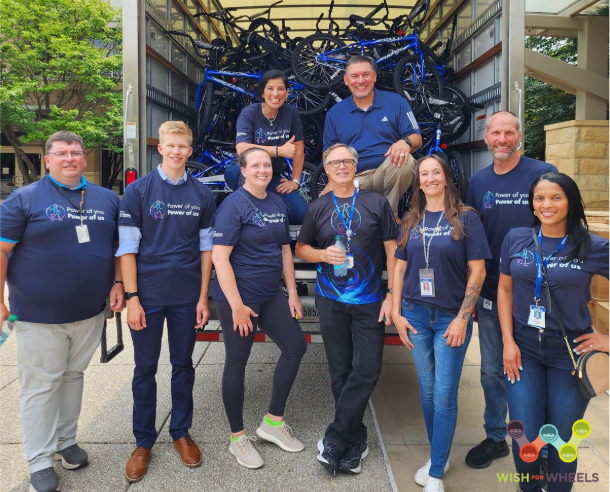
Corporate social responsibility has changed significantly in recent years. What once focused mainly on charitable donations or public relations has evolved into a broader strategy that includes ethical leadership, environmental responsibility, and long-term community partnerships.
Today, CSR is far more comprehensive. It has evolved beyond donations or one-off initiatives. Today, it’s about how companies operate, how they support communities, and how those values show up in everyday decisions.. It is a core component of business strategy.
Modern CSR frameworks emphasize integration rather than isolation. Instead of operating as a separate department, corporate social responsibility is embedded into operations, leadership decision-making, and corporate culture.
An emerging focus within this evolution is CSR employee engagement. Rather than limiting CSR to executive-level commitments, organizations are involving employees directly in responsibility efforts. Participation transforms CSR from a policy into a lived experience. When companies actively support their communities, employees often feel a stronger sense of pride in where they work. That pride can lead to better collaboration, stronger loyalty, and greater motivation to contribute to the organization’s success.
The Strategic Link Between Engagement and CSR
The connection between employee engagement and CSR becomes clear when employees see their work contributing to something meaningful.
Several mechanisms explain this link:
Shared Values
When a company demonstrates authentic CSR, employees are more likely to perceive alignment between personal and organizational values. This alignment strengthens trust and loyalty.
Meaningful Contribution
Engagement increases when employees feel their efforts create positive outcomes beyond profit. CSR initiatives provide tangible examples of impact.
Organizational Pride
Employees often report greater pride working for companies known for responsible practices. Pride strengthens advocacy and retention.
Trust and Transparency
Ethical and responsible behavior builds internal trust. Trust is a core component of employee engagement. These factors illustrate why CSR is not separate from engagement strategy. It is a driver of engagement.
How CSR Drives Meaningful Employee Engagement
CSR influences employee engagement in two key ways: how employees connect with the company’s values, and how actively they participate in those initiatives.

Symbolic alignment occurs when employees feel proud of their company’s responsible actions. Participatory involvement occurs when employees actively contribute to those efforts.
When employees actively take part in CSR initiatives, the impact is much stronger. Instead of just hearing about company efforts, they experience them firsthand.This is where philanthropic team-building becomes relevant. When employees participate in service-based collaboration, they experience responsibility firsthand.
Charity team-building activities that require teamwork, accountability, and measurable outcomes allow employees to see the direct results of their contributions. This strengthens CSR (corporate social responsibility) employee engagement by transforming abstract responsibility into concrete action.
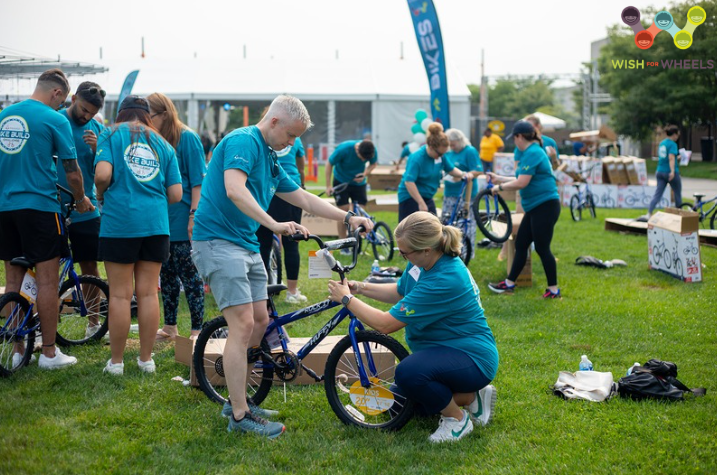
For example, structured service experiences such as charity bike builds in cities like Houston and Denver demonstrate how collaborative impact models can scale across regions. Employees participate directly, strengthening both teamwork and social contribution.
When employees participate, they feel a stronger sense of purpose. That sense of purpose increases commitment and that’s what drives better performance.
The Role of Leadership in Integrating CSR and Engagement
Leadership plays a critical role in connecting employee engagement with corporate social responsibility. CSR only works when leadership treats it as part of the company’s identity and not just an initiative.
When leaders treat CSR as central to organizational identity, employees are more likely to perceive authenticity. Authenticity is essential for engagement.
Conversely, when responsibility initiatives appear disconnected from business operations, employees may become skeptical. Engagement suffers when CSR lacks credibility.
Leadership alignment ensures that CSR and engagement reinforce each other rather than operate independently.
Corporate Team-Building as a Bridge Between Culture and Impact

Corporate team-building represents a powerful opportunity to integrate engagement and responsibility. Traditional team-building events often focus primarily on recreation or competition. While these activities can improve morale temporarily, they may not reinforce long-term purpose. Many companies are now shifting from traditional team-building activities toward purpose-driven team-building experiences that combine collaboration with community impact.
More companies are moving away from traditional team-building activities and toward experiences that combine collaboration with real impact.
Philanthropic team-building initiatives, such as structured service projects, require employees to:
Collaborate across departments
Solve problems together.
Deliver measurable outcomes
Reflect on shared achievement
These experiences naturally strengthen teamwork while contributing to something meaningful while reinforcing corporate social responsibility objectives.
Programs like the Wish for Wheels Bike Build & Give in cities like Houston and Denver show how these experiences can scale while maintaining meaningful impact. When team-building supports social good, it becomes more than entertainment and becomes part of the company’s culture.
Measuring the Impact of CSR on Engagement Metrics
Organizations increasingly rely on data to evaluate strategy. Several indicators can measure the relationship between corporate social responsibility and employee engagement.
Engagement Surveys
Questions that assess pride, alignment with values, and belief in a company's mission often correlate with CSR involvement.
Retention Rates
Companies with strong CSR employee engagement frequently experience lower turnover, particularly among younger employees.
Productivity and Collaboration
Engaged teams demonstrate stronger cross-functional collaboration and higher discretionary effort.
Participation Metrics
Tracking involvement in employee engagement initiatives tied to CSR offers details about cultural integration.
Measuring these factors allows organizations to evaluate whether responsibility initiatives are influencing engagement meaningfully.
Common Mistakes Companies Make
Some companies struggle to connect CSR and engagement effectively. Common mistakes include:
Treating CSR as marketing instead of culture
Not involving employees directly
Relying on one-off events instead of consistent efforts
Not measuring impact
The Future of Employee Engagement and CSR Integration

Today’s workforce expects more than just a paycheck. Employees want to feel that their work contributes to something meaningful and that expectation is only growing.
As a result, the integration between employee engagement and corporate social responsibility is likely to deepen. Organizations will move beyond isolated initiatives toward comprehensive strategies that embed responsibility into culture.
Philanthropic team-building models may expand as companies seek experiential methods of aligning engagement and impact. Structured collaboration that produces measurable social outcomes offers a sustainable approach to engagement.
The companies that succeed in the coming decade will likely be those that treat engagement and responsibility as interdependent forces.
As organizations look for practical ways to connect employee engagement with corporate social responsibility, many are turning to purpose-driven team-building programs that allow employees to participate directly in community impact.
How Wish for Wheels Connects Employee Engagement and CSR
Wish for Wheels helps organizations transform employee engagement into meaningful community impact through its Wish for Wheels Bike-Build & Give program. These programs bring teamwork and social impact together in a single experience.
Companies across the United States partner with Wish for Wheels because the organization brings both mission expertise and operational experience to corporate engagement initiatives. Events are designed to align with company culture, leadership development goals, and corporate social responsibility priorities.
For many organizations, these experiences take place during annual retreats, leadership summits, or company-wide engagement days. Teams collaborate to assemble bicycles that are then delivered to children in local communities, creating a powerful moment where employees can see the direct result of their efforts.
A Real-World Example
For example, a mid-sized technology company incorporated a Wish for Wheels bike build experience into its annual leadership retreat. Employees worked in teams to assemble bicycles while participating in guided collaboration activities. At the end of the event, the bikes were delivered to children from a local partner organization.
Participants reported stronger team connection and a deeper sense of purpose because their teamwork produced a real benefit for the community.
Why Organizations Partner With Wish for Wheels
National FootprintWish for Wheels facilitates corporate Bike-Build & Give programs across multiple states and regions, allowing organizations with distributed teams to host meaningful engagement events in different locations.
Facilitation ExpertiseEach event is guided by experienced facilitators who coordinate logistics, manage team collaboration, and ensure the experience runs smoothly from introduction to final bike delivery.
Event ScalabilityThe Bike Build & Giveprograms can be adapted to different event formats, including leadership retreats, corporate conferences, and large employee engagement initiatives.
Direct Community DeliveryWhenever possible, employees participate in the bicycle presentation to children, allowing teams to witness the immediate impact of their collaboration.
Conclusion: Aligning Purpose With Performance
Employee engagement and corporate social responsibility are no longer separate priorities. They reinforce one another in meaningful ways.
When organizations embed responsibility into culture, employees experience greater alignment and pride. When employees participate in CSR efforts directly, engagement strengthens.
By integrating structured corporate team-building, participatory responsibility, and measurable employee engagement initiatives, companies can create environments where purpose and performance coexist.
When companies connect engagement with real impact, the results are stronger teams, better culture, and more meaningful work.
Frequently Asked Questions
How does Corporate social responsibility influence Employee engagement?
Corporate social responsibility strengthens employee engagement by aligning company values with employee beliefs. When employees see authentic community impact, they feel greater pride and commitment.What is CSR employee engagement?
CSR employee engagement refers to employees actively participating in corporate social responsibility initiatives rather than simply observing them.Are employee engagement initiatives more effective when tied to CSR?
Yes. Employee engagement initiatives connected to social impact tend to produce stronger and more sustainable engagement than incentive based programs alone.What role does corporate team-building play in CSR strategy?
Corporate team-building can integrate collaboration with social impact, reinforcing both teamwork and corporate social responsibility goals.How do charity team-building activities support engagement?
Charity team-building activities create shared purpose and visible outcomes, which can increase employee engagement and team cohesion.How can companies measure the impact of CSR on engagement?
Organizations can track engagement surveys, retention rates, and participation in CSR employee engagement initiatives to assess impact.Why is philanthropic team-building becoming more popular?
Philanthropic team-building is growing because it combines collaboration with measurable social good, aligning purpose with performance.
